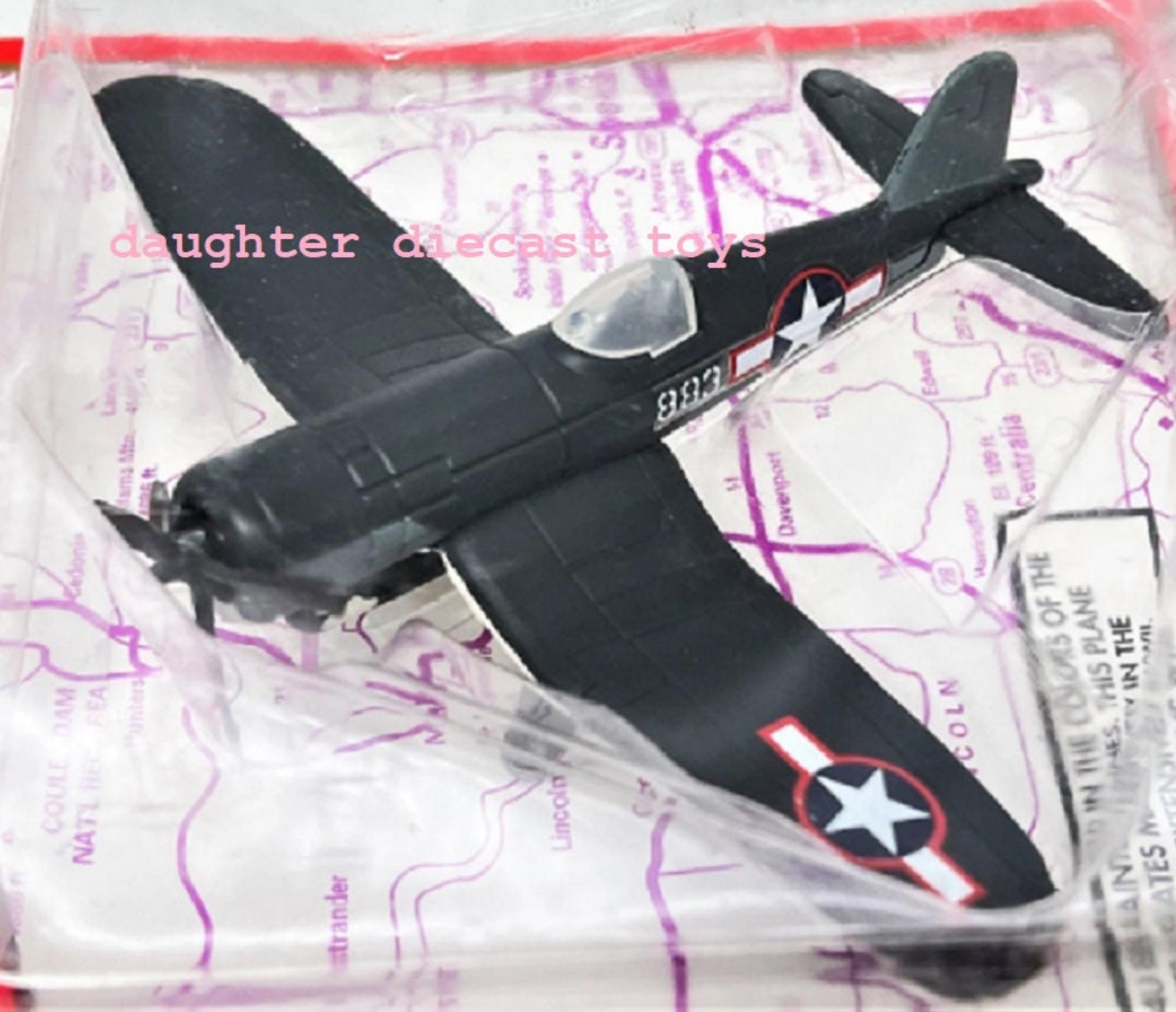

Vintage 1982 Marines F4U CORSAIR Fighter PLANE Diecast Metal Airplane Mint Condition/Factory Sealed! Zlymex Zee Toys Rare!
$ 45.00

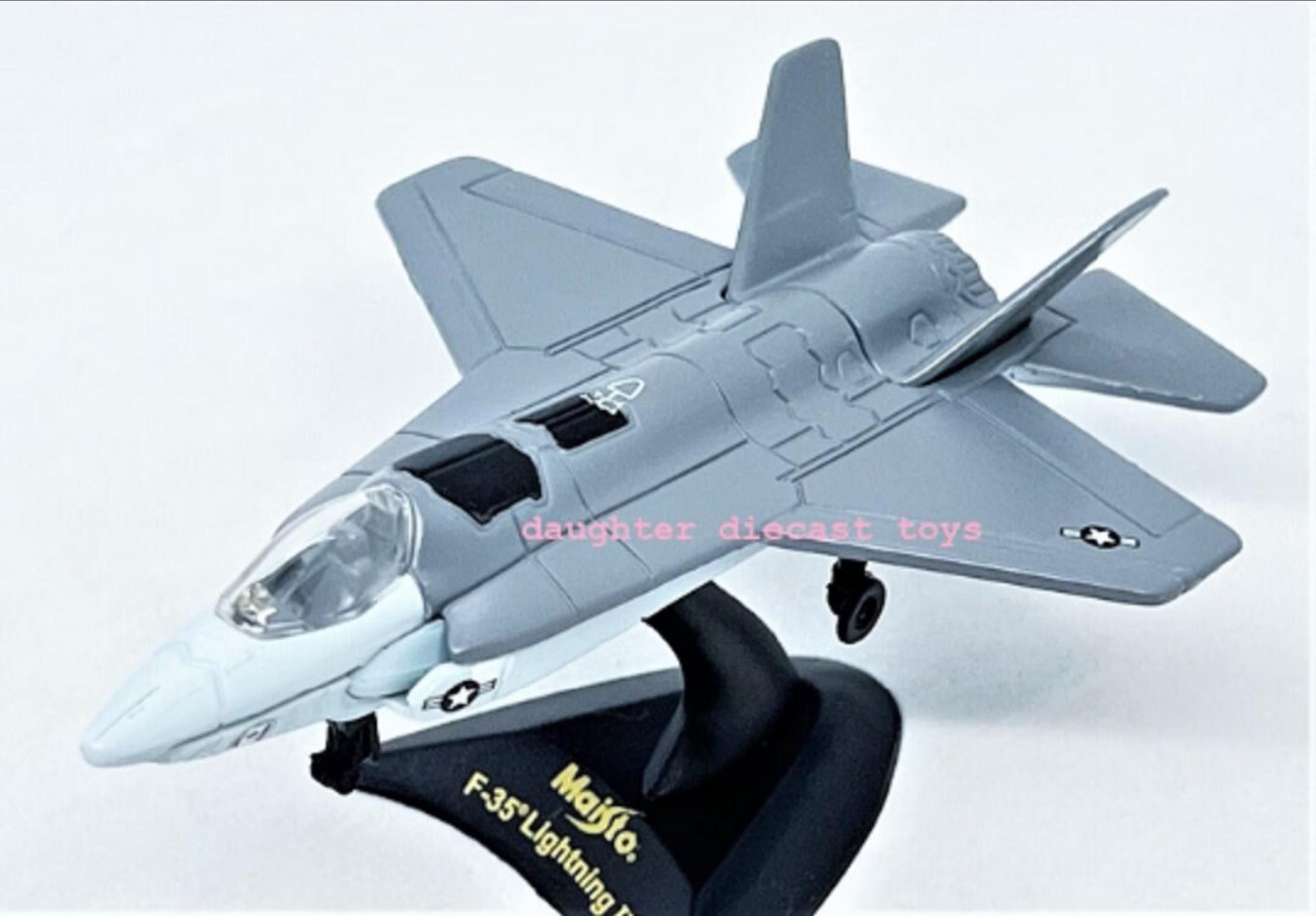
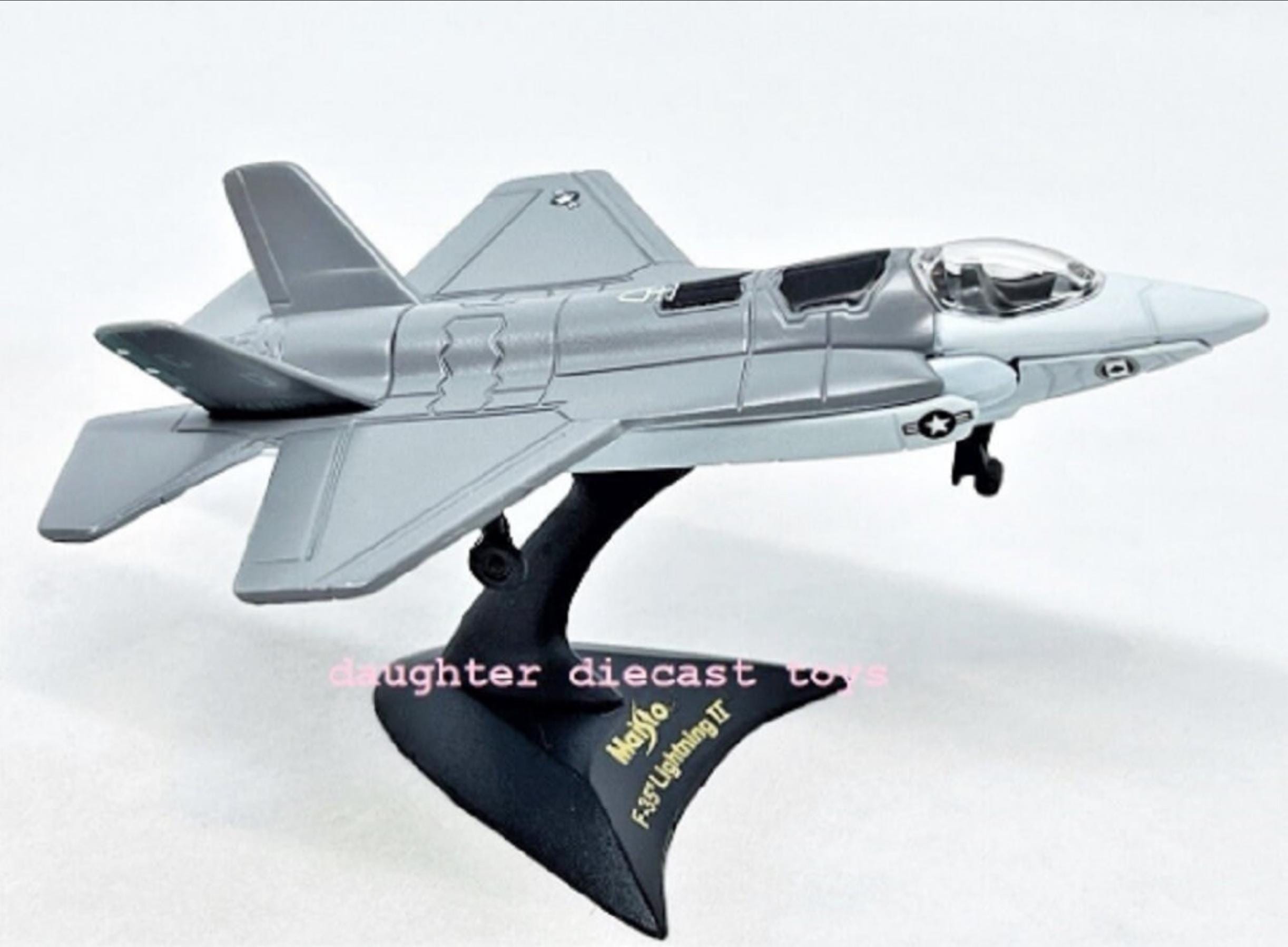
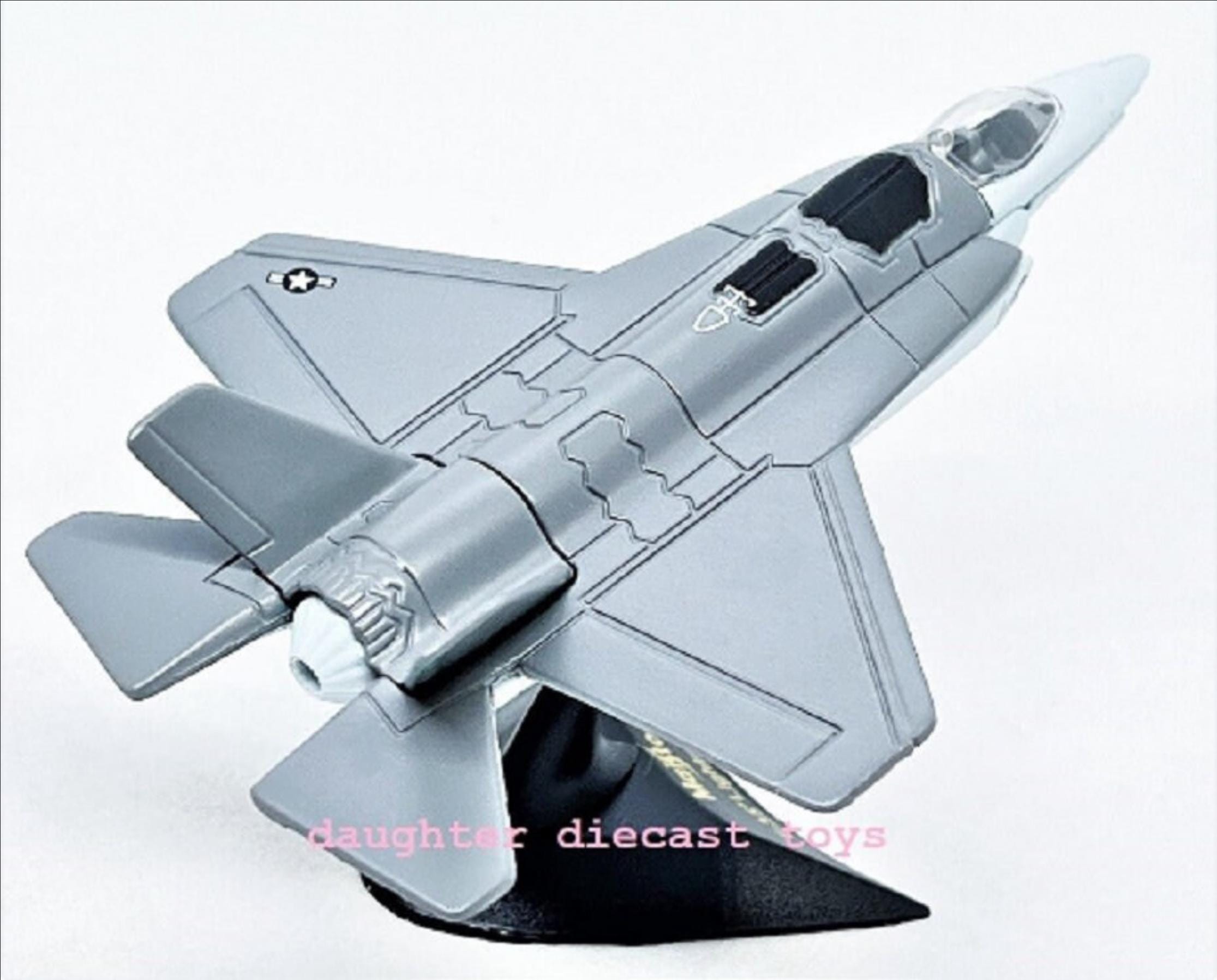
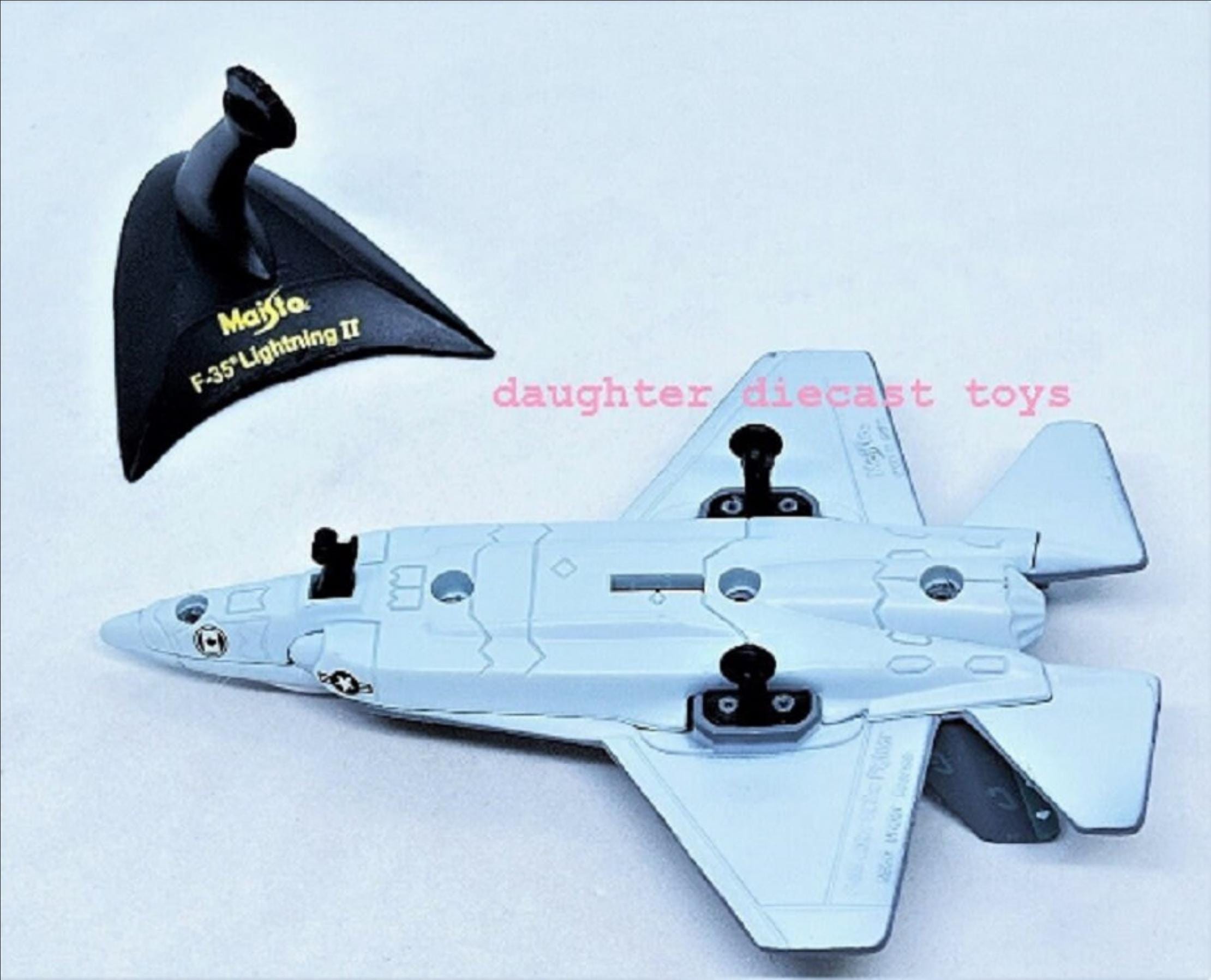
Awesome! U.S.A.F. F-35 LIGHTNING II STEALTH COMBAT JET AIRPLANE. Adult collector
model, weighty, constructed of diecast metal. Intricately-detailed, made by Maisto. Desktop display model-comes with easy to set up stand (displays great with on stand or off). Scale=1/72 prox, measures: 4 3/4"L x 3 1/4"W x 3"H (mounted). Pristine condition model-never previously handled or displayed (until today for our photos). Ships in collectors bag with stand. The perfect gift for toy aircraft collectors, veterans, and fans of aviation history (like me)! We ship fast & safe worldwide every day. Read Aircraft Bio below....
•
•
•FOR A LIMITED TIME
•
•
•Purchases totaling $35 and above qualify for FREE shipping to USA! Add more items to your Etsy shopping cart to save $$$.NOTE: My dad owned a Diecast toy store for 30 years. I inherited the store inventory when he passed away many years ago. I am just now, beginning to sell the mint condition vintage models. All are store-inventory is new-old-stock, models have never been "played with". Please visit often-as I am adding more cool stuff every day!AIRCRAFT BIO:The Lockheed Martin F-35 Lightning II is an American family of single-seat, single-engine, all-weather stealth multirole combat aircraft that is intended to perform both air superiority and strike missions. It is also able to provide electronic warfare and intelligence, surveillance, and reconnaissance capabilities. Lockheed Martin is the prime F-35 contractor, with principal partners Northrop Grumman and BAE Systems. The aircraft has three main variants: the conventional takeoff and landing (CTOL) F-35A, the short take-off and vertical-landing (STOVL) F-35B, and the carrier-based (CV/CATOBAR) F-35C.The aircraft descends from the Lockheed Martin X-35, which in 2001 beat the Boeing X-32 to win the Joint Strike Fighter (JSF) program. Its development is principally funded by the United States, with additional funding from program partner countries from the North Atlantic Treaty Organization (NATO) and close U.S. allies, including the United Kingdom, Australia, Canada, Italy, Norway, Denmark, the Netherlands, and formerly Turkey.[5][6][7] Several other countries have also ordered, or are considering ordering, the aircraft. The program has drawn much scrutiny and criticism for its unprecedented size, complexity, ballooning costs, and much-delayed deliveries.[8][N 1] The acquisition strategy of concurrent production of the aircraft while it was still in development and testing led to expensive design changes and retrofits.[10][11]
model, weighty, constructed of diecast metal. Intricately-detailed, made by Maisto. Desktop display model-comes with easy to set up stand (displays great with on stand or off). Scale=1/72 prox, measures: 4 3/4"L x 3 1/4"W x 3"H (mounted). Pristine condition model-never previously handled or displayed (until today for our photos). Ships in collectors bag with stand. The perfect gift for toy aircraft collectors, veterans, and fans of aviation history (like me)! We ship fast & safe worldwide every day. Read Aircraft Bio below....
•
•
•FOR A LIMITED TIME
•
•
•Purchases totaling $35 and above qualify for FREE shipping to USA! Add more items to your Etsy shopping cart to save $$$.NOTE: My dad owned a Diecast toy store for 30 years. I inherited the store inventory when he passed away many years ago. I am just now, beginning to sell the mint condition vintage models. All are store-inventory is new-old-stock, models have never been "played with". Please visit often-as I am adding more cool stuff every day!AIRCRAFT BIO:The Lockheed Martin F-35 Lightning II is an American family of single-seat, single-engine, all-weather stealth multirole combat aircraft that is intended to perform both air superiority and strike missions. It is also able to provide electronic warfare and intelligence, surveillance, and reconnaissance capabilities. Lockheed Martin is the prime F-35 contractor, with principal partners Northrop Grumman and BAE Systems. The aircraft has three main variants: the conventional takeoff and landing (CTOL) F-35A, the short take-off and vertical-landing (STOVL) F-35B, and the carrier-based (CV/CATOBAR) F-35C.The aircraft descends from the Lockheed Martin X-35, which in 2001 beat the Boeing X-32 to win the Joint Strike Fighter (JSF) program. Its development is principally funded by the United States, with additional funding from program partner countries from the North Atlantic Treaty Organization (NATO) and close U.S. allies, including the United Kingdom, Australia, Canada, Italy, Norway, Denmark, the Netherlands, and formerly Turkey.[5][6][7] Several other countries have also ordered, or are considering ordering, the aircraft. The program has drawn much scrutiny and criticism for its unprecedented size, complexity, ballooning costs, and much-delayed deliveries.[8][N 1] The acquisition strategy of concurrent production of the aircraft while it was still in development and testing led to expensive design changes and retrofits.[10][11]
Other Products