
AIR FORCE ONE 747 Presidential Airplane Jet - Diecast Metal Airplane Mint Condition/Factory Sealed! Road Champs Toys - Great Gift!
$ 34.99

AIR FORCE ONE 747 Presidential Airplane Jet - Diecast Metal Airplane Mint
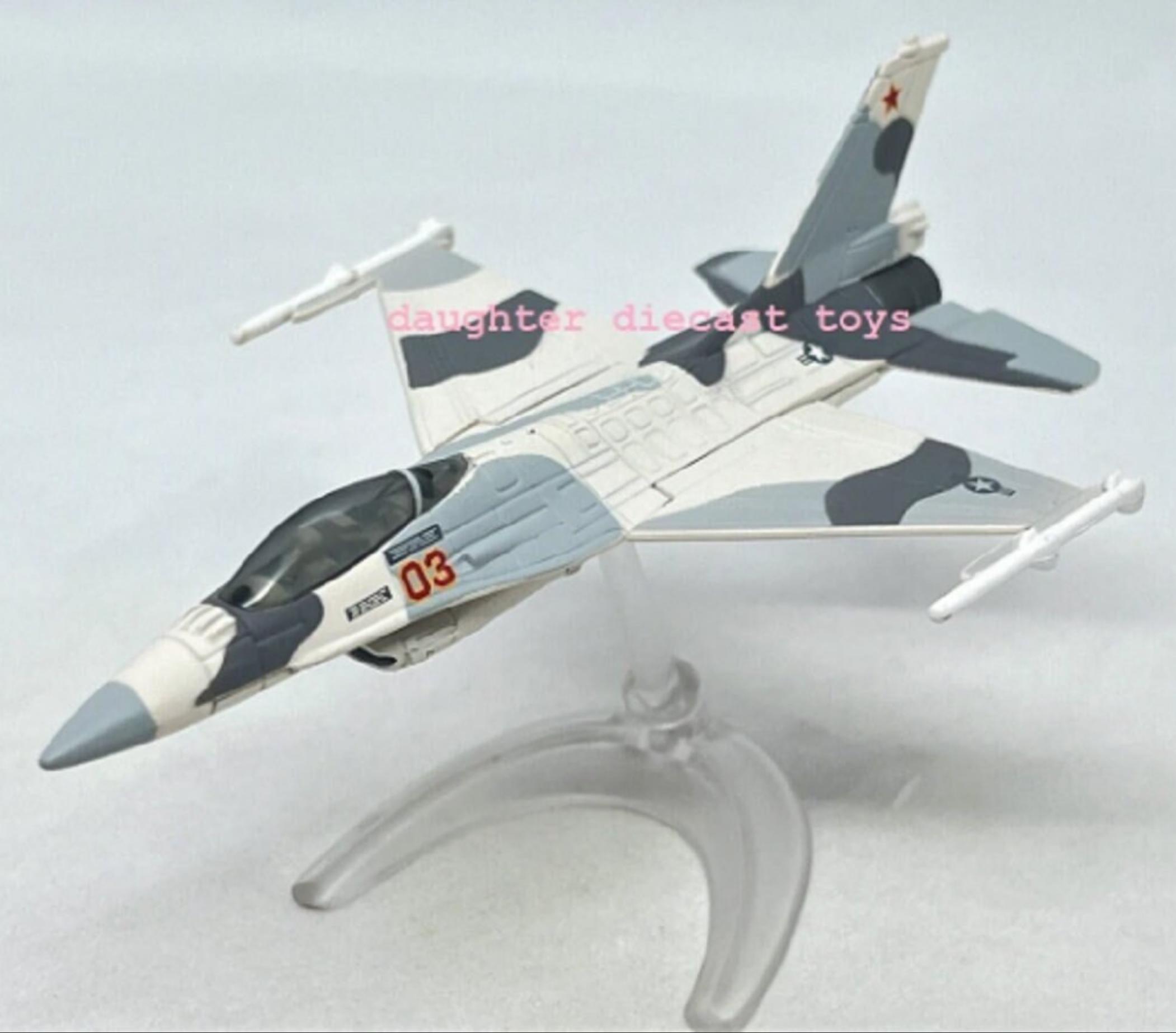
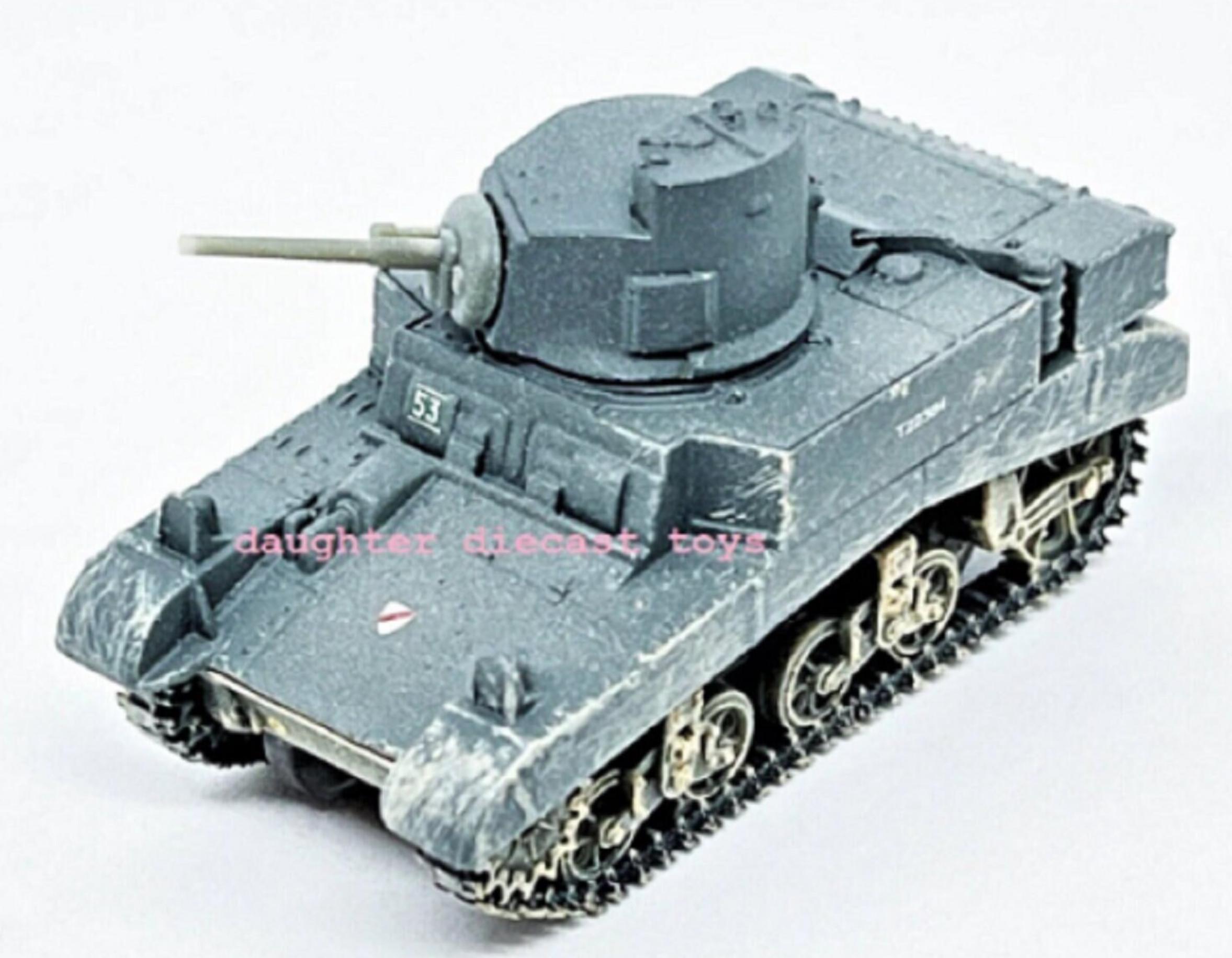
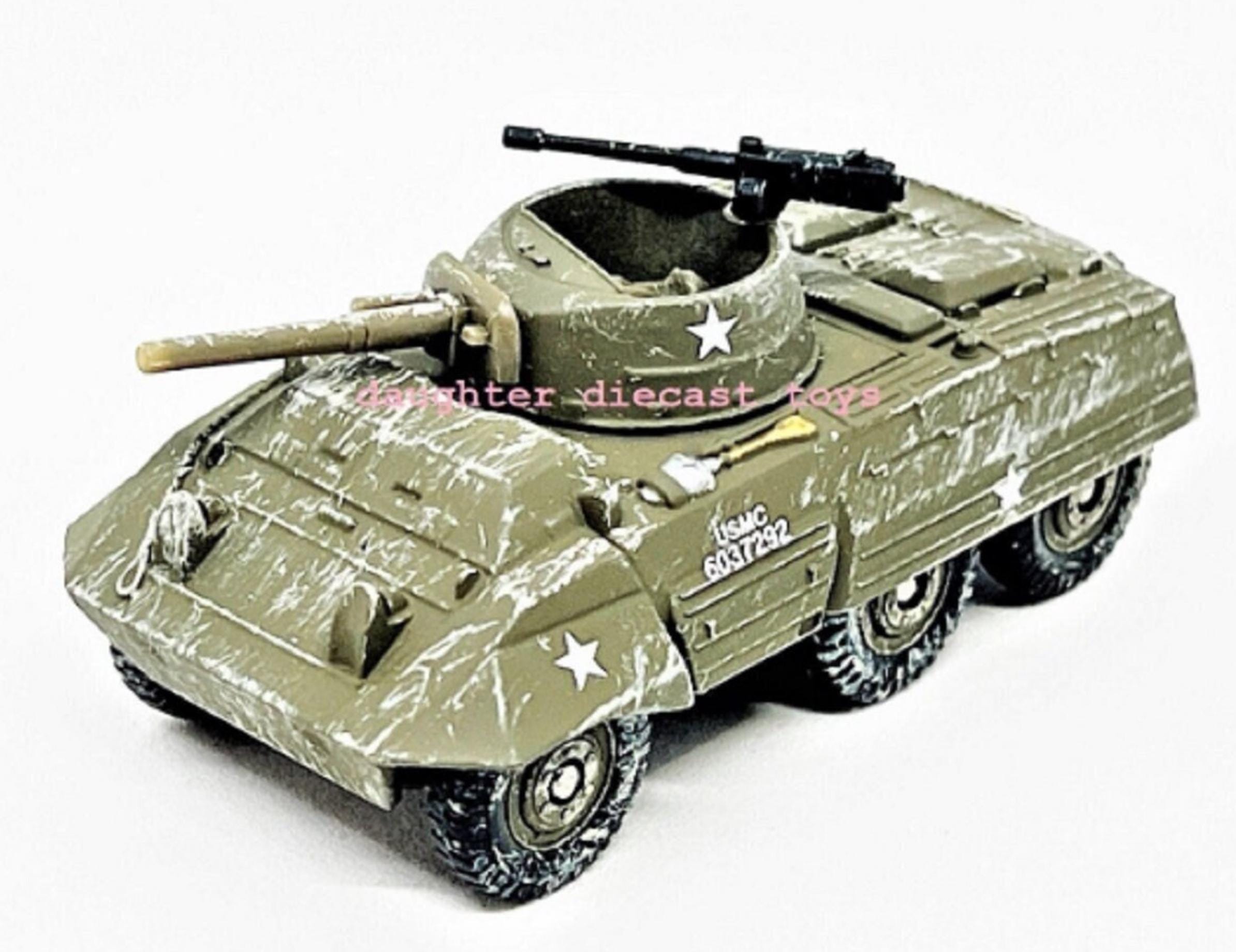
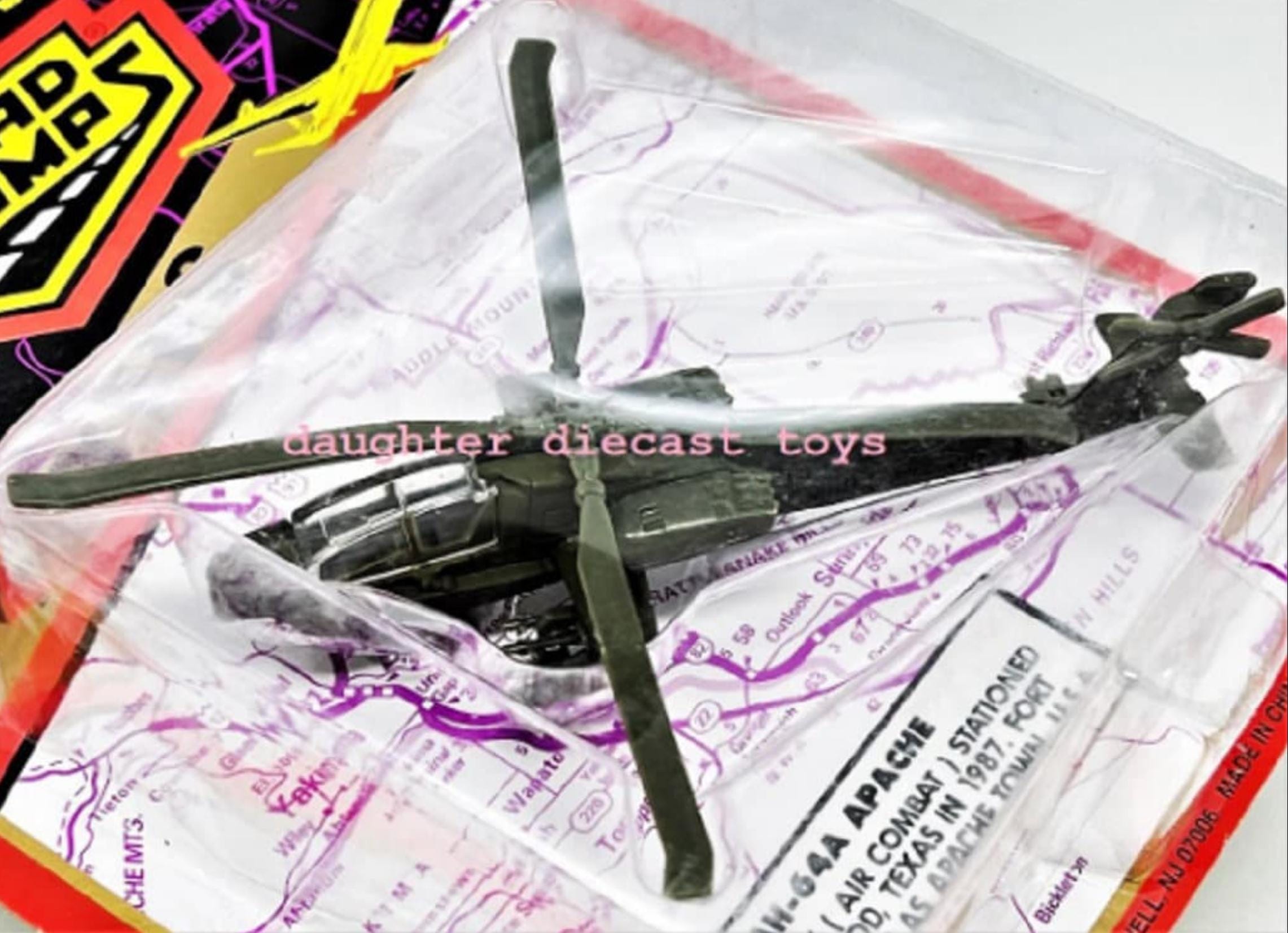
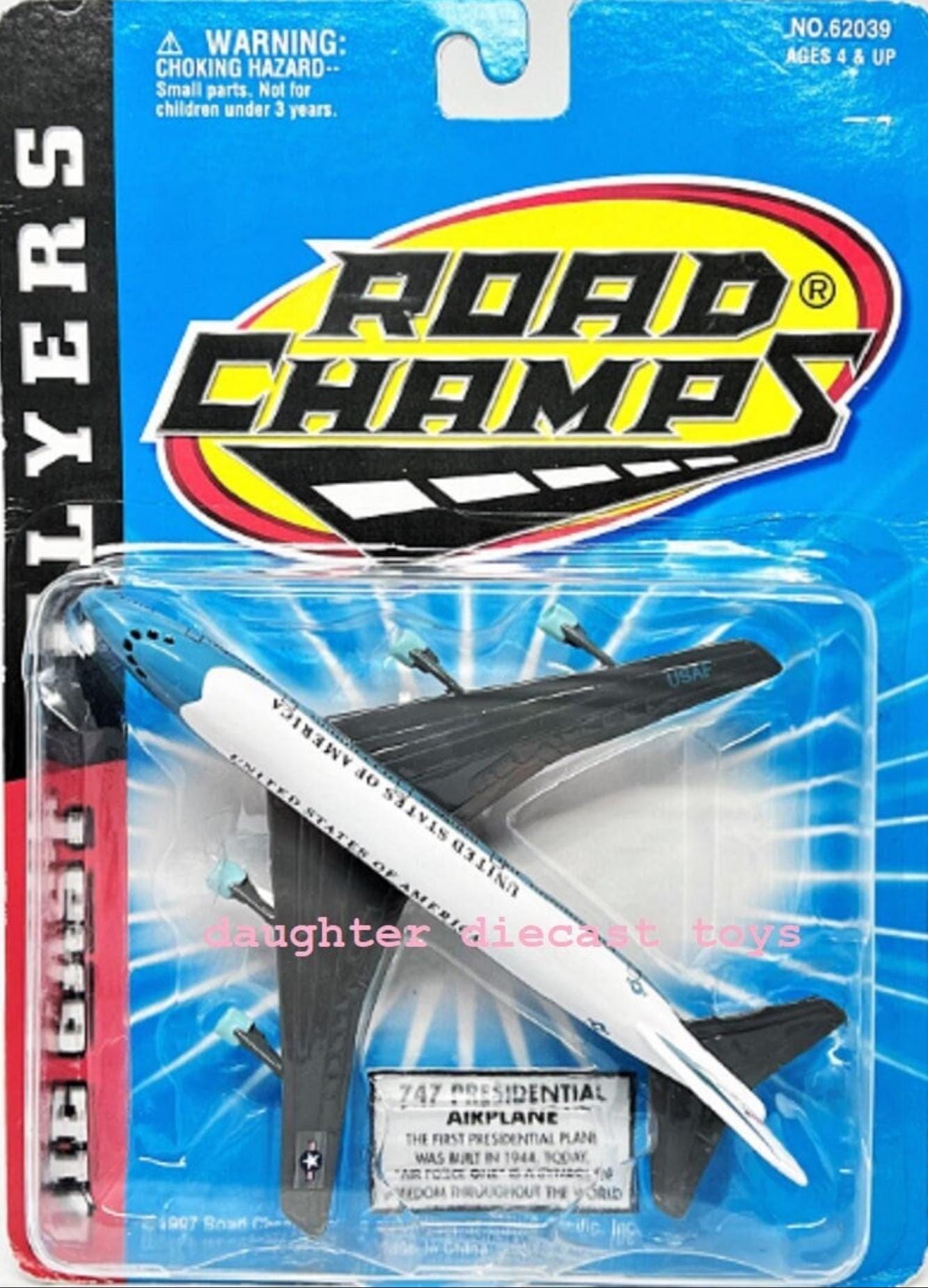
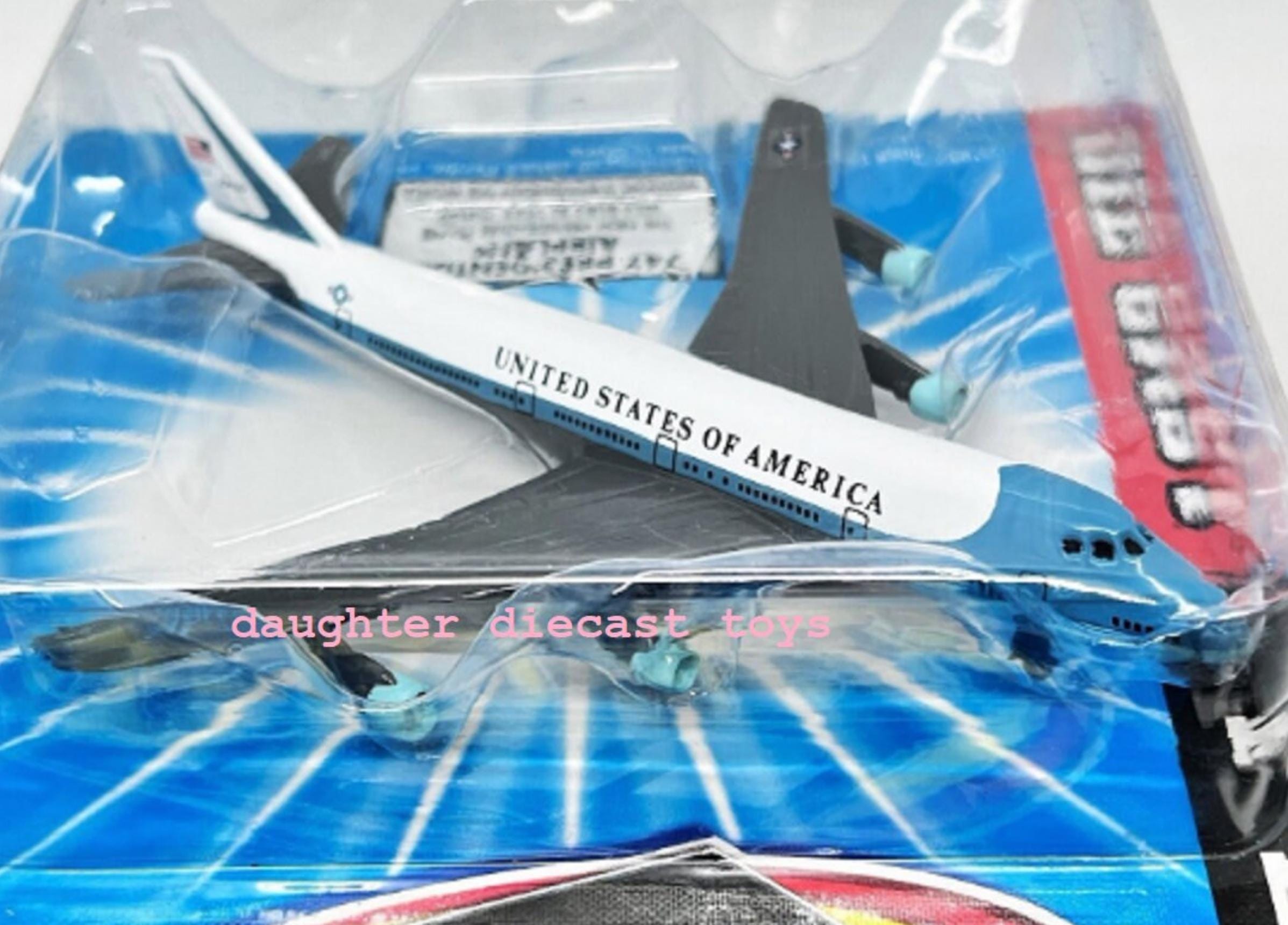
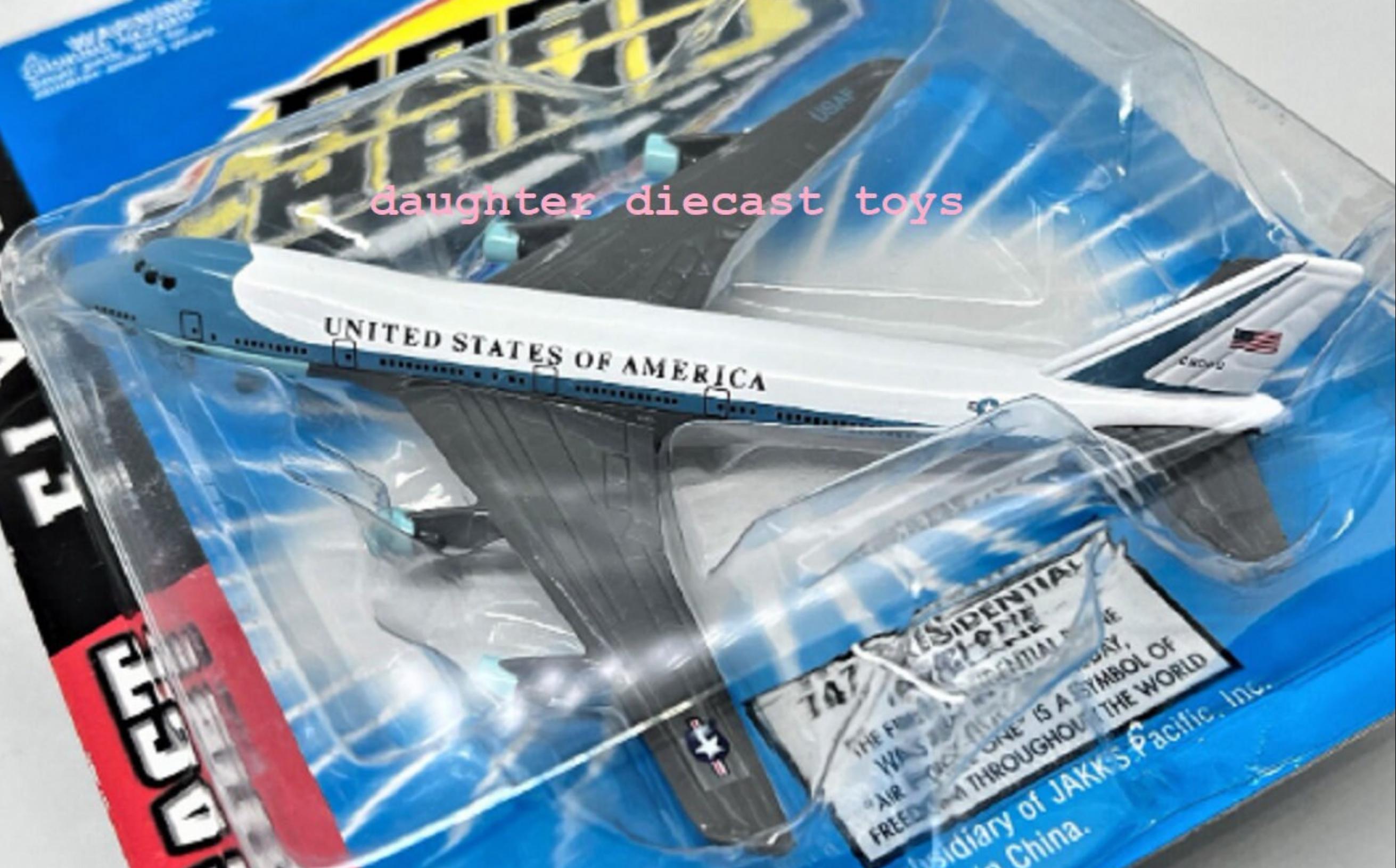
Condition/Factory Sealed! Road Champs Toys - Great Gift!Fantastic! AIR FORCE ONE 747 PRESIDENTIAL AIRPLANE JET. Made by Road Champs. Constructed of die cast metal. Highly sought-after, hard to find vintage model! Nice size...measures 6"L x 5"W x 1 1/2 "H. Pristine/mint condition. Never removed from its factory-sealed card. Perfect gift for Road Champs, Military aircraft, and vintage toy collectors! We ship fast & safe worldwide every day! See Aircraft bio below:Note: My dad owned a Diecast toy store for 30 years. I inherited the store inventory when he passed away several years ago. I am (just now) able to bring myself to begin selling his cars-so they can be shared with the world. All pristine and mint condition vintage models will (eventually) be listed here on ETSY. All the inventory is NEW (vintage) merchandise-which was intended for retail sale. Please know-our diecast toys have NEVER been "played-with” we do not sell used, or damaged toys.
•
•
•FOR A LIMITED TIME
•
•
•Purchases totaling $35 and above qualify for FREE shipping to USA! Add more items to your Etsy shopping cart to save $$$.AIRCRAFT BIO:On January 15, 1970, First Lady of the United States Pat Nixon christened Pan Am's first 747 at Dulles International Airport (later Washington Dulles International Airport) in the presence of Pan Am chairman Najeeb Halaby. Instead of champagne, red, white, and blue water was sprayed on the aircraft. The 747 entered service on January 22, 1970, on Pan Am's New York–London route;[67] the flight had been planned for the evening of January 21, but engine overheating made the original aircraft unusable. Finding a substitute delayed the flight by more than six hours to the following day when Clipper Victor was used.[2]The 747 enjoyed a fairly smooth introduction into service, overcoming concerns that some airports would not be able to accommodate an aircraft that large.[68] Although technical problems occurred, they were relatively minor and quickly solved.[69] After the aircraft's introduction with Pan Am, other airlines that had bought the 747 to stay competitive began to put their own 747s into service.[70] Boeing estimated that half of the early 747 sales were to airlines desiring the aircraft's long range rather than its payload capacity.[71][72] While the 747 had the lowest potential operating cost per seat, this could only be achieved when the aircraft was fully loaded; costs per seat increased rapidly as occupancy declined. A moderately loaded 747, one with only 70 percent of its seats occupied, used more than 95 percent of the fuel needed by a fully occupied 747.[73] Nonetheless, many flag-carriers purchased the 747 due to its prestige "even if it made no sense economically" to operate. During the 1970s and 1980s, over 30 regularly scheduled 747s could often be seen at John F. Kennedy International Airport.[74]The recession of 1969-1970, despite having been characterized as relatively mild, greatly affected Boeing. For the year and a half after September 1970, it only sold two 747s in the world, both to Irish flag carrier Aer Lingus.[75][76] No 747s were sold to any American carrier for almost three years.[65] When economic problems in the US and other countries after the 1973 oil crisis led to reduced passenger traffic, several airlines found they did not have enough passengers to fly the 747 economically, and they replaced them with the smaller and recently introduced McDonnell Douglas DC-10 and Lockheed L-1011 TriStar trijet wide bodies[77] (and later the 767 and A300/A310 twinjets). Having tried replacing coach seats on its 747s with piano bars in an attempt to attract more customers, American Airlines eventually relegated its 747s to cargo service and in 1983 exchanged them with Pan Am for smaller aircraft;[78] Delta Air Lines also removed its 747s from service after several years.[79] Later, Delta acquired 747s again in 2008 as part of its merger with Northwest Airlines, although it retired the Boeing 747-400 fleet in December 2017.[80]International flights bypassing traditional hub airports and landing at smaller cities became more common throughout the 1980s, thus eroding the 747's original market.[81] Many international carriers continued to use the 747 on Pacific routes.[82] In Japan, 747s on domestic routes were configured to carry nearly the maximum passenger capacity.[83]
Condition/Factory Sealed! Road Champs Toys - Great Gift!Fantastic! AIR FORCE ONE 747 PRESIDENTIAL AIRPLANE JET. Made by Road Champs. Constructed of die cast metal. Highly sought-after, hard to find vintage model! Nice size...measures 6"L x 5"W x 1 1/2 "H. Pristine/mint condition. Never removed from its factory-sealed card. Perfect gift for Road Champs, Military aircraft, and vintage toy collectors! We ship fast & safe worldwide every day! See Aircraft bio below:Note: My dad owned a Diecast toy store for 30 years. I inherited the store inventory when he passed away several years ago. I am (just now) able to bring myself to begin selling his cars-so they can be shared with the world. All pristine and mint condition vintage models will (eventually) be listed here on ETSY. All the inventory is NEW (vintage) merchandise-which was intended for retail sale. Please know-our diecast toys have NEVER been "played-with” we do not sell used, or damaged toys.
•
•
•FOR A LIMITED TIME
•
•
•Purchases totaling $35 and above qualify for FREE shipping to USA! Add more items to your Etsy shopping cart to save $$$.AIRCRAFT BIO:On January 15, 1970, First Lady of the United States Pat Nixon christened Pan Am's first 747 at Dulles International Airport (later Washington Dulles International Airport) in the presence of Pan Am chairman Najeeb Halaby. Instead of champagne, red, white, and blue water was sprayed on the aircraft. The 747 entered service on January 22, 1970, on Pan Am's New York–London route;[67] the flight had been planned for the evening of January 21, but engine overheating made the original aircraft unusable. Finding a substitute delayed the flight by more than six hours to the following day when Clipper Victor was used.[2]The 747 enjoyed a fairly smooth introduction into service, overcoming concerns that some airports would not be able to accommodate an aircraft that large.[68] Although technical problems occurred, they were relatively minor and quickly solved.[69] After the aircraft's introduction with Pan Am, other airlines that had bought the 747 to stay competitive began to put their own 747s into service.[70] Boeing estimated that half of the early 747 sales were to airlines desiring the aircraft's long range rather than its payload capacity.[71][72] While the 747 had the lowest potential operating cost per seat, this could only be achieved when the aircraft was fully loaded; costs per seat increased rapidly as occupancy declined. A moderately loaded 747, one with only 70 percent of its seats occupied, used more than 95 percent of the fuel needed by a fully occupied 747.[73] Nonetheless, many flag-carriers purchased the 747 due to its prestige "even if it made no sense economically" to operate. During the 1970s and 1980s, over 30 regularly scheduled 747s could often be seen at John F. Kennedy International Airport.[74]The recession of 1969-1970, despite having been characterized as relatively mild, greatly affected Boeing. For the year and a half after September 1970, it only sold two 747s in the world, both to Irish flag carrier Aer Lingus.[75][76] No 747s were sold to any American carrier for almost three years.[65] When economic problems in the US and other countries after the 1973 oil crisis led to reduced passenger traffic, several airlines found they did not have enough passengers to fly the 747 economically, and they replaced them with the smaller and recently introduced McDonnell Douglas DC-10 and Lockheed L-1011 TriStar trijet wide bodies[77] (and later the 767 and A300/A310 twinjets). Having tried replacing coach seats on its 747s with piano bars in an attempt to attract more customers, American Airlines eventually relegated its 747s to cargo service and in 1983 exchanged them with Pan Am for smaller aircraft;[78] Delta Air Lines also removed its 747s from service after several years.[79] Later, Delta acquired 747s again in 2008 as part of its merger with Northwest Airlines, although it retired the Boeing 747-400 fleet in December 2017.[80]International flights bypassing traditional hub airports and landing at smaller cities became more common throughout the 1980s, thus eroding the 747's original market.[81] Many international carriers continued to use the 747 on Pacific routes.[82] In Japan, 747s on domestic routes were configured to carry nearly the maximum passenger capacity.[83]
Other Products