W.W.I.I JAPANESE Army ZERO Fighter Airplane-Heavy Diecast Metal-Adult Collector Model-Perfect gift for Collectors & Military Aircraft Fans!
$ 60.00

VINTAGE WWII JAPANESE ARMY ZERO FIGHTER Airplane-Heavy Diecast Metal-Adult
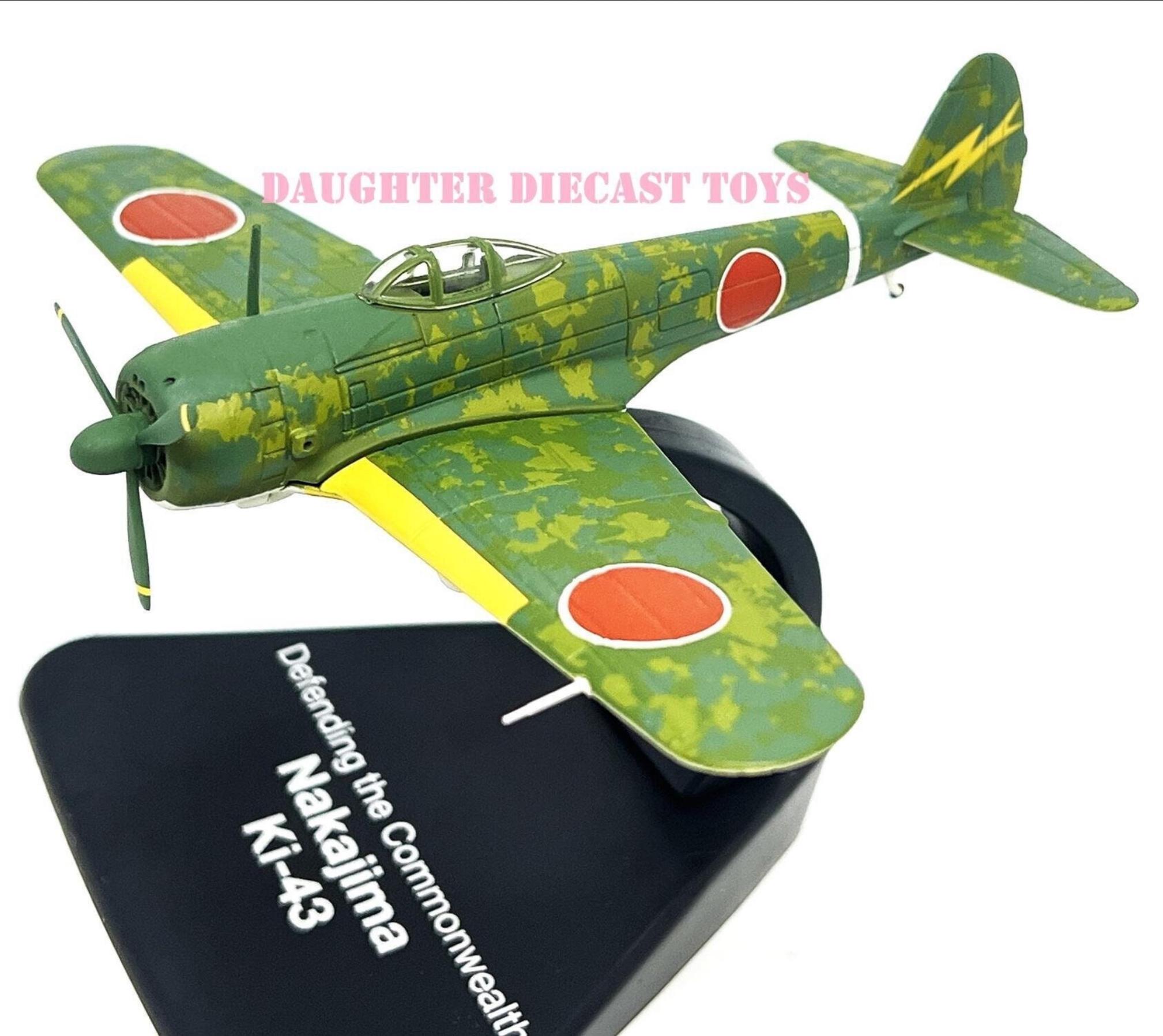
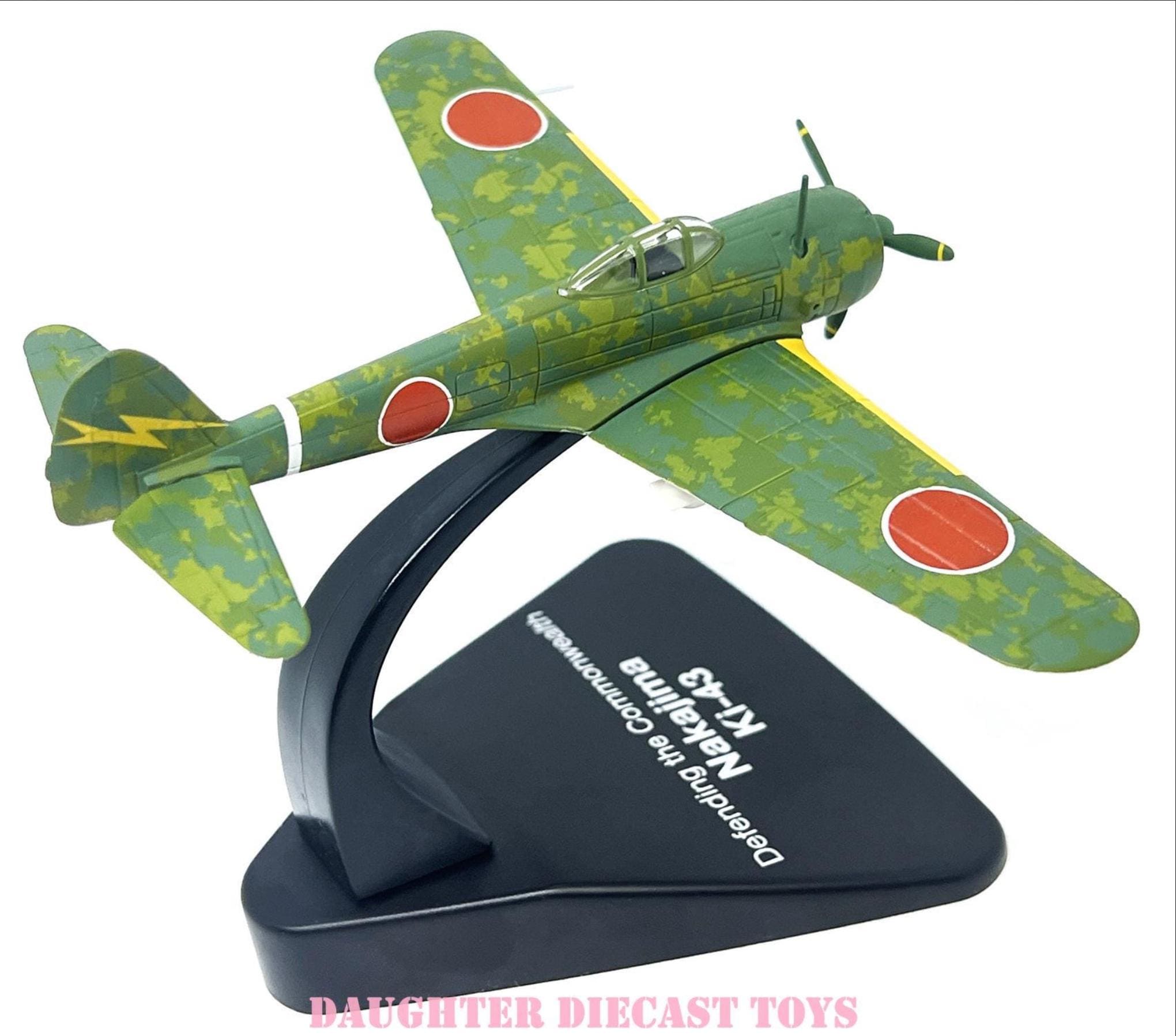
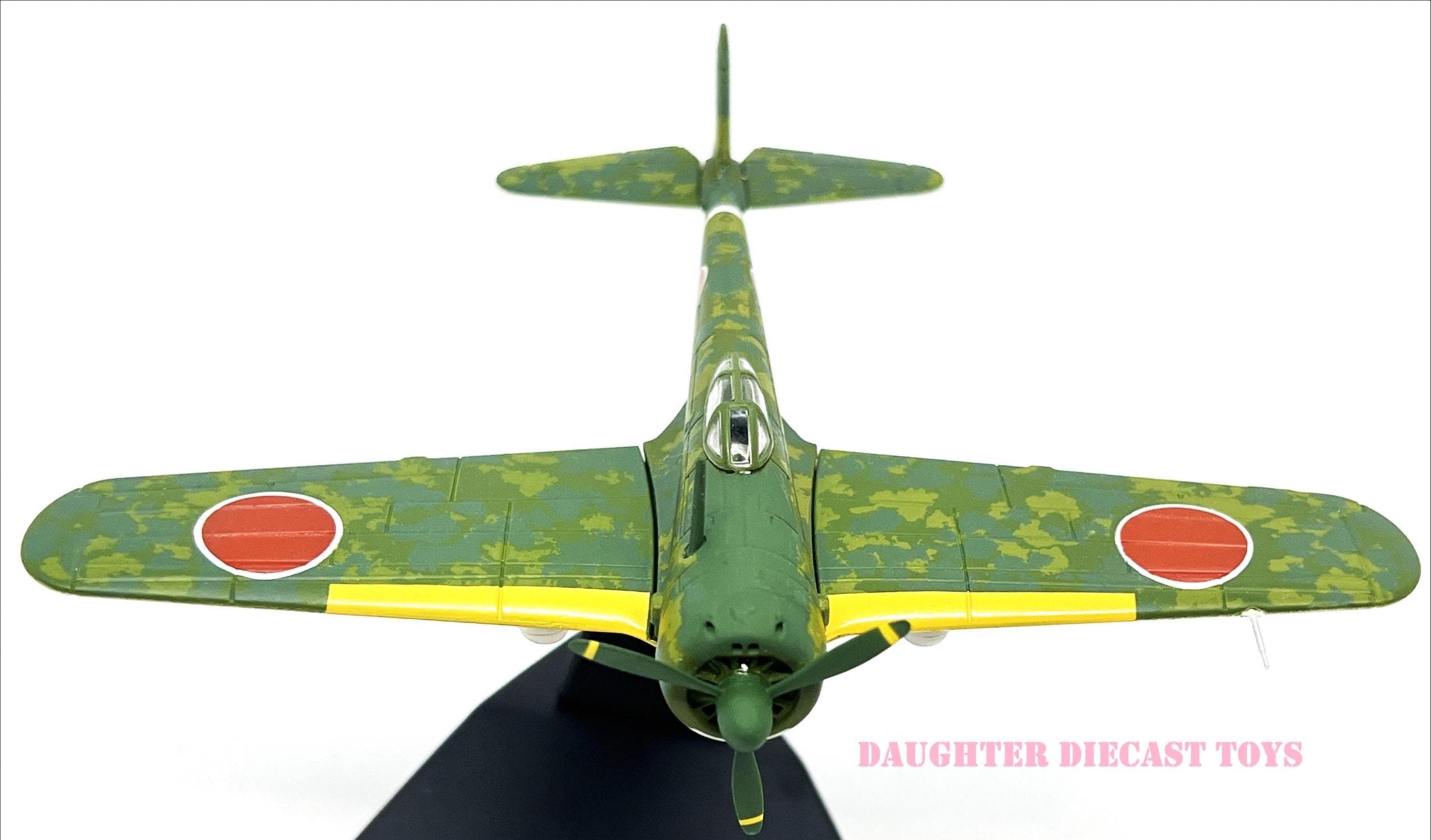
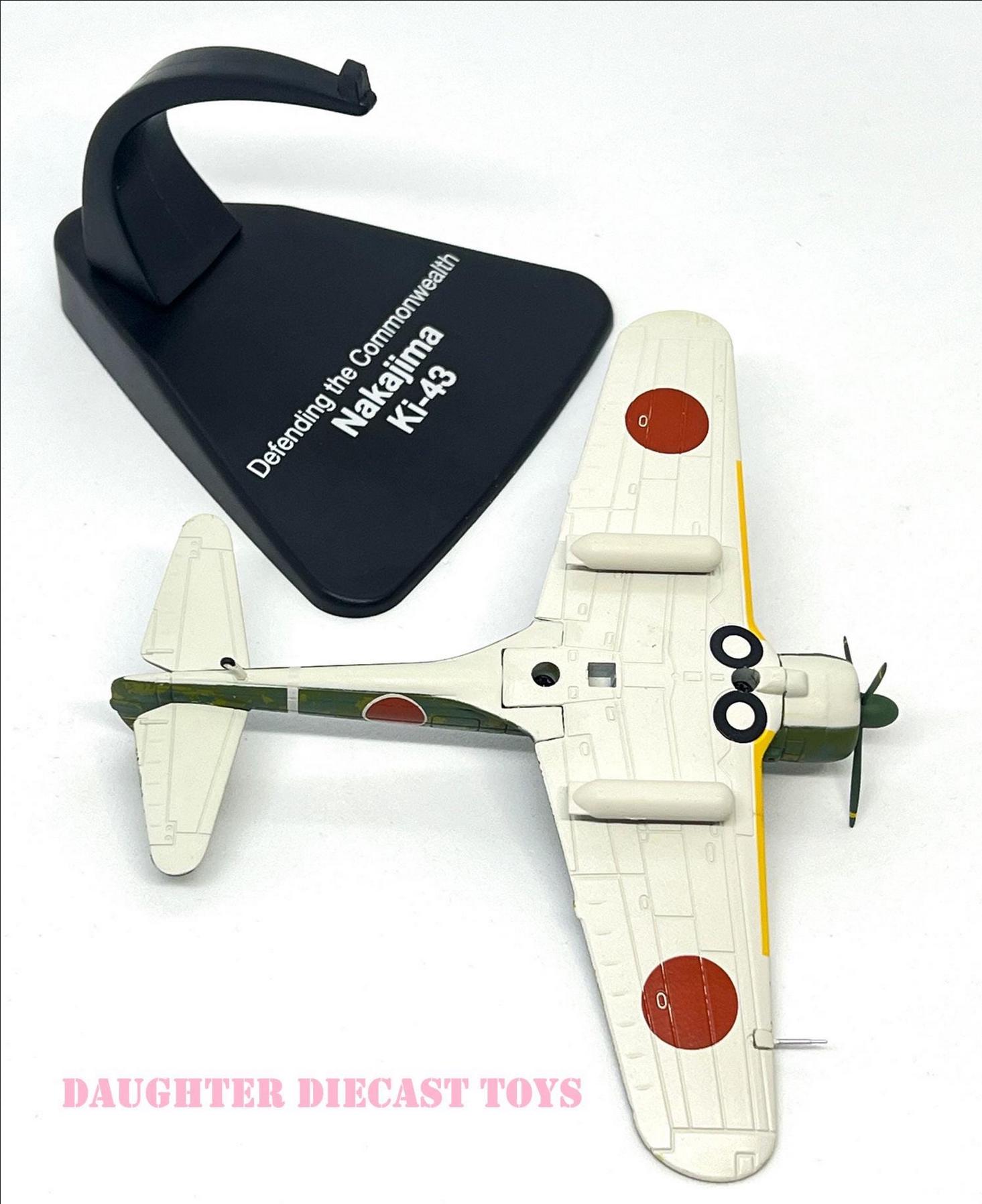
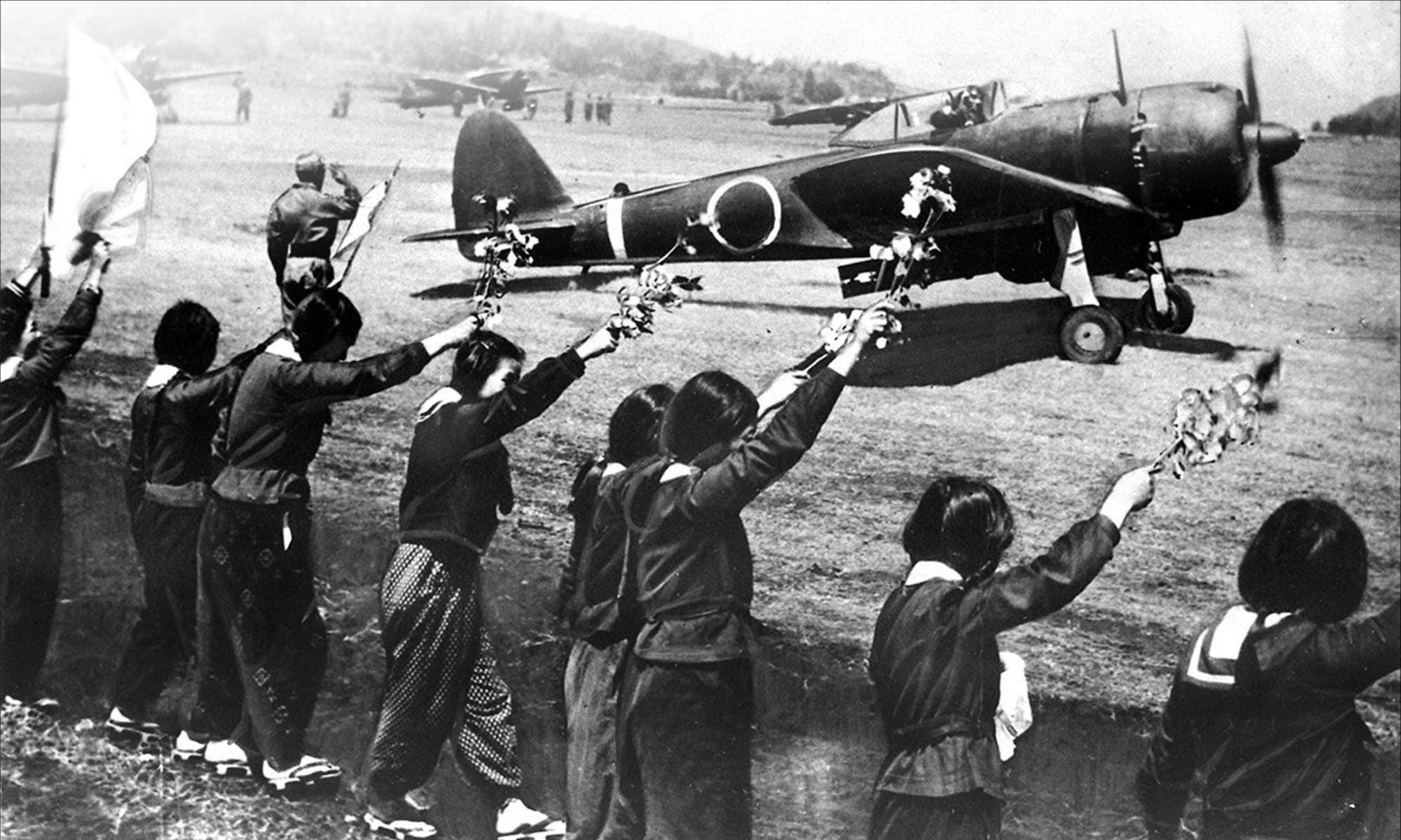
Collector Model-Perfect gift for Collectors & Military Aircraft Fans!Fantastic....VINTAGE WWII JAPANESE FIGHTER NAKAJIMA Ki-43 HAYABUSA (ARMY ZERO). Premium quality, intricately detailed ADULT COLLECTOR Model. Constructed of (heavy) diecast metal-made by Atlas. Scale= 1/72 prox, measures 5 1/4"L x 6"W x 4 1/2"H (mounted). Pristine condition model. This airplane has never handled or displayed (until today for the photos in this listing). Aircraft comes in collectors' bag complete with desktop display stand. Perfect gift for vintage toy collectors, military history enthusiasts, war diorama creators, and airshow fans (like me)! We offer FREE shipping to anywhere in the continental USA. International shipping is available. 100% happiness guaranteed. Read plane bio below....Purchases totaling $35 and above qualify for FREE shipping to USA! Add more items to your Etsy shopping cart to save $$$. …Note: My dad owned a Diecast toy store for 30 years. I inherited the store inventory when he passed away several years ago. I am (just now) able to bring myself to begin selling his toys-so they can be shared with the world. All the inventory is NEW (vintage) merchandise-which was intended for retail sale. Please know-our diecast toys have NEVER been "played-with” we do not sell used, or damaged merchandise.AIRCRAFT BIO:The Nakajima Ki-43 Hayabusa (隼, "Peregrine falcon"), formal Japanese designation Army Type 1 Fighter (一式戦闘機, Ichi-shiki sentōki) is a single-engine land-based tactical fighter used by the Imperial Japanese Army Air Service in World War II.The Allied reporting name was "Oscar", but it was often called the "Army Zero" by American pilots because it bore a certain resemblance to the Mitsubishi A6M Zero,[3] the Imperial Japanese Navy's counterpart to the Ki-43. Both aircraft had generally similar layout and lines, and also used essentially the same Nakajima Sakae radial engine, with similar round cowlings and bubble-type canopies (the Oscar's being distinctly smaller and having much less framing than the A6M). While relatively easy for a trained eye to tell apart with the "finer" lines of the Ki-43's fuselage – especially towards the tail – and more tapered wing planform; in the heat of battle, given the brief glimpses and distraction of combat, Allied aviators frequently made mistakes in enemy aircraft identification in the heat of a dogfight, reportedly having fought "Zeros" in areas where there were no Navy fighters.Like the Zero, the radial-engined Ki-43 was light and easy to fly and became legendary for its combat performance in East Asia in the early years of the war. It could outmaneuver any opponent, but did not initially have armor or self-sealing fuel tanks, and its armament was poor until its final version, which was produced as late as 1945.[4][5] Allied pilots often reported that the nimble Ki-43s were difficult targets but burned easily or broke apart with few hits.[6]Total production amounted to 5,919 aircraft.[7] Many of these were used during the last months of the war for kamikaze missions against the American fleet.[6]he Ki-43 was the most widely used Army fighter, and equipped 30 sentai FR (flight regiment)[a] and 12 Dokuritsu Dai Shijugo Chutai ("Direct command fighter squadron" - independent squadrons not incorporated into sentais)[b]. The first unit equipped with the Ki 43-I was the 59th FR at Hankow Airfield, during June–August 1941 and began operational sorties over Hengyang on 29 October 1941.[2][21][page needed] The second unit to re-equip with the new Aircraft was the 64th FR, from August to November 1941.[22]The first version, Ki-43-I, entered service in 1941, the Ki-43-II in December 1942, the Ki-43-II-Kai in June 1943, and the Ki-43-IIIa in summer 1944. The aircraft fought in China, Burma, the Malay Peninsula, New Guinea, the Philippines, South Pacific islands and the Japanese home islands.[7]Like the Zero, the Ki-43 initially enjoyed air superiority in the skies of Malaya, Dutch East Indies, Burma and New Guinea. This was partly due to the better performance of the Oscar[23] and partly due to the relatively small numbers of combat-ready Allied fighters, mostly the Curtiss P-36 Hawk, Curtiss P-40, Brewster Buffalo, Hawker Hurricane and Curtiss-Wright CW-21 in Asia and the Pacific during the first months of the war. As the war progressed, however, the fighter suffered from the same weaknesses as the slower, fixed-gear Ki-27 "Nate" predecessor to the Oscar, and the more advanced naval A6M Zero; light armor and less-than-effective self-sealing fuel tanks, which caused high casualties in combat. Its armament of two machine guns also proved inadequate against the more heavily armored Allied aircraft. As newer Allied aircraft were introduced, such as the Republic P-47 Thunderbolt, Lockheed P-38 Lightning, North American P-51 Mustang, Vought F4U Corsair, Grumman F6F Hellcat, Yakovlev Yak-9, Yakovlev Yak-3U and late-model Supermarine Spitfire/Seafire, the Japanese were forced into a defensive war and most aircraft were flown by inexperienced pilots. However, even near the end, the Oscar's excellent maneuverability could still gain advantage over rash Allied pilots. A captured Ki-43-IIIa of the 48th Sentai, postwarFrom October to December 1944, 17 Ki-43s were shot down in air combat; their pilots claimed seven C-47s, five Consolidated B-24 Liberators, two Spitfires, two Bristol Beaufighters, two de Havilland Mosquitoes, two F4U Corsairs, two Boeing B-29 Superfortresses, one F6F Hellcat, one P-38, and one North American B-25 Mitchell.[24] Like most Japanese combat types, many Hayabusas were at the end expended in kamikaze strikes.The Ki-43 also served in an air defense role over Formosa, Okinawa and the Japanese home islands. Some examples were supplied to the pro-Japanese regimes of Thailand, Manchukuo and Wang Jingwei Government as well. The Thai units sometimes fought against the USAAF in southern China.[25]Hayabusas were well liked in the JAAF because of the pleasant flight characteristics and excellent maneuverability, and almost all JAAF fighter aces claimed victories with Hayabusa in some part of their career. At the end of the war, most Hayabusa units received Nakajima Ki-84 Hayate "Frank" and Kawasaki Ki-100 fighters, but some units flew the Hayabusa to the end of the war. The top-scoring Hayabusa pilot was Sergeant Satoshi Anabuki with 39 confirmed victories, almost all scored with the Ki-43.After the war, some captured examples served in limited numbers in the French Air Force in Indochina against Viet Minh rebels.[26]Ki-43s abandoned in the Netherlands East Indies were taken over by the newly declared Indonesian government and put into service during the fight against Dutch forces.
Collector Model-Perfect gift for Collectors & Military Aircraft Fans!Fantastic....VINTAGE WWII JAPANESE FIGHTER NAKAJIMA Ki-43 HAYABUSA (ARMY ZERO). Premium quality, intricately detailed ADULT COLLECTOR Model. Constructed of (heavy) diecast metal-made by Atlas. Scale= 1/72 prox, measures 5 1/4"L x 6"W x 4 1/2"H (mounted). Pristine condition model. This airplane has never handled or displayed (until today for the photos in this listing). Aircraft comes in collectors' bag complete with desktop display stand. Perfect gift for vintage toy collectors, military history enthusiasts, war diorama creators, and airshow fans (like me)! We offer FREE shipping to anywhere in the continental USA. International shipping is available. 100% happiness guaranteed. Read plane bio below....Purchases totaling $35 and above qualify for FREE shipping to USA! Add more items to your Etsy shopping cart to save $$$. …Note: My dad owned a Diecast toy store for 30 years. I inherited the store inventory when he passed away several years ago. I am (just now) able to bring myself to begin selling his toys-so they can be shared with the world. All the inventory is NEW (vintage) merchandise-which was intended for retail sale. Please know-our diecast toys have NEVER been "played-with” we do not sell used, or damaged merchandise.AIRCRAFT BIO:The Nakajima Ki-43 Hayabusa (隼, "Peregrine falcon"), formal Japanese designation Army Type 1 Fighter (一式戦闘機, Ichi-shiki sentōki) is a single-engine land-based tactical fighter used by the Imperial Japanese Army Air Service in World War II.The Allied reporting name was "Oscar", but it was often called the "Army Zero" by American pilots because it bore a certain resemblance to the Mitsubishi A6M Zero,[3] the Imperial Japanese Navy's counterpart to the Ki-43. Both aircraft had generally similar layout and lines, and also used essentially the same Nakajima Sakae radial engine, with similar round cowlings and bubble-type canopies (the Oscar's being distinctly smaller and having much less framing than the A6M). While relatively easy for a trained eye to tell apart with the "finer" lines of the Ki-43's fuselage – especially towards the tail – and more tapered wing planform; in the heat of battle, given the brief glimpses and distraction of combat, Allied aviators frequently made mistakes in enemy aircraft identification in the heat of a dogfight, reportedly having fought "Zeros" in areas where there were no Navy fighters.Like the Zero, the radial-engined Ki-43 was light and easy to fly and became legendary for its combat performance in East Asia in the early years of the war. It could outmaneuver any opponent, but did not initially have armor or self-sealing fuel tanks, and its armament was poor until its final version, which was produced as late as 1945.[4][5] Allied pilots often reported that the nimble Ki-43s were difficult targets but burned easily or broke apart with few hits.[6]Total production amounted to 5,919 aircraft.[7] Many of these were used during the last months of the war for kamikaze missions against the American fleet.[6]he Ki-43 was the most widely used Army fighter, and equipped 30 sentai FR (flight regiment)[a] and 12 Dokuritsu Dai Shijugo Chutai ("Direct command fighter squadron" - independent squadrons not incorporated into sentais)[b]. The first unit equipped with the Ki 43-I was the 59th FR at Hankow Airfield, during June–August 1941 and began operational sorties over Hengyang on 29 October 1941.[2][21][page needed] The second unit to re-equip with the new Aircraft was the 64th FR, from August to November 1941.[22]The first version, Ki-43-I, entered service in 1941, the Ki-43-II in December 1942, the Ki-43-II-Kai in June 1943, and the Ki-43-IIIa in summer 1944. The aircraft fought in China, Burma, the Malay Peninsula, New Guinea, the Philippines, South Pacific islands and the Japanese home islands.[7]Like the Zero, the Ki-43 initially enjoyed air superiority in the skies of Malaya, Dutch East Indies, Burma and New Guinea. This was partly due to the better performance of the Oscar[23] and partly due to the relatively small numbers of combat-ready Allied fighters, mostly the Curtiss P-36 Hawk, Curtiss P-40, Brewster Buffalo, Hawker Hurricane and Curtiss-Wright CW-21 in Asia and the Pacific during the first months of the war. As the war progressed, however, the fighter suffered from the same weaknesses as the slower, fixed-gear Ki-27 "Nate" predecessor to the Oscar, and the more advanced naval A6M Zero; light armor and less-than-effective self-sealing fuel tanks, which caused high casualties in combat. Its armament of two machine guns also proved inadequate against the more heavily armored Allied aircraft. As newer Allied aircraft were introduced, such as the Republic P-47 Thunderbolt, Lockheed P-38 Lightning, North American P-51 Mustang, Vought F4U Corsair, Grumman F6F Hellcat, Yakovlev Yak-9, Yakovlev Yak-3U and late-model Supermarine Spitfire/Seafire, the Japanese were forced into a defensive war and most aircraft were flown by inexperienced pilots. However, even near the end, the Oscar's excellent maneuverability could still gain advantage over rash Allied pilots. A captured Ki-43-IIIa of the 48th Sentai, postwarFrom October to December 1944, 17 Ki-43s were shot down in air combat; their pilots claimed seven C-47s, five Consolidated B-24 Liberators, two Spitfires, two Bristol Beaufighters, two de Havilland Mosquitoes, two F4U Corsairs, two Boeing B-29 Superfortresses, one F6F Hellcat, one P-38, and one North American B-25 Mitchell.[24] Like most Japanese combat types, many Hayabusas were at the end expended in kamikaze strikes.The Ki-43 also served in an air defense role over Formosa, Okinawa and the Japanese home islands. Some examples were supplied to the pro-Japanese regimes of Thailand, Manchukuo and Wang Jingwei Government as well. The Thai units sometimes fought against the USAAF in southern China.[25]Hayabusas were well liked in the JAAF because of the pleasant flight characteristics and excellent maneuverability, and almost all JAAF fighter aces claimed victories with Hayabusa in some part of their career. At the end of the war, most Hayabusa units received Nakajima Ki-84 Hayate "Frank" and Kawasaki Ki-100 fighters, but some units flew the Hayabusa to the end of the war. The top-scoring Hayabusa pilot was Sergeant Satoshi Anabuki with 39 confirmed victories, almost all scored with the Ki-43.After the war, some captured examples served in limited numbers in the French Air Force in Indochina against Viet Minh rebels.[26]Ki-43s abandoned in the Netherlands East Indies were taken over by the newly declared Indonesian government and put into service during the fight against Dutch forces.
Other Products