
Douglas Bader (Ace) RAF SPITFIRE MK1- Diecast Metal-WWII Airplane with Stand- Pristine Condition! Corgi Toys -Perfect Gift for Collectors!
$ 34.99

Douglas Bader (RAF ACE PILOT) SUPERMARINE SPITFIRE MK1- Diecast Metal-WWII
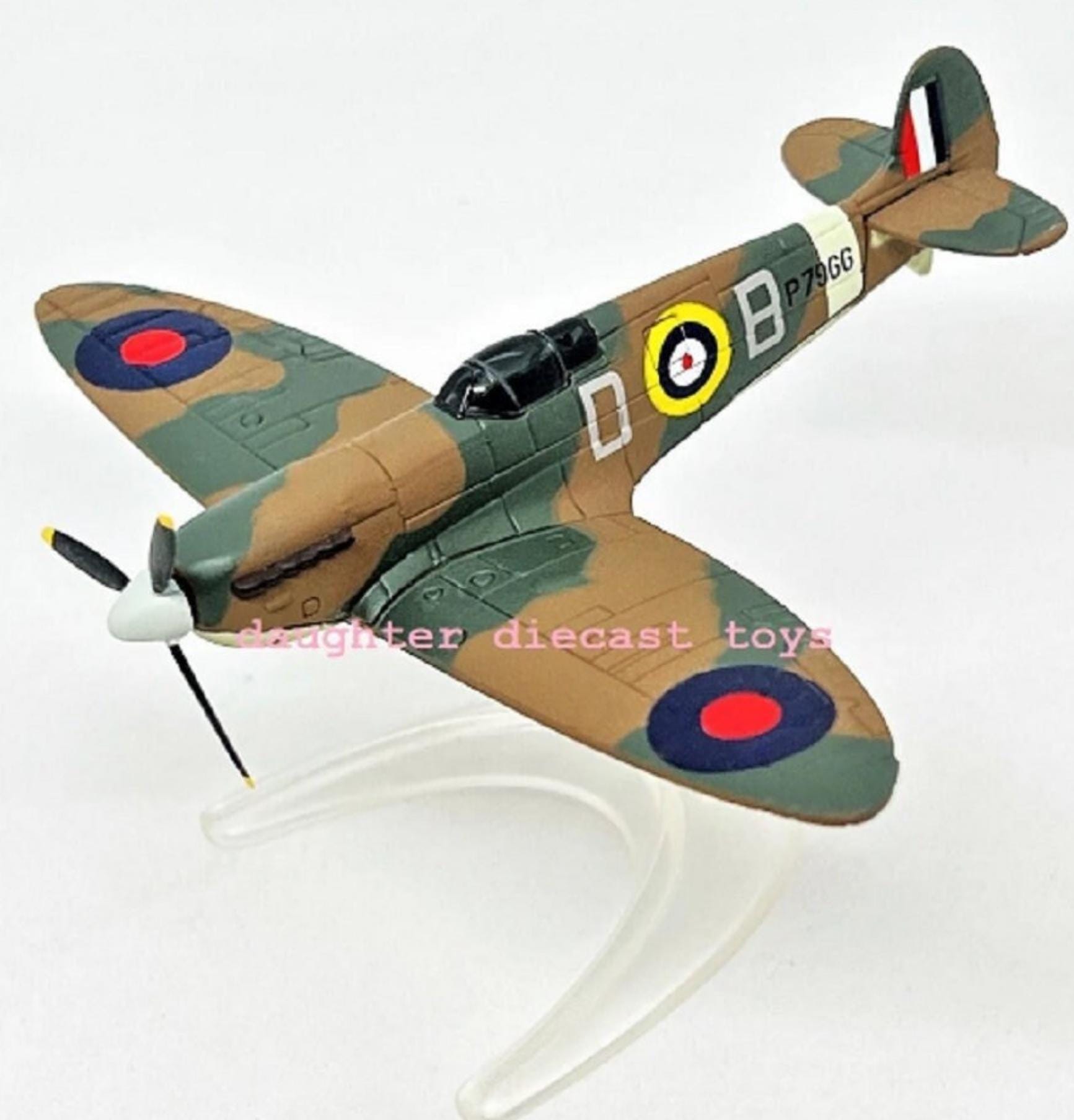
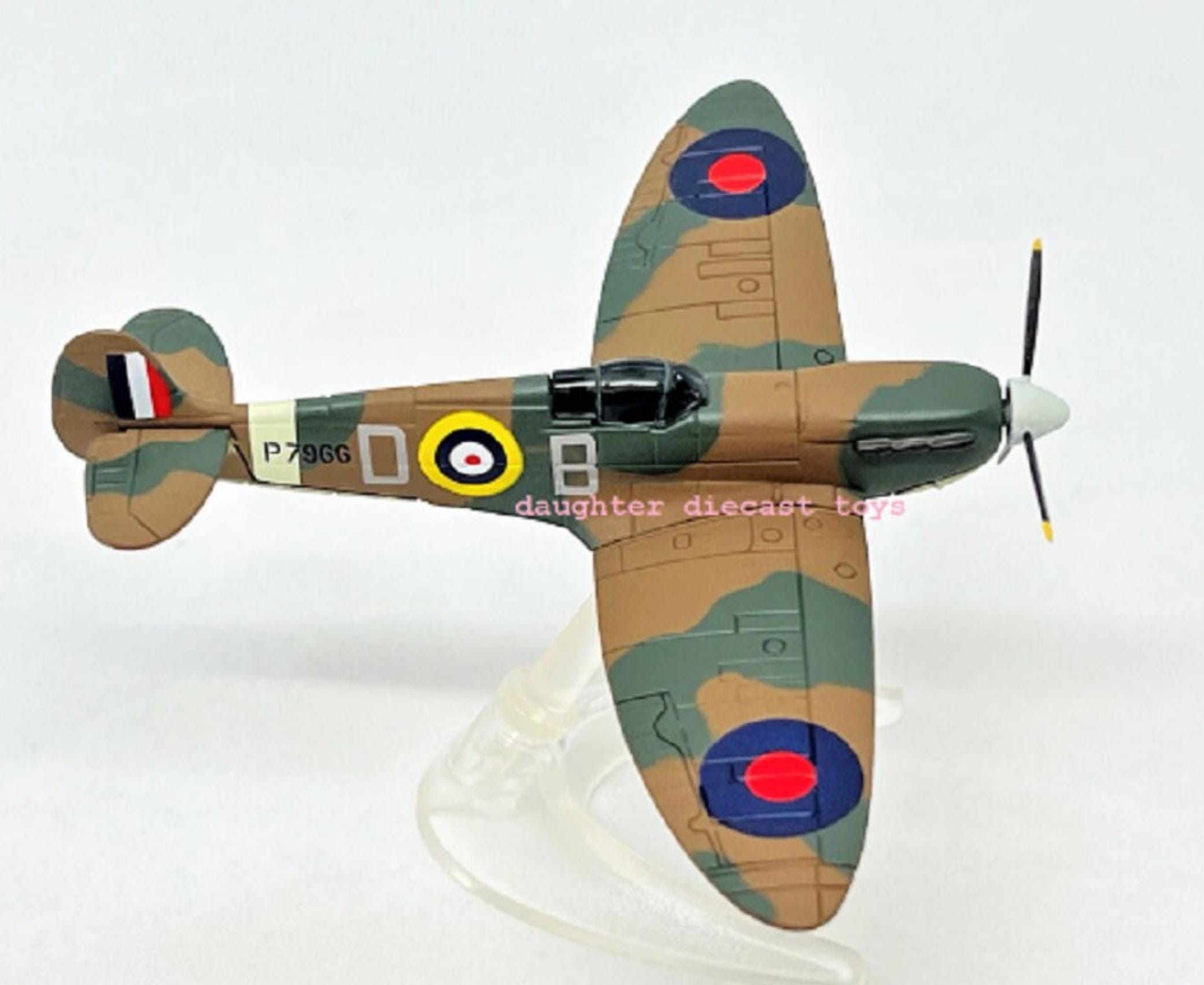
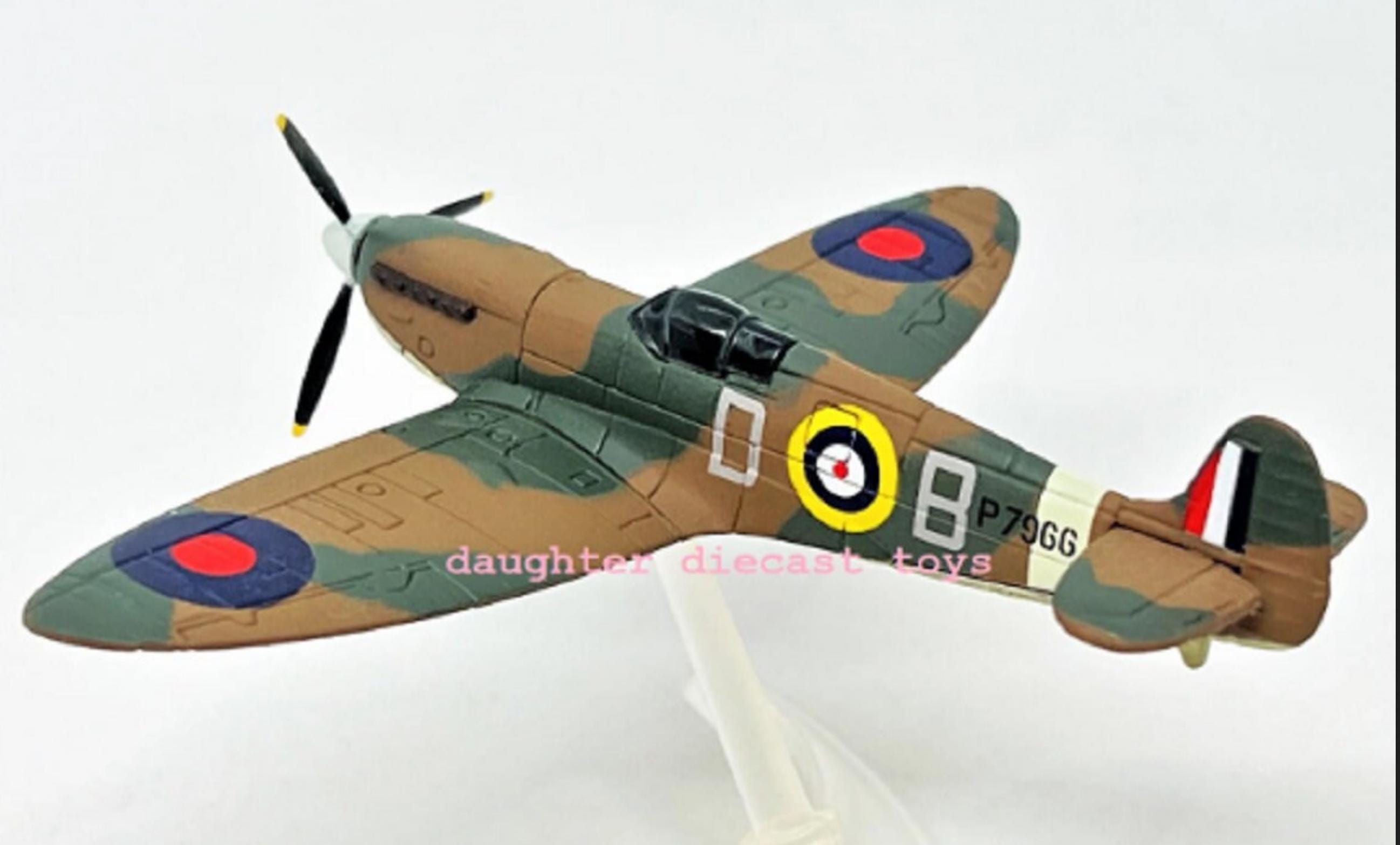
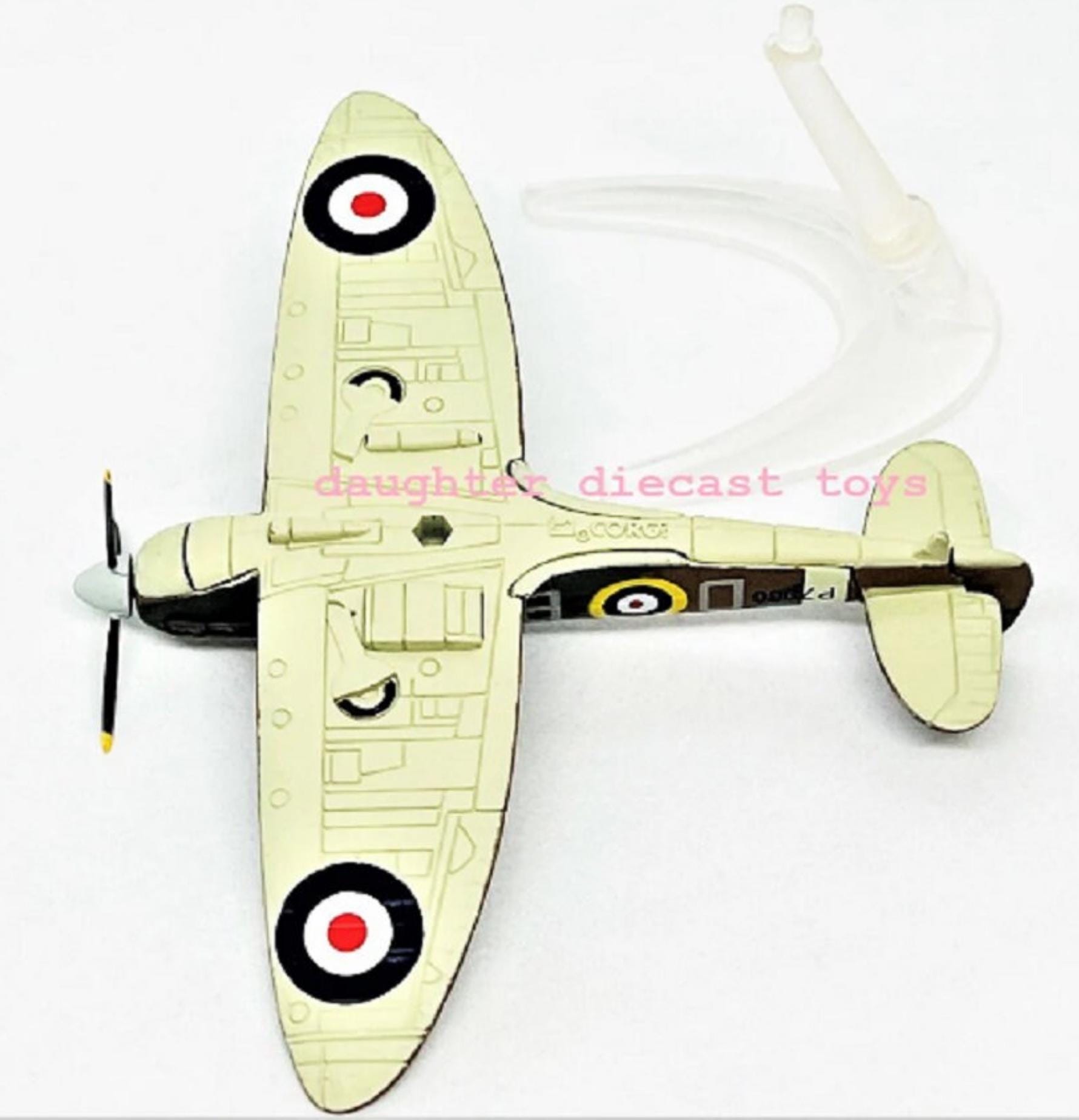
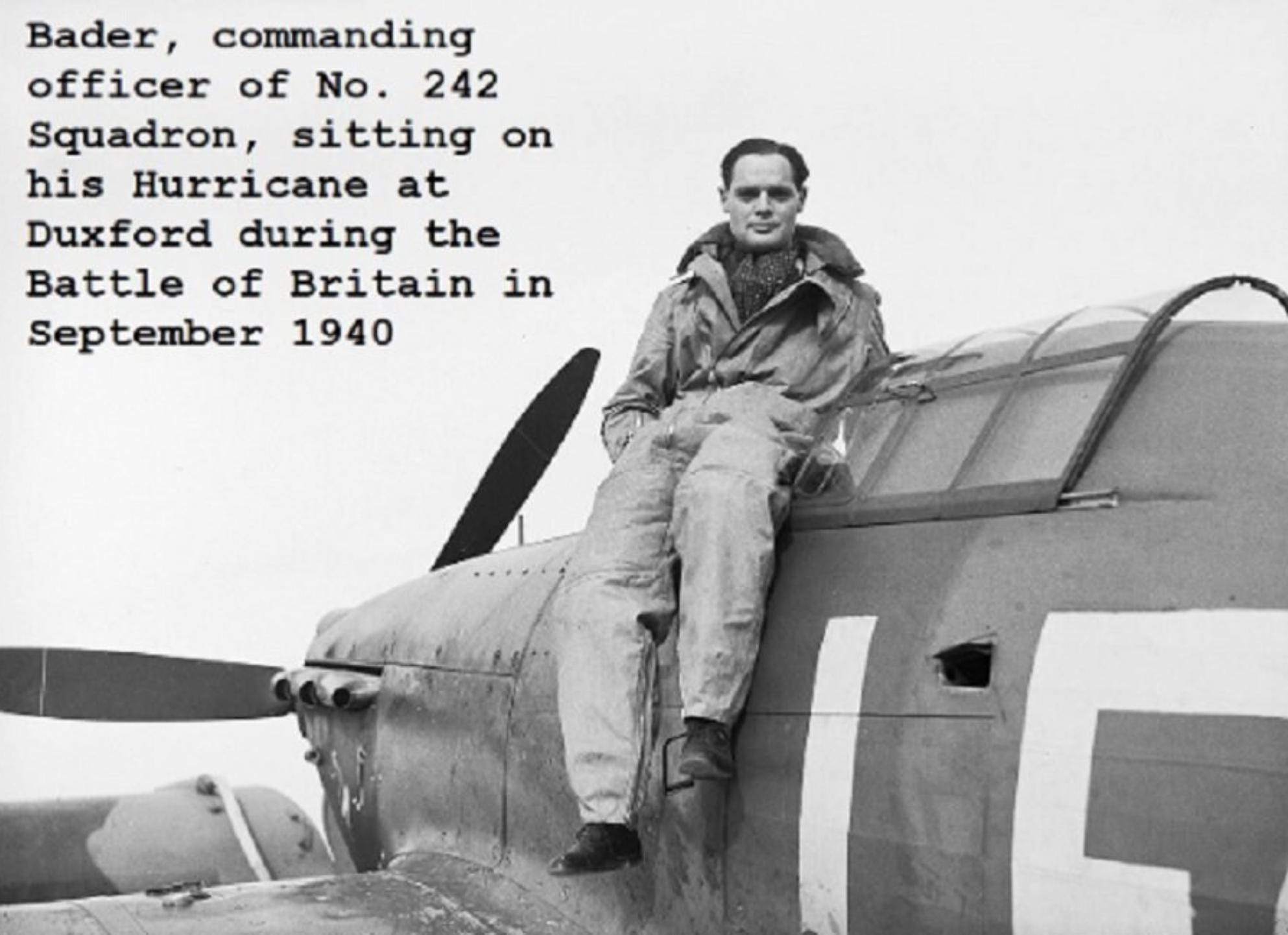
Airplane with Stand- Pristine Condition! Corgi Toys -Perfect Gift for Collectors!Awesome! Douglas Bader's (RAF ACE PILOT) SUPERMARINE SPITFIRE MK1 WWII Airplane. Constructed of die cast metal. Beautiful highly-detailed, adult collector model made by Corgi. Letters DB on side-indicate this is a Douglas Bader (RAF ACE PILOT) aircraft. Measures 3 1/2"L x 4"W x 1 "H. Pristine condition-never displayed until today for the photos in this listing. Comes in collectors bag with stand. Perfect gift for Corgi, vintage aircraft lovers, vintage toy collectors and fans of military history! See Douglas Bader (in photo 5) & aircraft bio below....Note: My dad owned a Diecast toy store for 30 years. I inherited the store inventory when he passed away several years ago. I am (just now) able to bring myself to begin selling his cars-so they can be shared with the world. All pristine and mint condition vintage models will (eventually) be listed here on ETSY. All the inventory is NEW (vintage) merchandise-which was intended for retail sale. Please know-our diecast toys have NEVER been "played-with” we do not sell used, or damaged toys.
•
•
•FOR A LIMITED TIME
•
•
•Purchases totaling $35 and above qualify for FREE shipping to USA! Add more items to your Etsy shopping cart to save $$$.Douglas Bader:Group Captain Sir Douglas Robert Steuart Bader, CBE, DSO & Bar, DFC & Bar, DL, FRAeS (/ˈbɑːdər/; 21 February 1910 – 5 September 1982) was a Royal Air Force flying ace during the Second World War. He was credited with 22 aerial victories, four shared victories, six probables, one shared probable and 11 enemy aircraft damaged.[2][3]Bader joined the RAF in 1928, and was commissioned in 1930. In December 1931, while attempting some aerobatics, he crashed and lost both his legs. Having been on the brink of death, he recovered, retook flight training, passed his check flights and then requested reactivation as a pilot. Although there were no regulations applicable to his situation, he was retired against his will on medical grounds.[4]After the outbreak of the Second World War in 1939, however, Douglas Bader returned to the RAF and was accepted as a pilot. He scored his first victories over Dunkirk during the Battle of France in 1940. He then took part in the Battle of Britain and became a friend and supporter of Air Vice Marshal Trafford Leigh-Mallory and his "Big Wing" experiments.In August 1941, Bader baled out over German-occupied France and was captured. Soon afterward, he met and was befriended by Adolf Galland, a prominent German fighter ace.[5] Despite his disability, Bader made a number of escape attempts and was eventually sent to the prisoner of war camp at Colditz Castle. He remained there until April 1945 when the camp was liberated by the First United States Army.Bader left the RAF permanently in February 1946 and resumed his career in the oil industry. During the 1950s, a book and a film, Reach for the Sky, chronicled his life and RAF career to the end of the Second World War. Bader campaigned for disabled people and in the Queen's Birthday Honours 1976 was appointed a Knight Bachelor "for services to disabled people".[6] He continued to fly until ill health forced him to stop in 1979. Bader died, aged 72, on 5 September 1982, after a heart attack. AIRCRAFT BIO:The Spitfire is a British single-seat fighter aircraft that was used by the Royal Air Force and other Allied countries before, during, and after World War II. Many variants of the Spitfire were built, using several wing configurations, and it was produced in greater numbers than any other British aircraft.[citation needed] It was also the only British fighter produced continuously throughout the war. The Spitfire continues to be popular among enthusiasts; nearly 60 remain airworthy, and many more are static exhibits in aviation museums throughout the world.The Spitfire was designed as a short-range, high-performance interceptor aircraft by R. J. Mitchell, chief designer at Supermarine Aviation Works, which operated as a subsidiary of Vickers-Armstrong from 1928. Mitchell pushed the Spitfire's distinctive elliptical wing with cutting-edge sunken rivets (designed by Beverley Shenstone)[5] to have the thinnest possible cross-section, helping give the aircraft a higher top speed than several contemporary fighters, including the Hawker Hurricane. Mitchell continued to refine the design until his death in 1937, whereupon his colleague Joseph Smith took over as chief designer, overseeing the Spitfire's development throughout its multitude of variants.During the Battle of Britain, from July to October 1940, the public perceived the Spitfire to be the main RAF fighter, though the more numerous Hurricane shouldered a greater proportion of the burden against Nazi Germany's air force, the Luftwaffe. However, Spitfire units had a lower attrition rate and a higher victory-to-loss ratio than those flying Hurricanes because of the Spitfire's higher performance. During the battle, Spitfires were generally tasked with engaging Luftwaffe fighters—mainly Messerschmitt Bf 109E-series aircraft, which were a close match for them.After the Battle of Britain, the Spitfire superseded the Hurricane to become the backbone of RAF Fighter Command, and saw action in the European, Mediterranean, Pacific, and South-East Asian theaters. Much loved by its pilots, the Spitfire served in several roles, including interceptor, photo-reconnaissance, fighter-bomber, and trainer, and it continued to serve in these roles until the 1950s. The Seafire was a carrier-based adaptation of the Spitfire that served in the Fleet Air Arm from 1942 through to the mid-1950s. Although the original airframe was designed to be powered by a Rolls-Royce Merlin engine producing 1,030 hp (768 kW), it was strong enough and adaptable enough to use increasingly powerful Merlins and, in later marks, Rolls-Royce Griffon engines producing up to 2,340 hp (1,745 kW). As a result, the Spitfire's performance and capabilities improved over the course of its service life.
Airplane with Stand- Pristine Condition! Corgi Toys -Perfect Gift for Collectors!Awesome! Douglas Bader's (RAF ACE PILOT) SUPERMARINE SPITFIRE MK1 WWII Airplane. Constructed of die cast metal. Beautiful highly-detailed, adult collector model made by Corgi. Letters DB on side-indicate this is a Douglas Bader (RAF ACE PILOT) aircraft. Measures 3 1/2"L x 4"W x 1 "H. Pristine condition-never displayed until today for the photos in this listing. Comes in collectors bag with stand. Perfect gift for Corgi, vintage aircraft lovers, vintage toy collectors and fans of military history! See Douglas Bader (in photo 5) & aircraft bio below....Note: My dad owned a Diecast toy store for 30 years. I inherited the store inventory when he passed away several years ago. I am (just now) able to bring myself to begin selling his cars-so they can be shared with the world. All pristine and mint condition vintage models will (eventually) be listed here on ETSY. All the inventory is NEW (vintage) merchandise-which was intended for retail sale. Please know-our diecast toys have NEVER been "played-with” we do not sell used, or damaged toys.
•
•
•FOR A LIMITED TIME
•
•
•Purchases totaling $35 and above qualify for FREE shipping to USA! Add more items to your Etsy shopping cart to save $$$.Douglas Bader:Group Captain Sir Douglas Robert Steuart Bader, CBE, DSO & Bar, DFC & Bar, DL, FRAeS (/ˈbɑːdər/; 21 February 1910 – 5 September 1982) was a Royal Air Force flying ace during the Second World War. He was credited with 22 aerial victories, four shared victories, six probables, one shared probable and 11 enemy aircraft damaged.[2][3]Bader joined the RAF in 1928, and was commissioned in 1930. In December 1931, while attempting some aerobatics, he crashed and lost both his legs. Having been on the brink of death, he recovered, retook flight training, passed his check flights and then requested reactivation as a pilot. Although there were no regulations applicable to his situation, he was retired against his will on medical grounds.[4]After the outbreak of the Second World War in 1939, however, Douglas Bader returned to the RAF and was accepted as a pilot. He scored his first victories over Dunkirk during the Battle of France in 1940. He then took part in the Battle of Britain and became a friend and supporter of Air Vice Marshal Trafford Leigh-Mallory and his "Big Wing" experiments.In August 1941, Bader baled out over German-occupied France and was captured. Soon afterward, he met and was befriended by Adolf Galland, a prominent German fighter ace.[5] Despite his disability, Bader made a number of escape attempts and was eventually sent to the prisoner of war camp at Colditz Castle. He remained there until April 1945 when the camp was liberated by the First United States Army.Bader left the RAF permanently in February 1946 and resumed his career in the oil industry. During the 1950s, a book and a film, Reach for the Sky, chronicled his life and RAF career to the end of the Second World War. Bader campaigned for disabled people and in the Queen's Birthday Honours 1976 was appointed a Knight Bachelor "for services to disabled people".[6] He continued to fly until ill health forced him to stop in 1979. Bader died, aged 72, on 5 September 1982, after a heart attack. AIRCRAFT BIO:The Spitfire is a British single-seat fighter aircraft that was used by the Royal Air Force and other Allied countries before, during, and after World War II. Many variants of the Spitfire were built, using several wing configurations, and it was produced in greater numbers than any other British aircraft.[citation needed] It was also the only British fighter produced continuously throughout the war. The Spitfire continues to be popular among enthusiasts; nearly 60 remain airworthy, and many more are static exhibits in aviation museums throughout the world.The Spitfire was designed as a short-range, high-performance interceptor aircraft by R. J. Mitchell, chief designer at Supermarine Aviation Works, which operated as a subsidiary of Vickers-Armstrong from 1928. Mitchell pushed the Spitfire's distinctive elliptical wing with cutting-edge sunken rivets (designed by Beverley Shenstone)[5] to have the thinnest possible cross-section, helping give the aircraft a higher top speed than several contemporary fighters, including the Hawker Hurricane. Mitchell continued to refine the design until his death in 1937, whereupon his colleague Joseph Smith took over as chief designer, overseeing the Spitfire's development throughout its multitude of variants.During the Battle of Britain, from July to October 1940, the public perceived the Spitfire to be the main RAF fighter, though the more numerous Hurricane shouldered a greater proportion of the burden against Nazi Germany's air force, the Luftwaffe. However, Spitfire units had a lower attrition rate and a higher victory-to-loss ratio than those flying Hurricanes because of the Spitfire's higher performance. During the battle, Spitfires were generally tasked with engaging Luftwaffe fighters—mainly Messerschmitt Bf 109E-series aircraft, which were a close match for them.After the Battle of Britain, the Spitfire superseded the Hurricane to become the backbone of RAF Fighter Command, and saw action in the European, Mediterranean, Pacific, and South-East Asian theaters. Much loved by its pilots, the Spitfire served in several roles, including interceptor, photo-reconnaissance, fighter-bomber, and trainer, and it continued to serve in these roles until the 1950s. The Seafire was a carrier-based adaptation of the Spitfire that served in the Fleet Air Arm from 1942 through to the mid-1950s. Although the original airframe was designed to be powered by a Rolls-Royce Merlin engine producing 1,030 hp (768 kW), it was strong enough and adaptable enough to use increasingly powerful Merlins and, in later marks, Rolls-Royce Griffon engines producing up to 2,340 hp (1,745 kW). As a result, the Spitfire's performance and capabilities improved over the course of its service life.
Other Products