WWII TUSKEGEE AIRMEN Airplane-Heavy Diecast Metal Airplane - Pristine Condition in Card!- Perfect Gift for Collectors & History Buffs!
$ 49.99

WWII TUSKEGEE AIRMEN Airplane-Heavy Diecast Metal Airplane - Pristine Condition
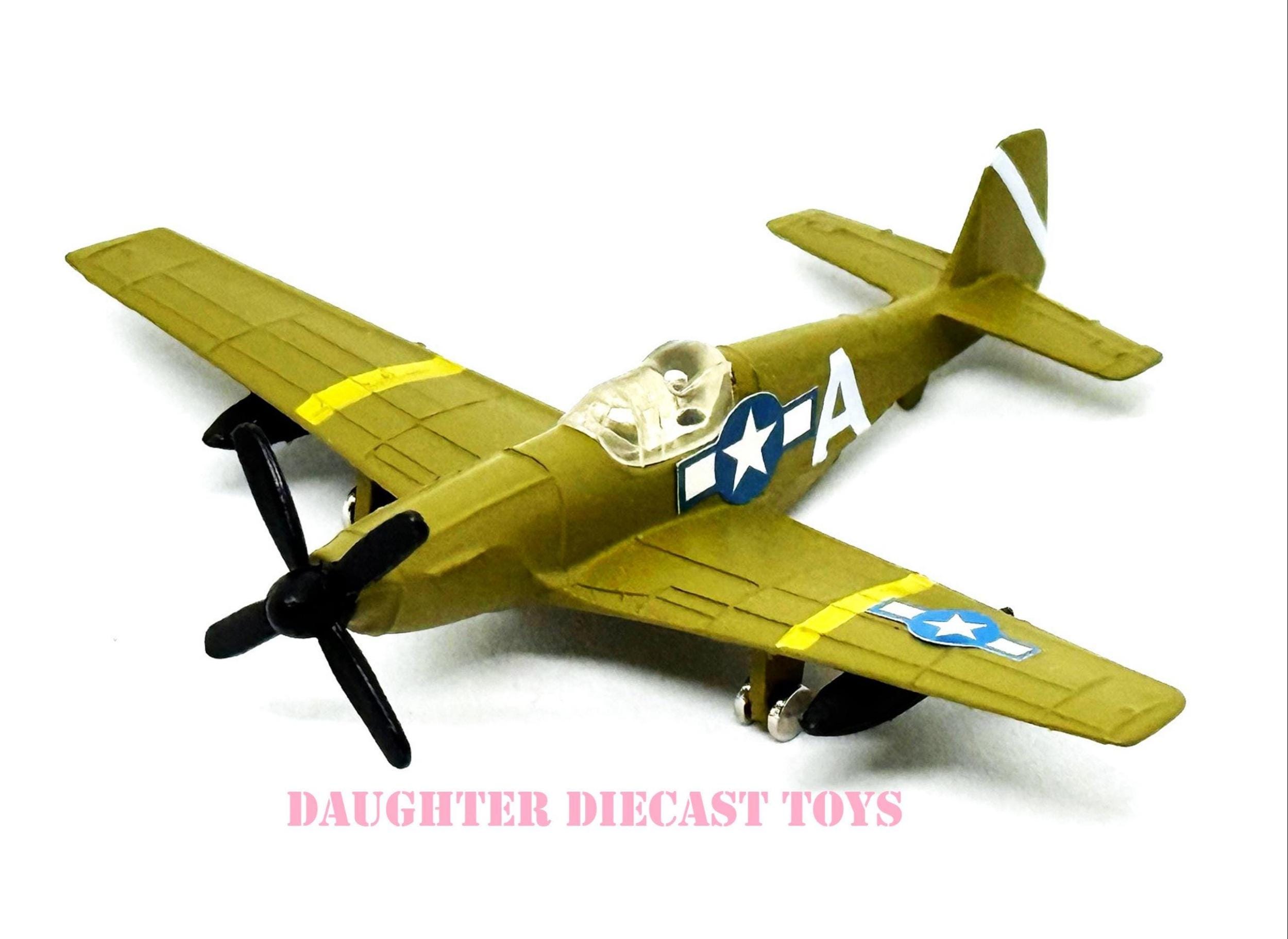
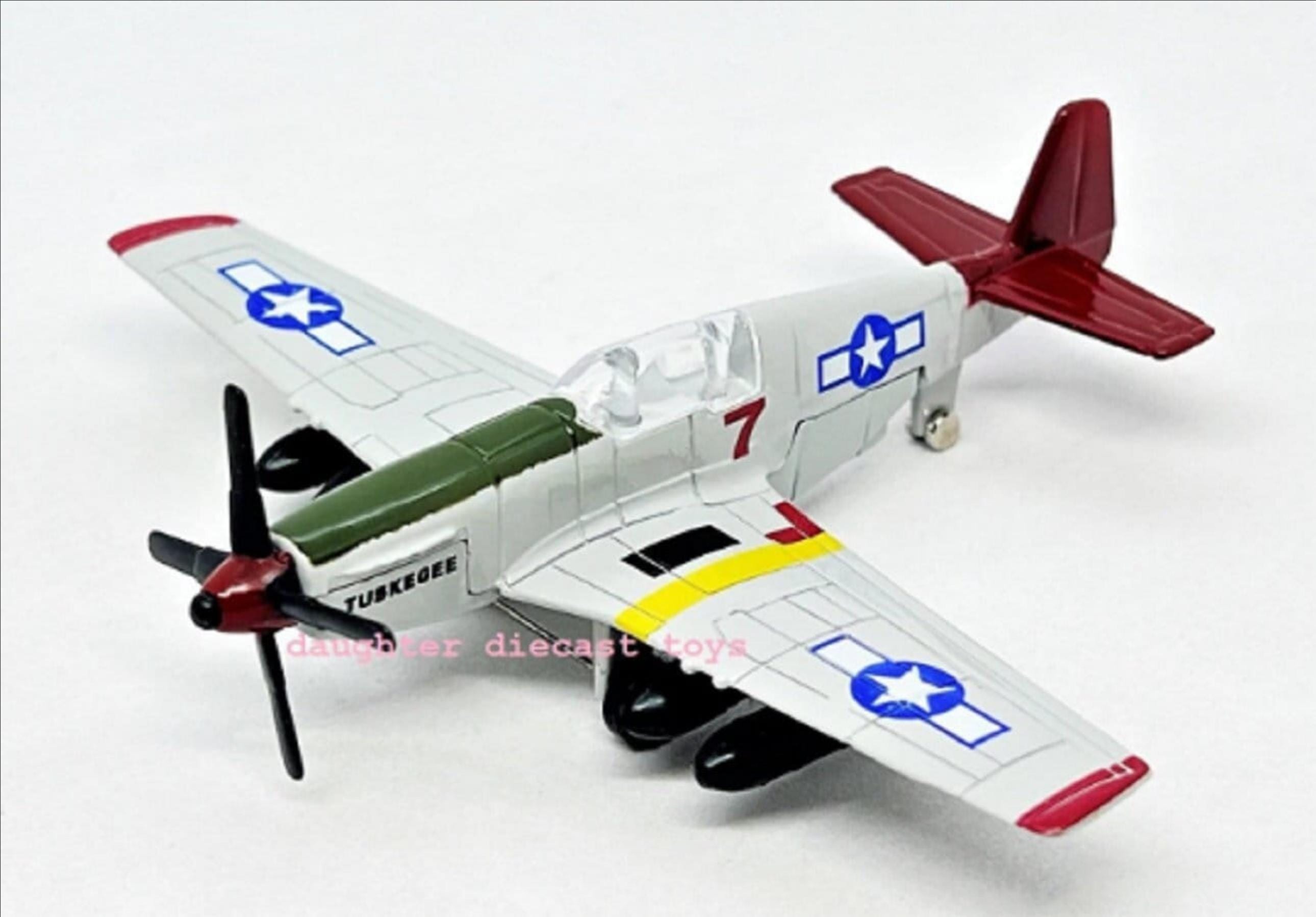
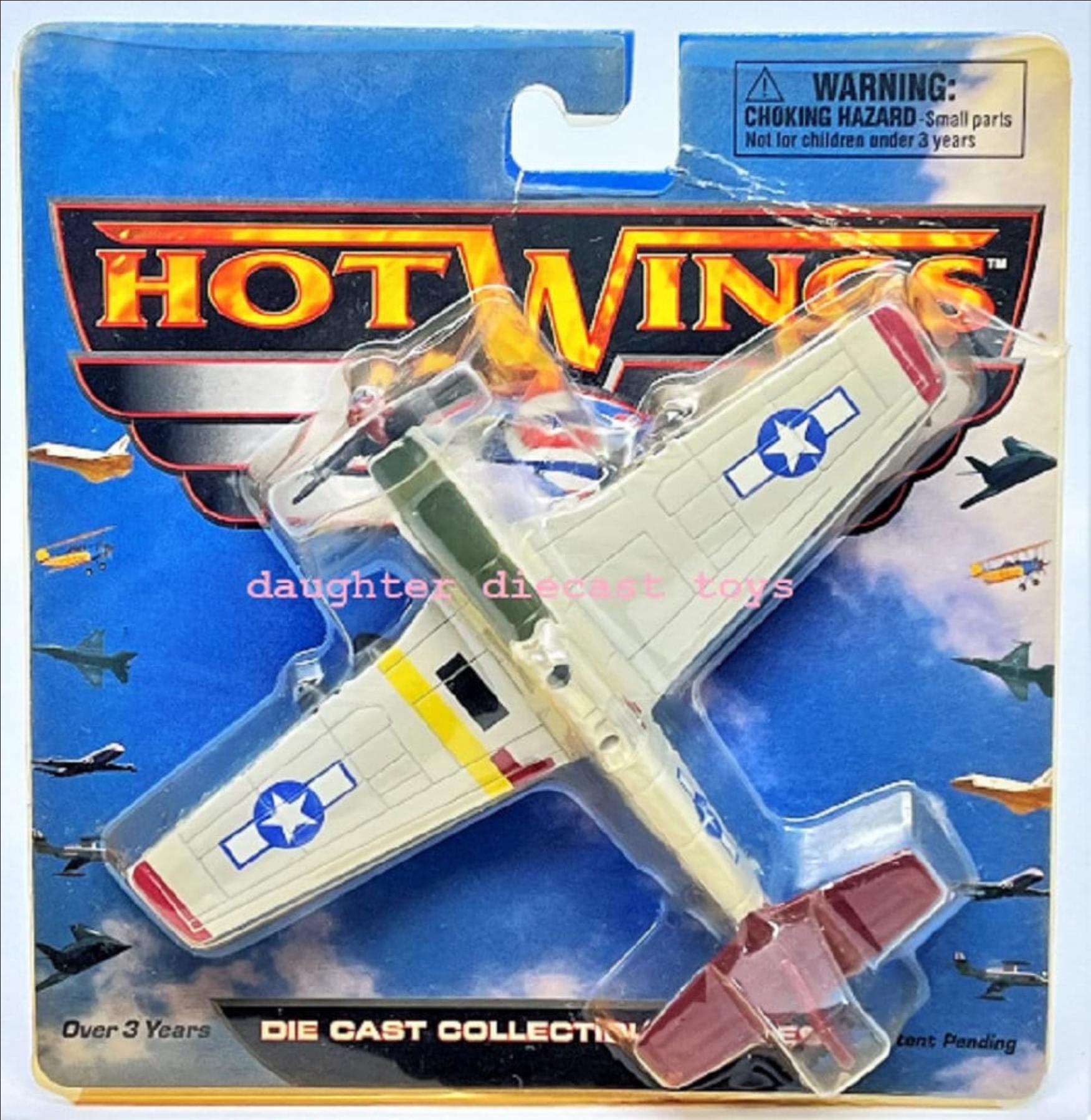
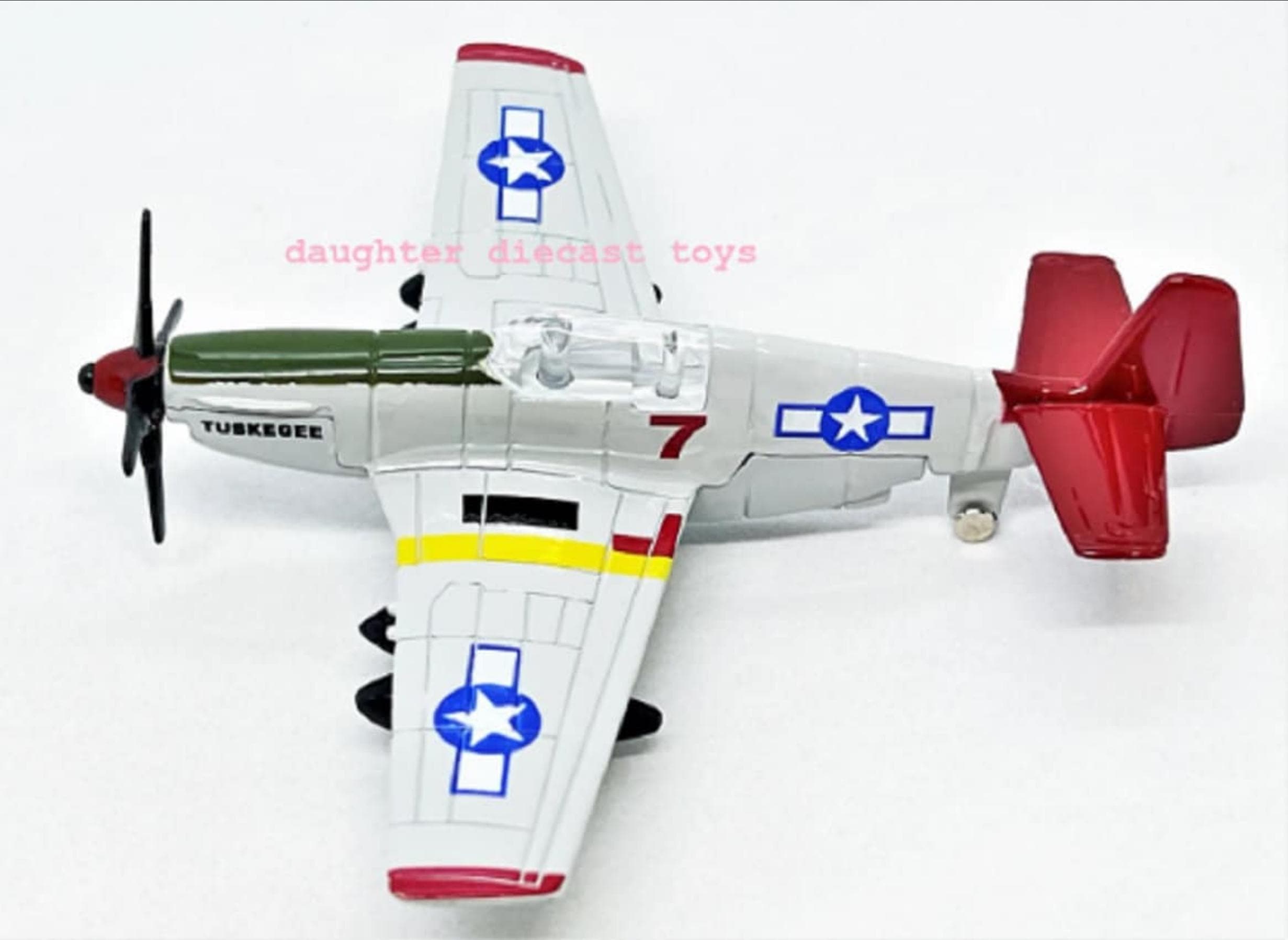
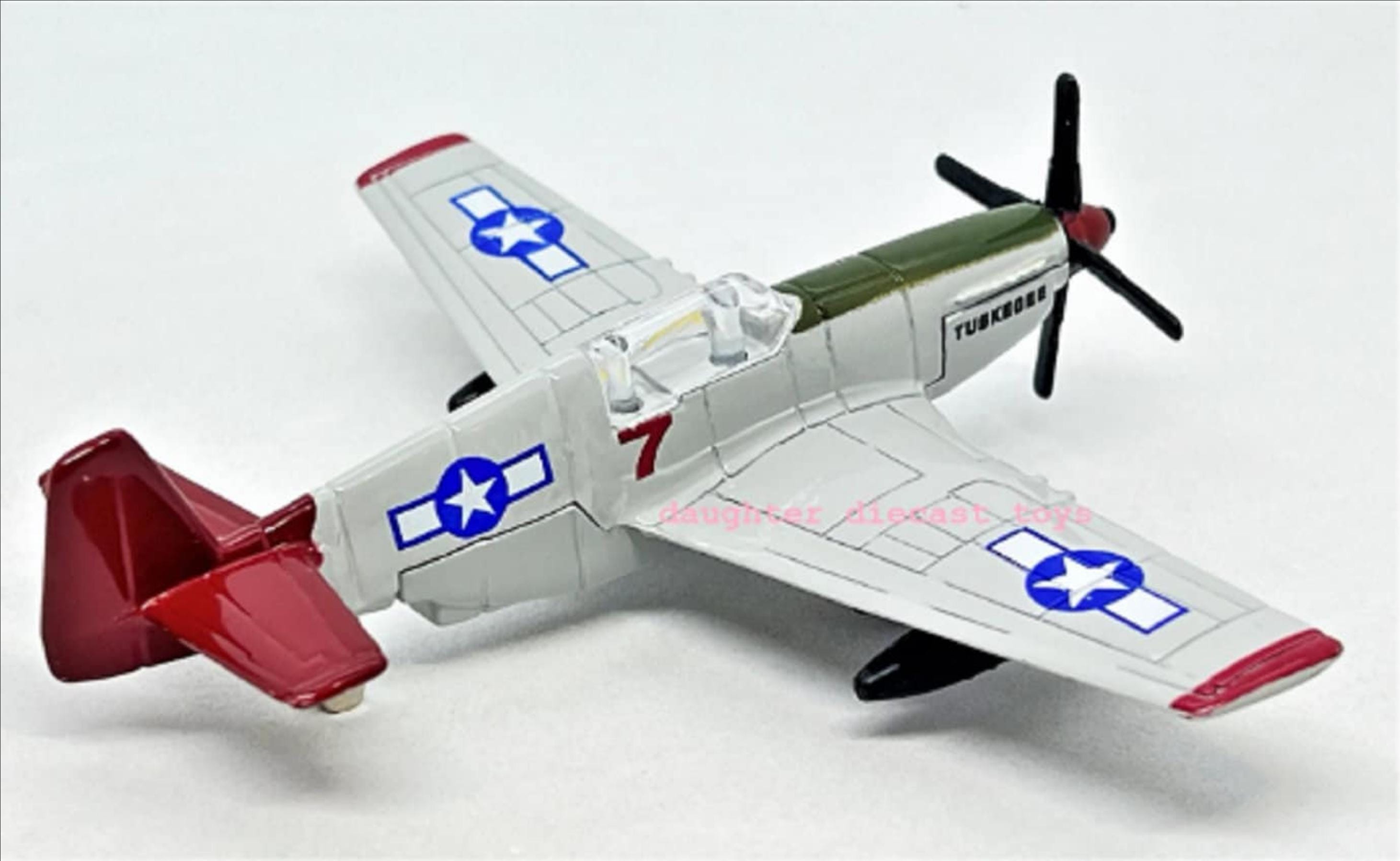
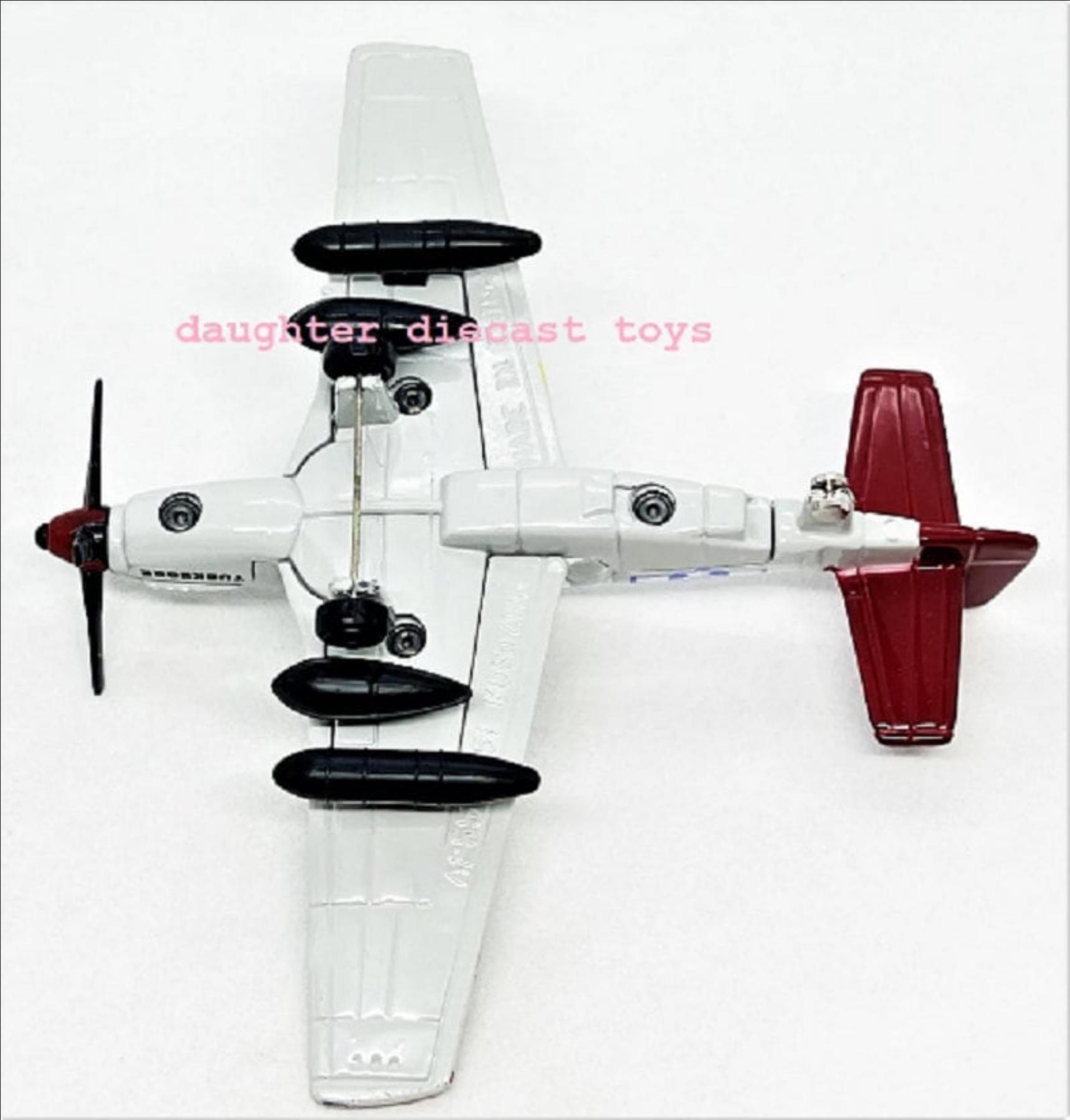
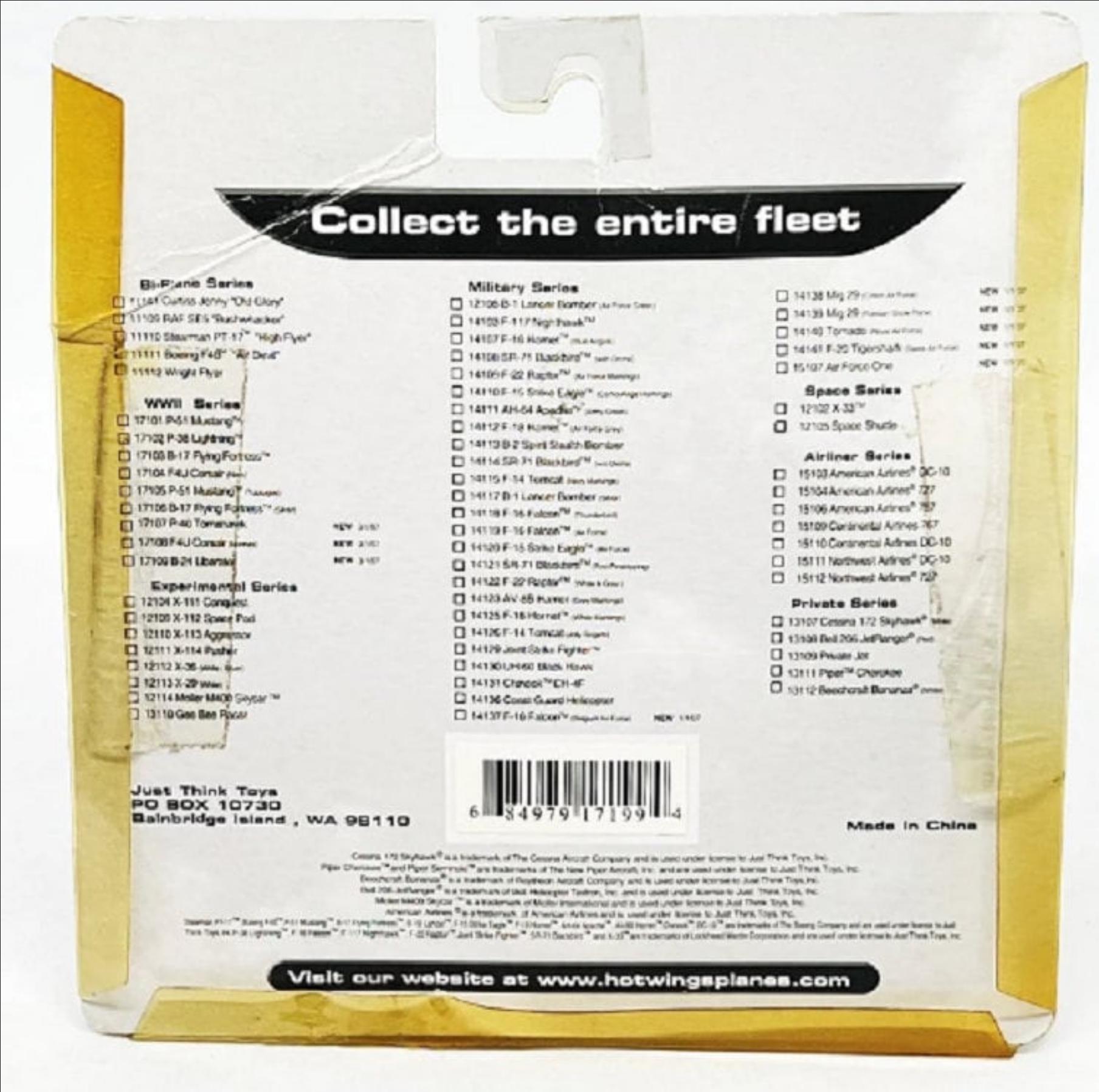
on Card! - Perfect Gift for Collectors & History Buffs!Truly beautiful/highly-detailed-TUSKEGEE AIRMEN P-51 MUSTANG 1940's WWII Airplane. Adult collector-made of heavy weight diecast metal with plastic bombs-made by Just think Toys. Scale=1:72, measures 4 1/4"L x 4 3/4"W x 1 1/2"H. Pristine/mint condition model never removed from its factory sealed card (until today for our photos). The perfect gift for vintage aircraft fans, toy collectors, and veterans! We ship fast & safe worldwide every day. See Tuskegee Airmen & Aircraft Bio below....Note: My dad owned a Diecast toy store for 30 years. I inherited the store inventory when he passed away several years ago. I am (just now) able to bring myself to begin selling his cars-so they can be shared with the world. All pristine and mint condition vintage models will (eventually) be listed here on ETSY. All the inventory is NEW (vintage) merchandise-which was intended for retail sale. Please know-our diecast toys have NEVER been "played-with” we do not sell used, or damaged toys.
•
•
•FOR A LIMITED TIME
•
•
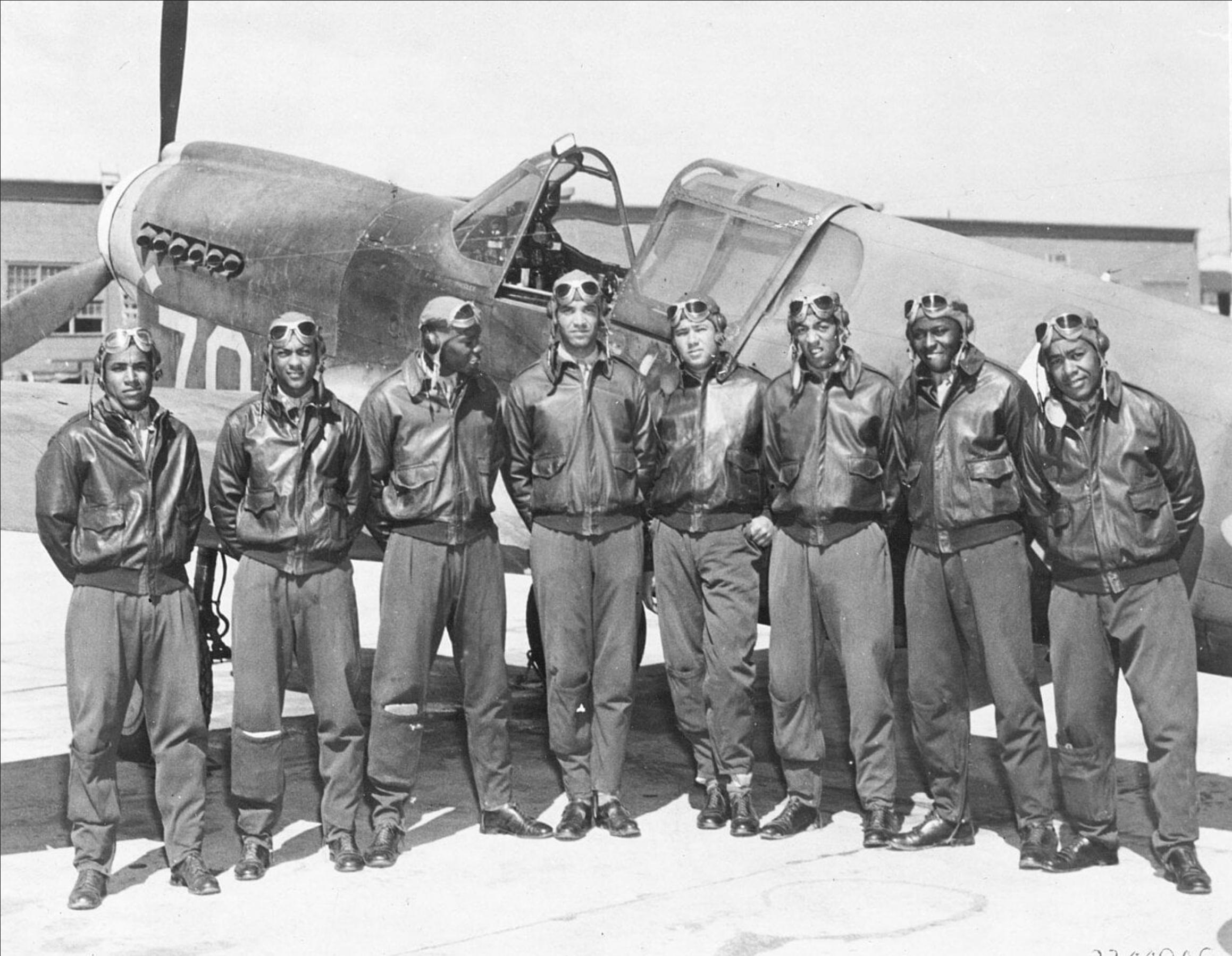
•Purchases totaling $35 and above qualify for FREE shipping to USA! Add more items to your Etsy shopping cart to save $$$.The Tuskegee Airmen /tʌsˈkiːɡiː/[1] were a group of African American military pilots (fighter and bomber) and airmen who fought in World War II. They formed the 332nd Fighter Group and the 477th Bombardment Group (Medium) of the United States Army Air Forces (USAAF). The name also applies to the navigators, bombardiers, mechanics, instructors, crew chiefs, nurses, cooks, and other support personnel. The Tuskegee airmen received praise for their excellent combat record earned while protecting white American bombers from enemy fighters. The group was awarded three Distinguished Unit Citations.All black military pilots who trained in the United States trained at Griel Field, Kennedy Field, Moton Field, Shorter Field, and the Tuskegee Army Air Fields.[2] They were educated at the Tuskegee Institute (now Tuskegee University), located near Tuskegee, Alabama. Of the 922 pilots, five were Haitians from the Haitian Air Force and one pilot was from Trinidad.[3] It also included a Hispanic or Latino airman born in the Dominican Republic.[4]The 99th Pursuit Squadron (later the 99th Fighter Squadron) was the first black flying squadron, and the first to deploy overseas (to North Africa in April 1943, and later to Sicily and other parts of Italy). The 332nd Fighter Group, which originally included the 100th, 301st and 302nd Fighter Squadrons, was the first black flying group. It deployed to Italy in early 1944. Although the 477th Bombardment Group trained with North American B-25 Mitchell bombers, they never served in combat. In June 1944, the 332nd Fighter Group began flying heavy bomber escort missions and, in July 1944, with the addition of the 99th Fighter Squadron, it had four fighter squadrons.The 99th Fighter Squadron was initially equipped with Curtiss P-40 Warhawk fighter-bomber aircraft. The 332nd Fighter Group and its 100th, 301st and 302nd Fighter Squadrons were equipped for initial combat missions with Bell P-39 Airacobras (March 1944), later with Republic P-47 Thunderbolts (June–July 1944) and finally with the aircraft with which they became most commonly associated, the North American P-51 Mustang (July 1944). When the pilots of the 332nd Fighter Group painted the tails of their P-47s red, the nickname "Red Tails" was coined. The red markings that distinguished the Tuskegee Airmen included red bands on the noses of P-51s as well as a red empennage; the P-51B, C and D Mustangs flew with similar color schemes, with red propeller spinners, yellow wing bands and all-red tail surfaces.The Tuskegee Airmen were the first African-American military aviators in the United States Armed Forces. During World War II, black Americans in many U.S. states were still subject to the Jim Crow laws[N 1] and the American military was racially segregated, as was much of the federal government. The Tuskegee Airmen were subjected to discrimination, both within and outside of the army. Aircraft bio:The North American Aviation P-51 Mustang is an American long-range, single-seat fighter and fighter-bomber used during World War II and the Korean War, among other conflicts. The Mustang was designed in April 1940 by a design team headed by James Kindelberger[6] of North American Aviation (NAA) in response to a requirement of the British Purchasing Commission. The Purchasing Commission approached North American Aviation to build Curtiss P-40 fighters under license for the Royal Air Force (RAF). Rather than build an old design from another company, North American Aviation proposed the design and production of a more modern fighter. The prototype NA-73X airframe was rolled out on 9 September 1940, 102 days after the contract was signed, and first flew on 26 October.[7][8]The Mustang was designed to use the Allison V-1710 engine, which had limited high-altitude performance in its earlier variants. The aircraft was first flown operationally by the Royal Air Force (RAF) as a tactical-reconnaissance aircraft and fighter-bomber (Mustang Mk I). Replacing the Allison with a Rolls-Royce Merlin resulted in the P-51B/C (Mustang Mk III) model and transformed the aircraft's performance at altitudes above 15,000 ft (4,600 m) (without sacrificing range),[9] allowing it to compete with the Luftwaffe's fighters.[10] The definitive version, the P-51D, was powered by the Packard V-1650-7, a license-built version of the two-speed two-stage-supercharged Merlin 66, and was armed with six .50 caliber (12.7 mm) AN/M2 Browning machine guns.[11]From late 1943, P-51Bs and P-51Cs (supplemented by P-51Ds from mid-1944) were used by the USAAF's Eighth Air Force to escort bombers in raids over Germany, while the RAF's Second Tactical Air Force and the USAAF's Ninth Air Force used the Merlin-powered Mustangs as fighter-bombers, roles in which the Mustang helped ensure Allied air superiority in 1944.[12] The P-51 was also used by Allied air forces in the North African, Mediterranean, Italian and Pacific theaters. During World War II, Mustang pilots claimed to have destroyed 4,950 enemy aircraft.[nb 1]At the start of the Korean War, the Mustang, by then redesignated F-51, was the main fighter of the United States until jet fighters, including North American's F-86, took over this role; the Mustang then became a specialized fighter-bomber. Despite the advent of jet fighters, the Mustang remained in service with some air forces until the early 1980s. After the Korean War, Mustangs became popular civilian warbirds and air racing aircraft.P-51 Mustang 375th Fighter Squadron North American P-51D-5-NA Mustang 44-13926 (cropped).jpg P-51D of 375th Fighter Squadron, with underwing drop tanks Role Fighter National origin United States Manufacturer North American Aviation First flight 26 October 1940[1] Introduction January 1942 (RAF)[2] Status Retired from military service 1984 (Dominican Air Force)[3] Primary users United States Army Air Forces Royal Air Force Royal New Zealand Air Force Royal Canadian Air Force Number built More than 15,000[4] Unit cost US$50,985 in 1945[5] (equivalent to $590,000 in 2019) Variants North American A-36 Apache Rolls-Royce Mustang Mk.X Cavalier Mustang Developed into North American F-82 Twin Mustang Piper PA-48 Enforcer
on Card! - Perfect Gift for Collectors & History Buffs!Truly beautiful/highly-detailed-TUSKEGEE AIRMEN P-51 MUSTANG 1940's WWII Airplane. Adult collector-made of heavy weight diecast metal with plastic bombs-made by Just think Toys. Scale=1:72, measures 4 1/4"L x 4 3/4"W x 1 1/2"H. Pristine/mint condition model never removed from its factory sealed card (until today for our photos). The perfect gift for vintage aircraft fans, toy collectors, and veterans! We ship fast & safe worldwide every day. See Tuskegee Airmen & Aircraft Bio below....Note: My dad owned a Diecast toy store for 30 years. I inherited the store inventory when he passed away several years ago. I am (just now) able to bring myself to begin selling his cars-so they can be shared with the world. All pristine and mint condition vintage models will (eventually) be listed here on ETSY. All the inventory is NEW (vintage) merchandise-which was intended for retail sale. Please know-our diecast toys have NEVER been "played-with” we do not sell used, or damaged toys.
•
•
•FOR A LIMITED TIME
•
•
•Purchases totaling $35 and above qualify for FREE shipping to USA! Add more items to your Etsy shopping cart to save $$$.The Tuskegee Airmen /tʌsˈkiːɡiː/[1] were a group of African American military pilots (fighter and bomber) and airmen who fought in World War II. They formed the 332nd Fighter Group and the 477th Bombardment Group (Medium) of the United States Army Air Forces (USAAF). The name also applies to the navigators, bombardiers, mechanics, instructors, crew chiefs, nurses, cooks, and other support personnel. The Tuskegee airmen received praise for their excellent combat record earned while protecting white American bombers from enemy fighters. The group was awarded three Distinguished Unit Citations.All black military pilots who trained in the United States trained at Griel Field, Kennedy Field, Moton Field, Shorter Field, and the Tuskegee Army Air Fields.[2] They were educated at the Tuskegee Institute (now Tuskegee University), located near Tuskegee, Alabama. Of the 922 pilots, five were Haitians from the Haitian Air Force and one pilot was from Trinidad.[3] It also included a Hispanic or Latino airman born in the Dominican Republic.[4]The 99th Pursuit Squadron (later the 99th Fighter Squadron) was the first black flying squadron, and the first to deploy overseas (to North Africa in April 1943, and later to Sicily and other parts of Italy). The 332nd Fighter Group, which originally included the 100th, 301st and 302nd Fighter Squadrons, was the first black flying group. It deployed to Italy in early 1944. Although the 477th Bombardment Group trained with North American B-25 Mitchell bombers, they never served in combat. In June 1944, the 332nd Fighter Group began flying heavy bomber escort missions and, in July 1944, with the addition of the 99th Fighter Squadron, it had four fighter squadrons.The 99th Fighter Squadron was initially equipped with Curtiss P-40 Warhawk fighter-bomber aircraft. The 332nd Fighter Group and its 100th, 301st and 302nd Fighter Squadrons were equipped for initial combat missions with Bell P-39 Airacobras (March 1944), later with Republic P-47 Thunderbolts (June–July 1944) and finally with the aircraft with which they became most commonly associated, the North American P-51 Mustang (July 1944). When the pilots of the 332nd Fighter Group painted the tails of their P-47s red, the nickname "Red Tails" was coined. The red markings that distinguished the Tuskegee Airmen included red bands on the noses of P-51s as well as a red empennage; the P-51B, C and D Mustangs flew with similar color schemes, with red propeller spinners, yellow wing bands and all-red tail surfaces.The Tuskegee Airmen were the first African-American military aviators in the United States Armed Forces. During World War II, black Americans in many U.S. states were still subject to the Jim Crow laws[N 1] and the American military was racially segregated, as was much of the federal government. The Tuskegee Airmen were subjected to discrimination, both within and outside of the army. Aircraft bio:The North American Aviation P-51 Mustang is an American long-range, single-seat fighter and fighter-bomber used during World War II and the Korean War, among other conflicts. The Mustang was designed in April 1940 by a design team headed by James Kindelberger[6] of North American Aviation (NAA) in response to a requirement of the British Purchasing Commission. The Purchasing Commission approached North American Aviation to build Curtiss P-40 fighters under license for the Royal Air Force (RAF). Rather than build an old design from another company, North American Aviation proposed the design and production of a more modern fighter. The prototype NA-73X airframe was rolled out on 9 September 1940, 102 days after the contract was signed, and first flew on 26 October.[7][8]The Mustang was designed to use the Allison V-1710 engine, which had limited high-altitude performance in its earlier variants. The aircraft was first flown operationally by the Royal Air Force (RAF) as a tactical-reconnaissance aircraft and fighter-bomber (Mustang Mk I). Replacing the Allison with a Rolls-Royce Merlin resulted in the P-51B/C (Mustang Mk III) model and transformed the aircraft's performance at altitudes above 15,000 ft (4,600 m) (without sacrificing range),[9] allowing it to compete with the Luftwaffe's fighters.[10] The definitive version, the P-51D, was powered by the Packard V-1650-7, a license-built version of the two-speed two-stage-supercharged Merlin 66, and was armed with six .50 caliber (12.7 mm) AN/M2 Browning machine guns.[11]From late 1943, P-51Bs and P-51Cs (supplemented by P-51Ds from mid-1944) were used by the USAAF's Eighth Air Force to escort bombers in raids over Germany, while the RAF's Second Tactical Air Force and the USAAF's Ninth Air Force used the Merlin-powered Mustangs as fighter-bombers, roles in which the Mustang helped ensure Allied air superiority in 1944.[12] The P-51 was also used by Allied air forces in the North African, Mediterranean, Italian and Pacific theaters. During World War II, Mustang pilots claimed to have destroyed 4,950 enemy aircraft.[nb 1]At the start of the Korean War, the Mustang, by then redesignated F-51, was the main fighter of the United States until jet fighters, including North American's F-86, took over this role; the Mustang then became a specialized fighter-bomber. Despite the advent of jet fighters, the Mustang remained in service with some air forces until the early 1980s. After the Korean War, Mustangs became popular civilian warbirds and air racing aircraft.P-51 Mustang 375th Fighter Squadron North American P-51D-5-NA Mustang 44-13926 (cropped).jpg P-51D of 375th Fighter Squadron, with underwing drop tanks Role Fighter National origin United States Manufacturer North American Aviation First flight 26 October 1940[1] Introduction January 1942 (RAF)[2] Status Retired from military service 1984 (Dominican Air Force)[3] Primary users United States Army Air Forces Royal Air Force Royal New Zealand Air Force Royal Canadian Air Force Number built More than 15,000[4] Unit cost US$50,985 in 1945[5] (equivalent to $590,000 in 2019) Variants North American A-36 Apache Rolls-Royce Mustang Mk.X Cavalier Mustang Developed into North American F-82 Twin Mustang Piper PA-48 Enforcer
Other Products