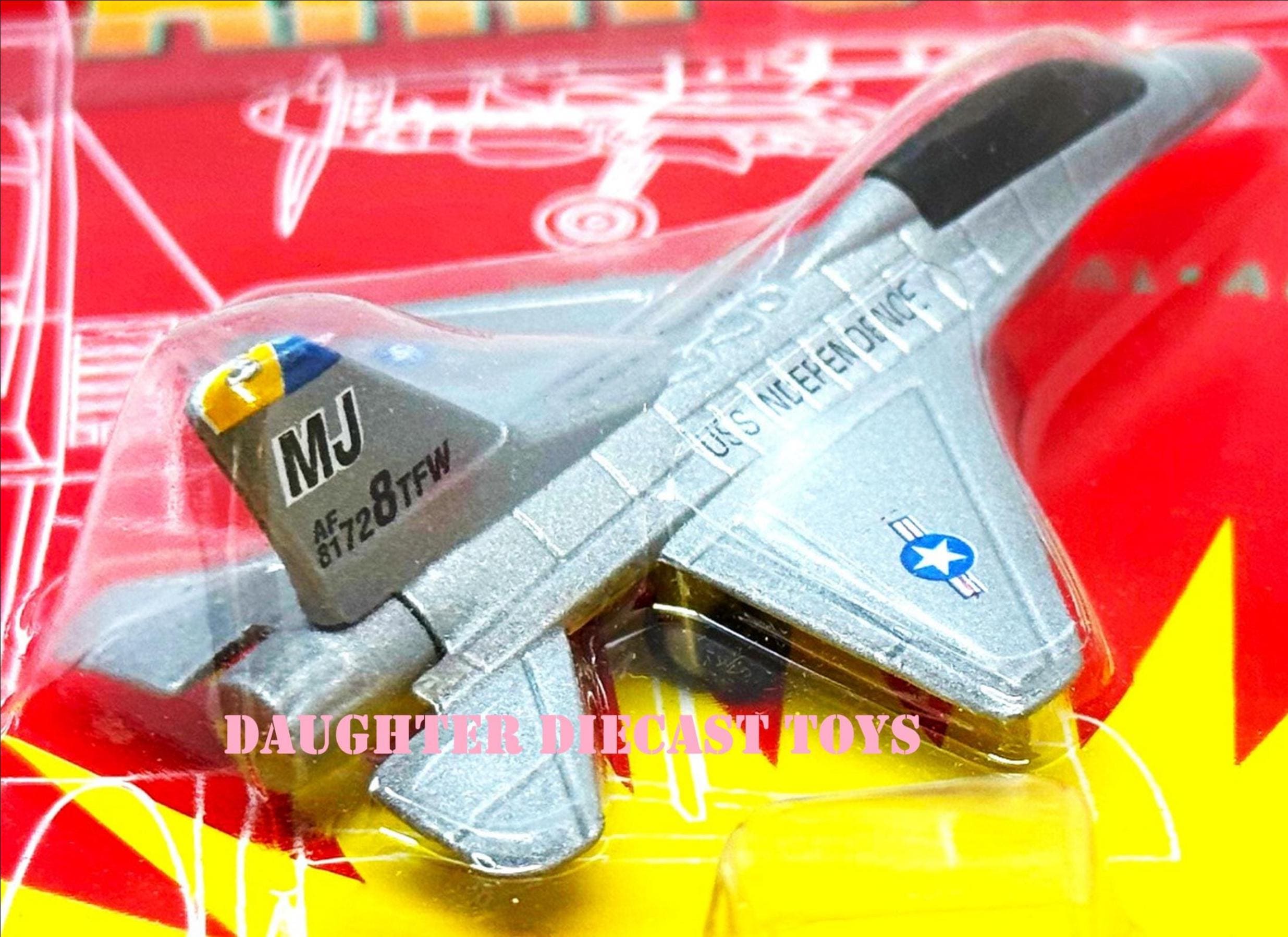

Vintage USAF EF-111A RAVEN Electronic Warfare Jet Diecast Metal Airplane Mint Condition/Factory Sealed! Zlymex Zee Toy Perfect gift!
$ 29.99

Vintage USAF EF-111A RAVEN Electronic Warfare Jet- Diecast Metal Airplane Mint
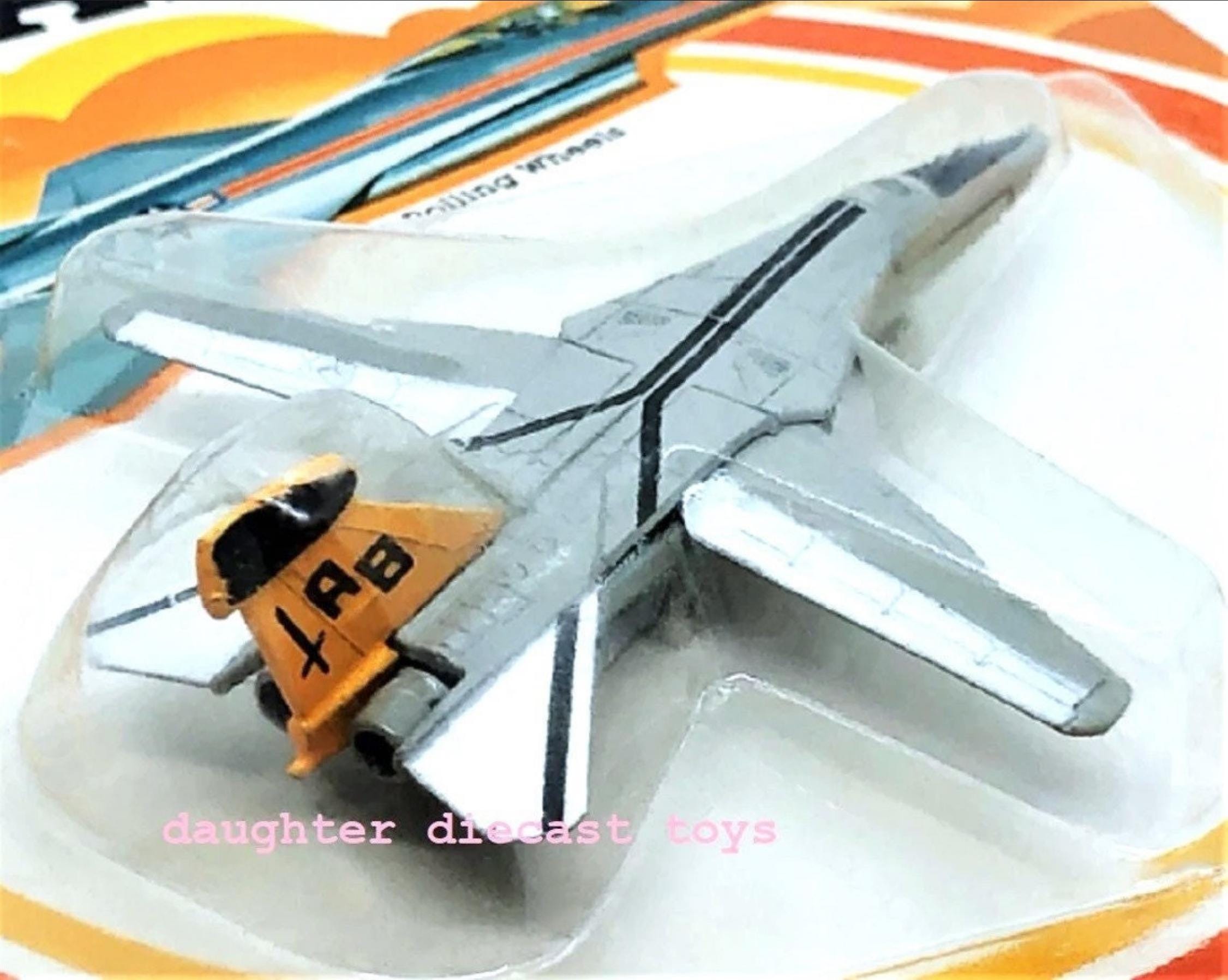
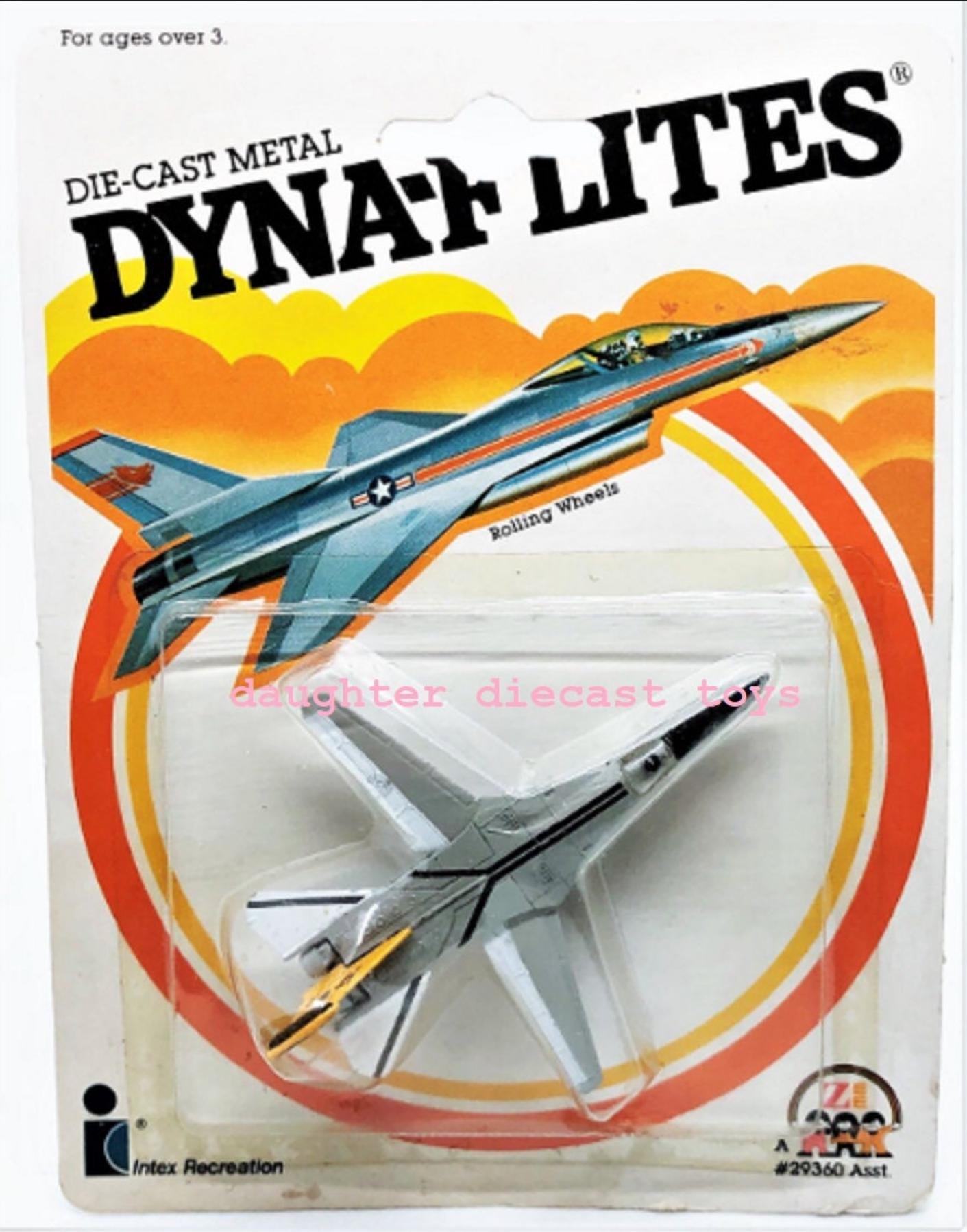
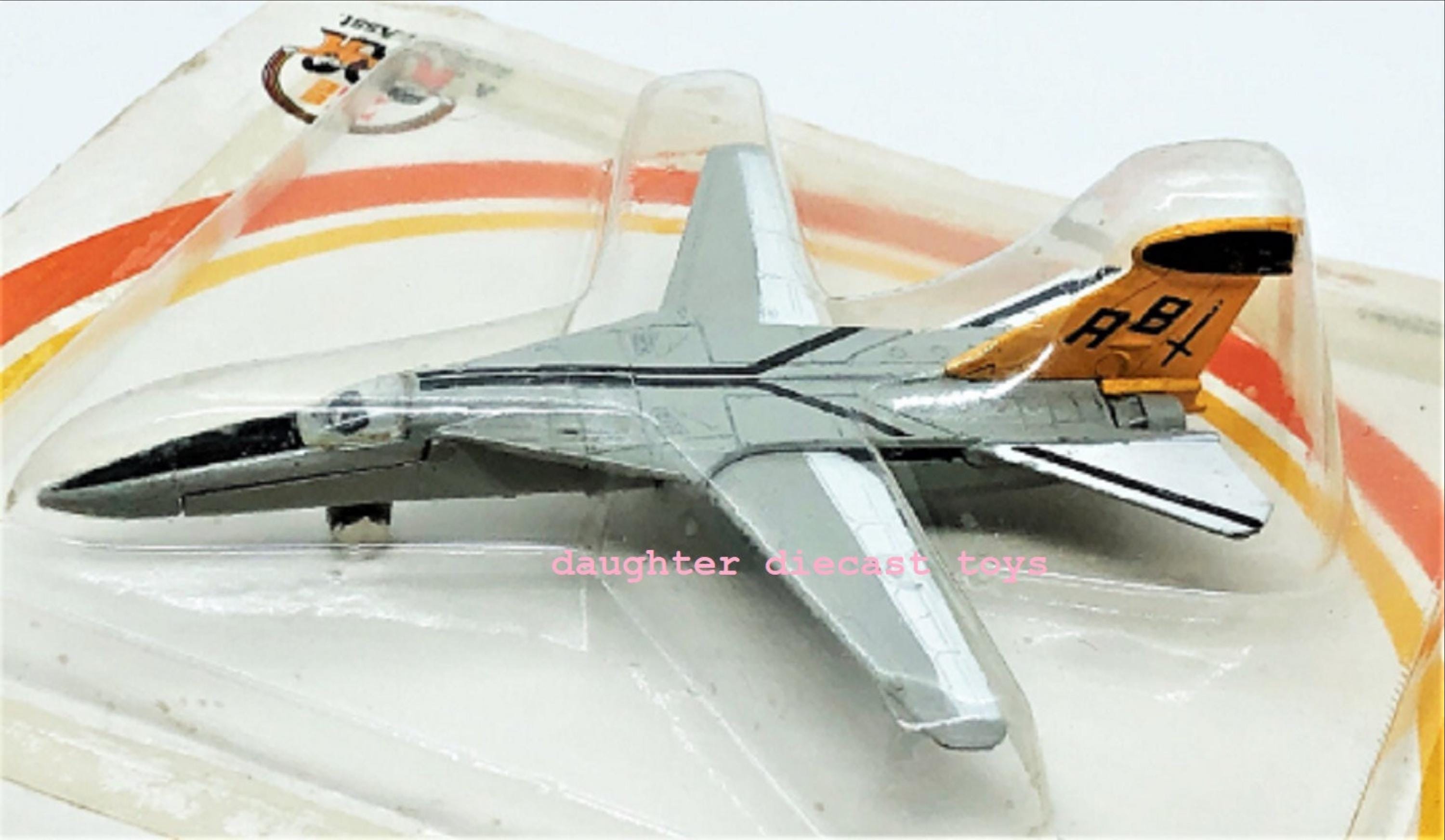
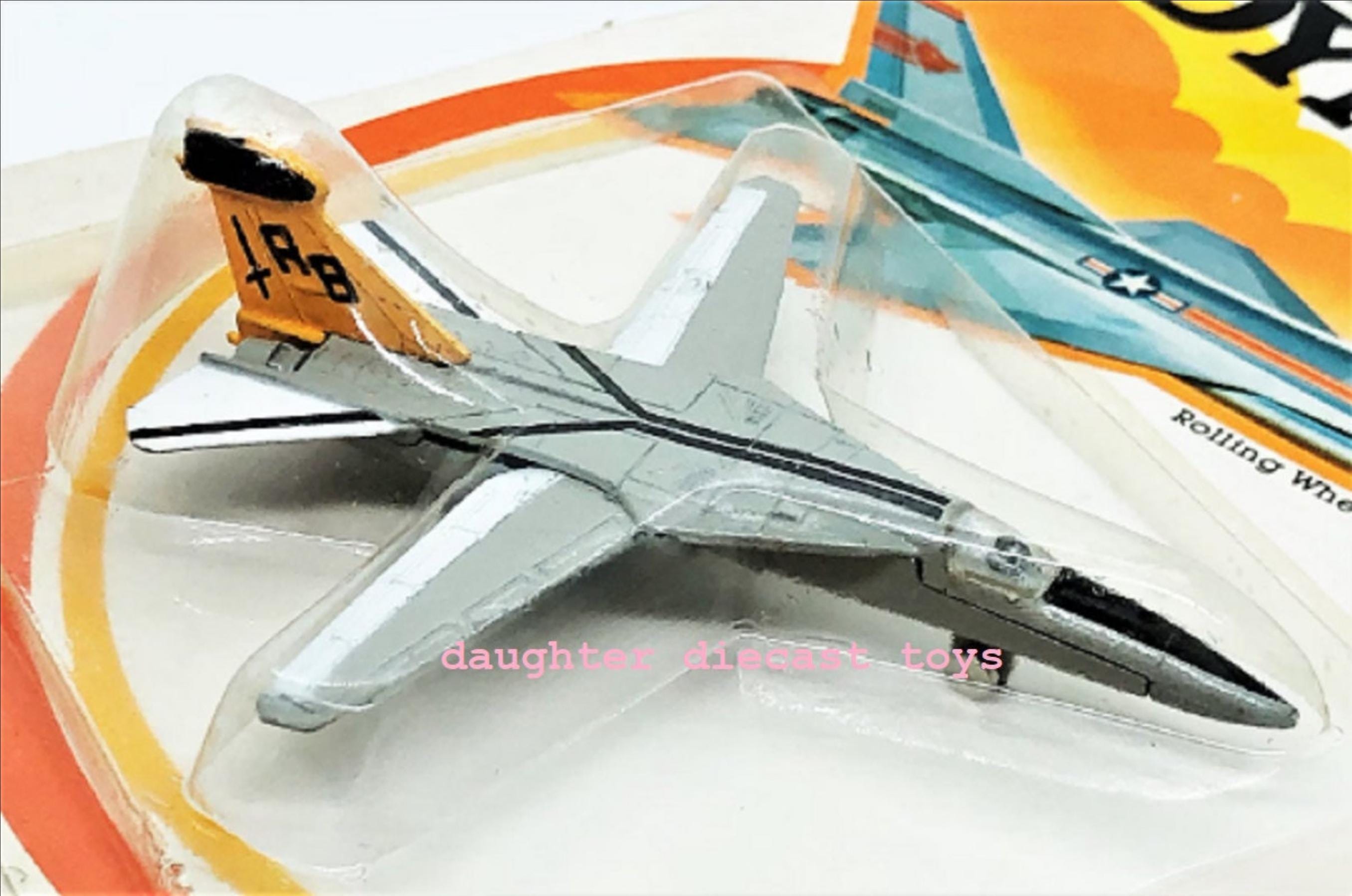
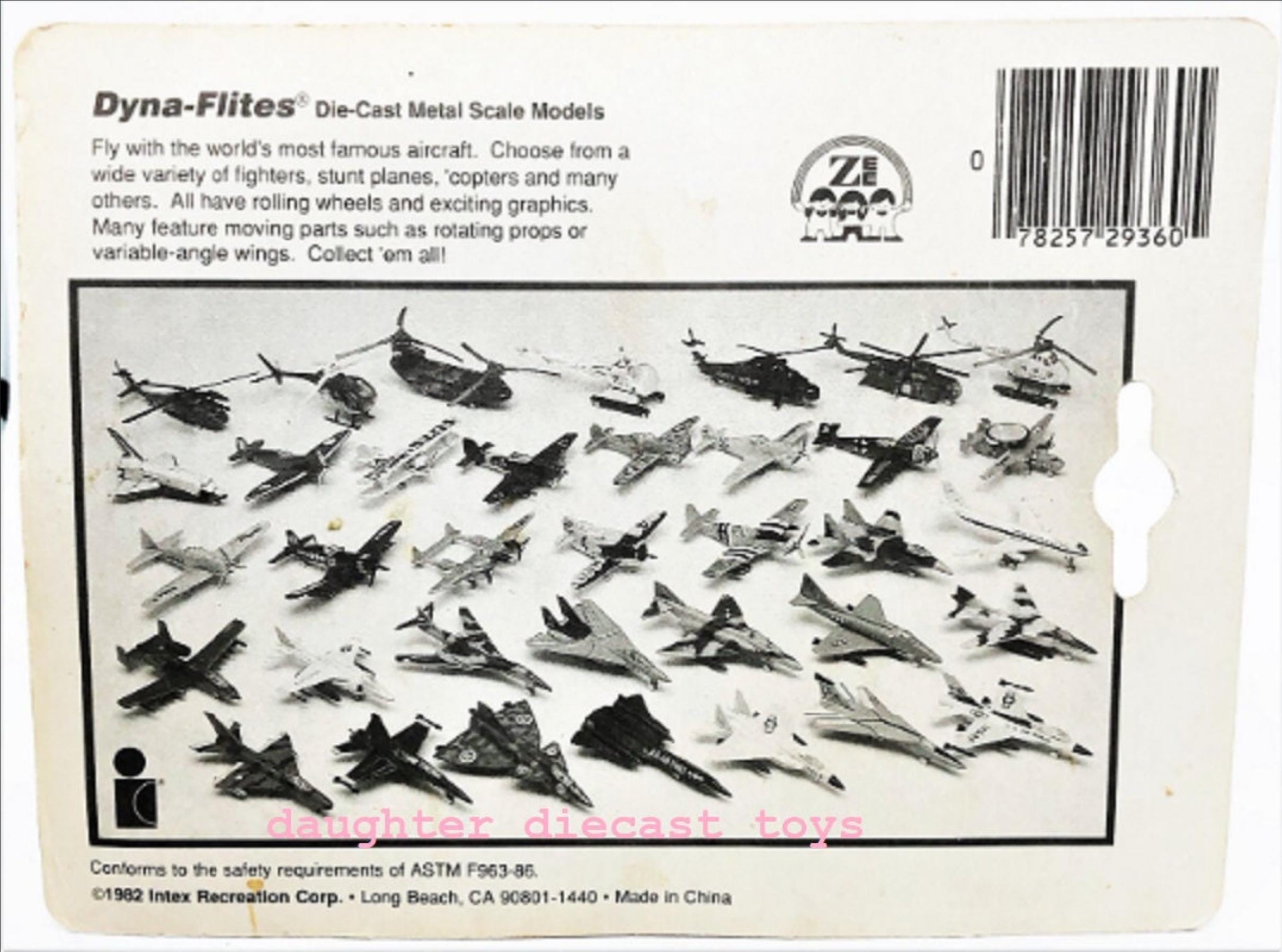
Condition/Factory Sealed! Zlymex Zee Toy Perfect gift for collectors!Awesome! USAF EF-111A RAVEN Electronic Warefare Jet (see bio below). Made by Zee Toys/constructed of die cast metal. Highly sought-after, hard to find vintage model! Measures 3 1/2"L x 3 "W x 1 "H. Beautiful/pristine condition model. Never removed from its factory-sealed card. Perfect gift for ZEE, aircraft, and vintage toy collectors! We ship fast & safe worldwide every day!Note: My dad owned a Diecast toy store for 30 years. I inherited the store inventory when he passed away several years ago. I am (just now) able to bring myself to begin selling his cars-so they can be shared with the world. All pristine and mint condition vintage models will (eventually) be listed here on ETSY. All the inventory is NEW (vintage) merchandise-which was intended for retail sale. Please know-our diecast toys have NEVER been "played-with” we do not sell used, or damaged toys.
•
•
•FOR A LIMITED TIME
•
•
•Purchases totaling $35 and above qualify for FREE shipping to USA! Add more items to your Etsy shopping cart to save $$$.AIRCRAFT BIO:The EF-111A Raven electronic warfare variant. Role Electronic warfare Manufacturer General Dynamics, conversion by Grumman First flight 10 March 1977 Introduction 1983 Retired 1998 Status Retired Primary user United States Air Force Number built 42 Unit cost US$15 million, plus $25 million each for conversion[1] Developed from General Dynamics F-111 AardvarkDesign and developmentIn the late 1960s, the U.S. Air Force sought to replace its aging EB-66 and EB-57 electronic warfare aircraft. The Air Force studied the use of Navy EA-6B Prowlers during 1967–1968.[3] However, the Air Force desired a penetrating electronic jamming aircraft with supersonic speed,[2][3] and, in 1972, decided to modify F-111As into electronic warfare aircraft as a cost-effective option.[4]In January 1974, the Air Force awarded electronic warfare study contracts to Grumman and General Dynamics.[2] Grumman was selected as the EF-111 prime contractor in December 1974, then was awarded a contract to modify two F-111As into EF-111 prototypes in January 1975.[4] The first fully equipped model, known then as the "Electric Fox", flew on 10 March 1977. A total of 42 airframes were converted at a total cost of US$1.5 billion. The first EF-111s were deployed in November 1981 to the 388th Tactical Electronic Squadron, Mountain Home AFB, Idaho.[5] The last was delivered in 1985.[1] An EF-111A Raven in the foreground with a tail-mounted receiving pod and an underside-mounted transmitting pod, accompanied by an F-111FThe Raven retained the F-111A's navigation systems, with a revised AN/APQ-160 radar primarily for ground mapping. The primary feature of the Raven, however, was the AN/ALQ-99E jamming system, developed from the Navy's ALQ-99 on the Prowler. The aircraft also utilized the ALR-62 Countermeasures Receiving System (CRS) as a Radar Homing and Warning (RHAW) System, the same system carried by all F-111 fighter/bomber models in the United States and Australia. The ALQ-99E primary electronics were installed in the weapons bay, with transmitters fitted in a 16 feet (4.9 m) long ventral "canoe" radome; the complete installation weighed some 6,000 pounds (2,700 kg). Receivers were installed in a fin-tip pod, or "football", similar to that of the EA-6B. The aircraft's electrical and cooling systems had to be extensively upgraded to support this equipment. The cockpit was also rearranged, with all flight and navigation displays relocated to the pilot's side, and flight controls except throttles being removed from the other seat, where the electronic warfare officer's instrumentation and controls were installed.The EF-111 was unarmed. Its speed and acceleration were its main means of self-defense. It was not capable of firing anti-radiation missiles in the Suppression of Enemy Air Defenses (SEAD) role, which was a tactical limitation. The Raven's engines were upgraded to the more powerful TF30-P-9 of the D-model, with 12,000 pounds-force (53 kN) dry and 19,600 lbf (87 kN) afterburning thrust[6] in 1986.[7] From 1987 to 1994 the "Spark 'Vark" underwent an Avionics Modernization Program (AMP), similar to the Pacer Strike program for the F-model. This added a dual AN/ASN-41 ring laser gyroscope INS, AN/APN-218 Doppler radar, and an updated AN/APQ-146 terrain-following radar. Cockpit displays were upgraded with multi-function displays. Operational history An EF-111 flies over the Alps during Operation Deny FlightThe EF-111A achieved initial operational capability in 1983.[8] The EF-111A received the official popular name Raven, although in service it acquired the nickname "Spark 'Vark". EF-111s first saw combat use with the 20th Tactical Fighter Wing at RAF Upper Heyford during Operation El Dorado Canyon against Libya in 1986, and Operation Just Cause in Panama during late 1989.[9]The Raven served in the Gulf War during Operation Desert Storm in 1991. On 17 January 1991, a USAF EF-111 crew of Captain James Denton and Captain Brent Brandon achieved an unofficial kill against an Iraqi Dassault Mirage F1, which they managed to maneuver into the ground, making it the only member of the F-111/FB-111/EF-111 family to achieve an aerial victory over another aircraft.[1][10] However, a recent article has cast doubt on this as the only Iraqi Mirage F1 in the air that night returned safely to base and its pilot reported that he shot down the EF-111, the same EF-111 that crashed later on 13 February 1991.[11] No Coalition aircraft were lost to a radar-guided missile during Desert Storm while an EF-111 Raven was on station.On 13 February 1991, EF-111A, AF Ser. No. 66-0023, call sign Ratchet 75, crashed[12] into terrain while maneuvering to evade a perceived threat.[13][14] killing the pilot, Capt Douglas L. Bradt, and the EWO, Capt Paul R. Eichenlaub. It was the only EF-111A lost during combat, the only loss killing its crew, and one of just three EF-111s lost during the aircraft's service.[15] However, it is disputed whether there was an enemy present at the time, as two F-15Es watched Ratchet 75 make violent evasive maneuvers and crash into the ground, with no hostile aircraft in the area.
Condition/Factory Sealed! Zlymex Zee Toy Perfect gift for collectors!Awesome! USAF EF-111A RAVEN Electronic Warefare Jet (see bio below). Made by Zee Toys/constructed of die cast metal. Highly sought-after, hard to find vintage model! Measures 3 1/2"L x 3 "W x 1 "H. Beautiful/pristine condition model. Never removed from its factory-sealed card. Perfect gift for ZEE, aircraft, and vintage toy collectors! We ship fast & safe worldwide every day!Note: My dad owned a Diecast toy store for 30 years. I inherited the store inventory when he passed away several years ago. I am (just now) able to bring myself to begin selling his cars-so they can be shared with the world. All pristine and mint condition vintage models will (eventually) be listed here on ETSY. All the inventory is NEW (vintage) merchandise-which was intended for retail sale. Please know-our diecast toys have NEVER been "played-with” we do not sell used, or damaged toys.
•
•
•FOR A LIMITED TIME
•
•
•Purchases totaling $35 and above qualify for FREE shipping to USA! Add more items to your Etsy shopping cart to save $$$.AIRCRAFT BIO:The EF-111A Raven electronic warfare variant. Role Electronic warfare Manufacturer General Dynamics, conversion by Grumman First flight 10 March 1977 Introduction 1983 Retired 1998 Status Retired Primary user United States Air Force Number built 42 Unit cost US$15 million, plus $25 million each for conversion[1] Developed from General Dynamics F-111 AardvarkDesign and developmentIn the late 1960s, the U.S. Air Force sought to replace its aging EB-66 and EB-57 electronic warfare aircraft. The Air Force studied the use of Navy EA-6B Prowlers during 1967–1968.[3] However, the Air Force desired a penetrating electronic jamming aircraft with supersonic speed,[2][3] and, in 1972, decided to modify F-111As into electronic warfare aircraft as a cost-effective option.[4]In January 1974, the Air Force awarded electronic warfare study contracts to Grumman and General Dynamics.[2] Grumman was selected as the EF-111 prime contractor in December 1974, then was awarded a contract to modify two F-111As into EF-111 prototypes in January 1975.[4] The first fully equipped model, known then as the "Electric Fox", flew on 10 March 1977. A total of 42 airframes were converted at a total cost of US$1.5 billion. The first EF-111s were deployed in November 1981 to the 388th Tactical Electronic Squadron, Mountain Home AFB, Idaho.[5] The last was delivered in 1985.[1] An EF-111A Raven in the foreground with a tail-mounted receiving pod and an underside-mounted transmitting pod, accompanied by an F-111FThe Raven retained the F-111A's navigation systems, with a revised AN/APQ-160 radar primarily for ground mapping. The primary feature of the Raven, however, was the AN/ALQ-99E jamming system, developed from the Navy's ALQ-99 on the Prowler. The aircraft also utilized the ALR-62 Countermeasures Receiving System (CRS) as a Radar Homing and Warning (RHAW) System, the same system carried by all F-111 fighter/bomber models in the United States and Australia. The ALQ-99E primary electronics were installed in the weapons bay, with transmitters fitted in a 16 feet (4.9 m) long ventral "canoe" radome; the complete installation weighed some 6,000 pounds (2,700 kg). Receivers were installed in a fin-tip pod, or "football", similar to that of the EA-6B. The aircraft's electrical and cooling systems had to be extensively upgraded to support this equipment. The cockpit was also rearranged, with all flight and navigation displays relocated to the pilot's side, and flight controls except throttles being removed from the other seat, where the electronic warfare officer's instrumentation and controls were installed.The EF-111 was unarmed. Its speed and acceleration were its main means of self-defense. It was not capable of firing anti-radiation missiles in the Suppression of Enemy Air Defenses (SEAD) role, which was a tactical limitation. The Raven's engines were upgraded to the more powerful TF30-P-9 of the D-model, with 12,000 pounds-force (53 kN) dry and 19,600 lbf (87 kN) afterburning thrust[6] in 1986.[7] From 1987 to 1994 the "Spark 'Vark" underwent an Avionics Modernization Program (AMP), similar to the Pacer Strike program for the F-model. This added a dual AN/ASN-41 ring laser gyroscope INS, AN/APN-218 Doppler radar, and an updated AN/APQ-146 terrain-following radar. Cockpit displays were upgraded with multi-function displays. Operational history An EF-111 flies over the Alps during Operation Deny FlightThe EF-111A achieved initial operational capability in 1983.[8] The EF-111A received the official popular name Raven, although in service it acquired the nickname "Spark 'Vark". EF-111s first saw combat use with the 20th Tactical Fighter Wing at RAF Upper Heyford during Operation El Dorado Canyon against Libya in 1986, and Operation Just Cause in Panama during late 1989.[9]The Raven served in the Gulf War during Operation Desert Storm in 1991. On 17 January 1991, a USAF EF-111 crew of Captain James Denton and Captain Brent Brandon achieved an unofficial kill against an Iraqi Dassault Mirage F1, which they managed to maneuver into the ground, making it the only member of the F-111/FB-111/EF-111 family to achieve an aerial victory over another aircraft.[1][10] However, a recent article has cast doubt on this as the only Iraqi Mirage F1 in the air that night returned safely to base and its pilot reported that he shot down the EF-111, the same EF-111 that crashed later on 13 February 1991.[11] No Coalition aircraft were lost to a radar-guided missile during Desert Storm while an EF-111 Raven was on station.On 13 February 1991, EF-111A, AF Ser. No. 66-0023, call sign Ratchet 75, crashed[12] into terrain while maneuvering to evade a perceived threat.[13][14] killing the pilot, Capt Douglas L. Bradt, and the EWO, Capt Paul R. Eichenlaub. It was the only EF-111A lost during combat, the only loss killing its crew, and one of just three EF-111s lost during the aircraft's service.[15] However, it is disputed whether there was an enemy present at the time, as two F-15Es watched Ratchet 75 make violent evasive maneuvers and crash into the ground, with no hostile aircraft in the area.
Other Products