Vintage USAF C-47 TRANSPORT WWII/Korean War- Adult Collector Model-Diecast Metal Airplane/Pristine Condition! Perfect Gift for History Buffs
$ 34.99

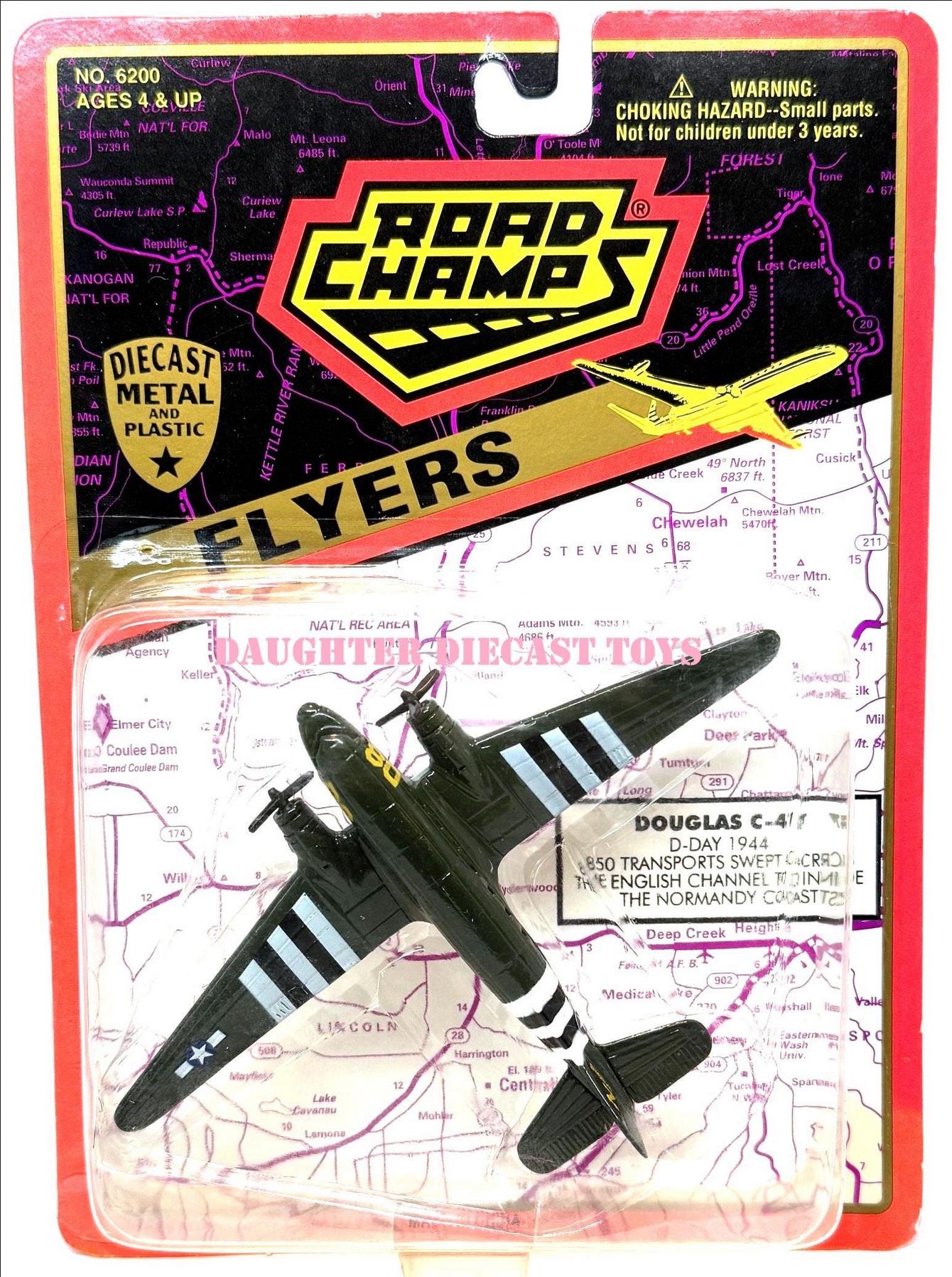
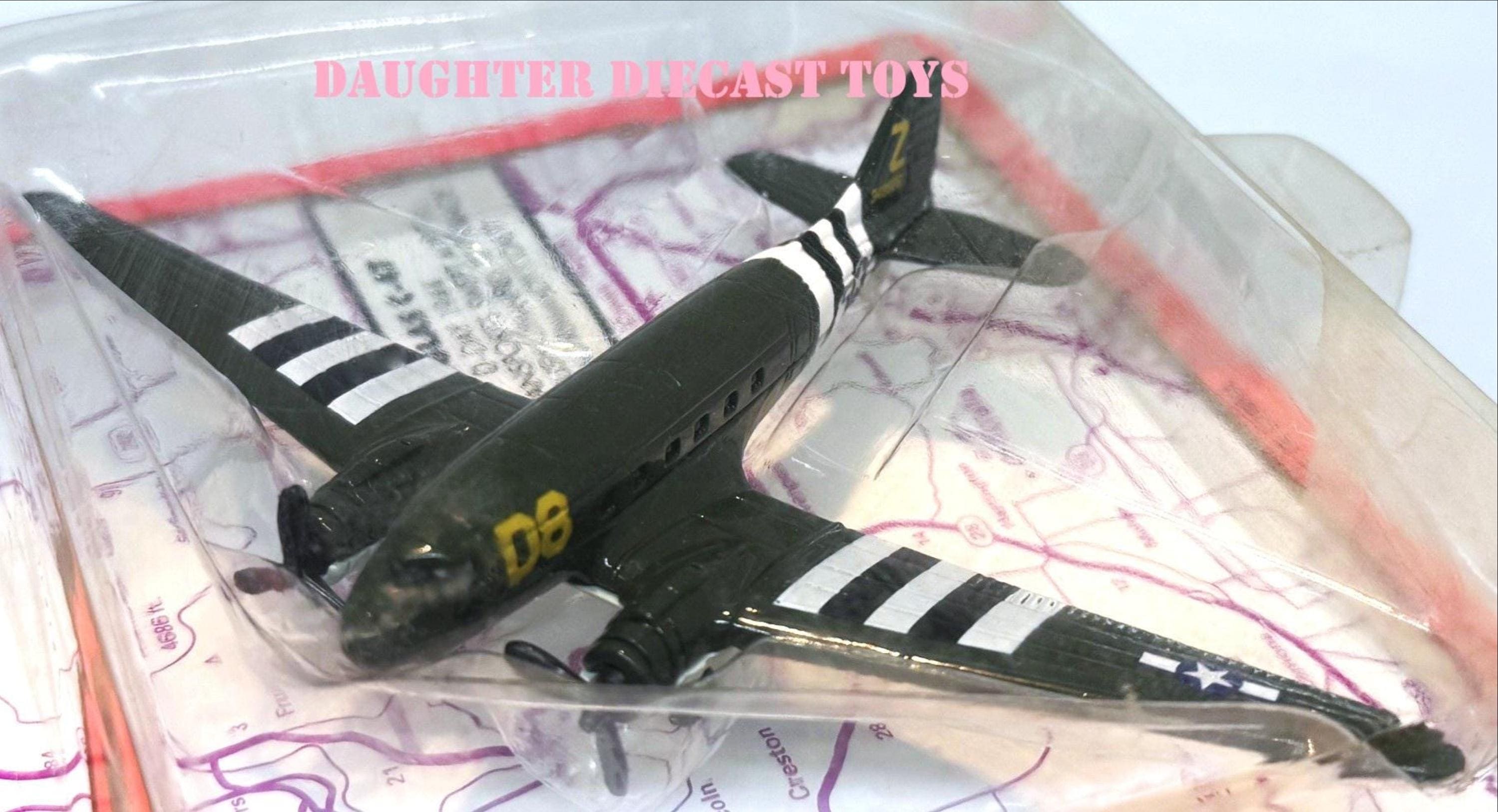
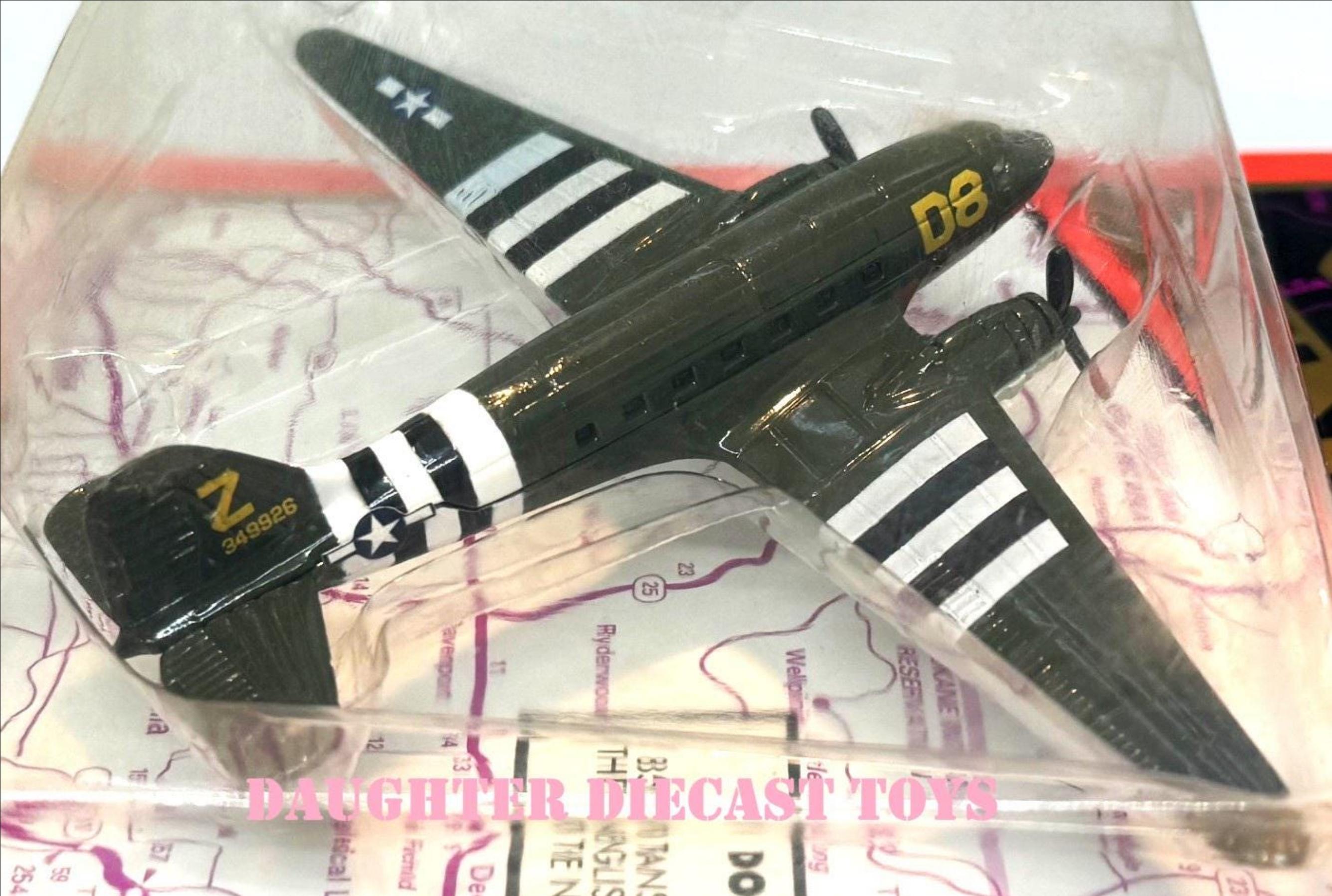
Vintage USAAF C-47 TRANSPORT WWII D-DAY STRIPES- Adult Collector Model-Diecast
Metal Airplane/Pristine Condition! Perfect Gift for History Buffs!Awesome! Vintage USAF C-47 TRANSPORT Plane. Adult collector-constructed of heavy-weight die cast metal, made by Road Champs. Beautifully detailed, highly sought-after, modeled after aircraft used by The USAAF during WWII and painted with D-Day Stripes! Measures 4"L x 5 1/2"W x 1"H (mounted on rolling wheels). Pristine condition-this model has never been removed from its original factory sealed package. Perfect gift for vintage aircraft lovers, vintage toy and fans of aviation history (like me!). We ship fast & save worldwide. Read plane bio below....
•
•
•FOR A LIMITED TIME
•
•
•Purchases totaling $35 and above qualify for FREE shipping to USA! Add more items to your Etsy shopping cart to save $$$.NOTE: My dad owned a Diecast toy store for 30 years. I inherited the store inventory when he passed away many years ago. I am just now, beginning to sell the mint condition vintage models. All are store-inventory is new-old-stock, models have never been "played with". Please visit often-as I am adding more cool stuff every day!AIRCRAFT BIO: Design and developmentThe C-47 differed from the civilian DC-3 in numerous modifications, including being fitted with a cargo door, hoist attachment, and strengthened floor, along with a shortened tail cone for glider-towing shackles, and an astrodome in the cabin roof.[3][4]During World War II, the armed forces of many countries used the C-47 and modified DC-3s for the transport of troops, cargo, and wounded. The U.S. naval designation was R4D. More than 10,000 aircraft were produced in Long Beach and Santa Monica, California and Oklahoma City, Oklahoma. Between March 1943 and August 1945, the Oklahoma City plant produced 5,354 C-47s.[2][5]The specialized C-53 Skytrooper troop transport started production in October 1941 at Douglas Aircraft's Santa Monica plant. It lacked the cargo door, hoist attachment, and reinforced floor of the C-47. Only 380 aircraft were produced in all because the C-47 was found to be more versatile.Operational historyWorld War II/Korea U.S. Army Pathfinders and USAAF flight crew prior to D-Day, June 1944, in front of a C-47 Skytrain at RAF North WithamThe C-47 was vital to the success of many Allied campaigns, in particular, those at Guadalcanal and in the jungles of New Guinea and Burma, where the C-47 and its naval version, the R4D, made it possible for Allied troops to counter the mobility of the light-traveling Japanese Army. C-47s were used to airlift supplies to the encircled American forces during the Battle of Bastogne in Belgium. Possibly its most influential role in military aviation, however, was flying "The Hump" from India into China. The expertise gained flying "The Hump" was later used in the Berlin Airlift, in which the C-47 played a major role until the aircraft were replaced by Douglas C-54 Skymasters.[citation needed]In Europe, the C-47 and a specialized paratroop variant, the C-53 Skytrooper, were used in vast numbers in the later stages of the war, particularly to tow gliders and drop paratroops. During the invasion of Sicily in July 1943, C-47s dropped 4,381 Allied paratroops. More than 50,000 paratroops were dropped by C-47s during the first few days of the D-Day campaign also known as the invasion of Normandy, France, in June 1944.[6] In the Pacific War, with careful use of the island landing strips of the Pacific Ocean, C-47s were used for ferrying soldiers serving in the Pacific theater back to the United States. C-47s unloading at Tempelhof Airport during the Berlin AirliftAbout 2,000 C-47s (received under Lend-Lease) in British and Commonwealth service took the name "Dakota", possibly inspired by the acronym "DACoTA" for Douglas Aircraft Company Transport Aircraft.[7]The C-47 also earned the informal nickname "gooney bird" in the European theatre of operations.[8] Other sources[9] attribute this name to the first aircraft, a USMC R2D—the military version of the DC-2—being the first aircraft to land on Midway Island, previously home to the long-winged albatross known as the gooney bird which was native to Midway. Postwar eraThe United States Air Force's Strategic Air Command had Skytrains in service from 1946 through 1967. The US Air Force's 6th Special Operations Squadron was flying the C-47 until 2008.yed.[8]
Metal Airplane/Pristine Condition! Perfect Gift for History Buffs!Awesome! Vintage USAF C-47 TRANSPORT Plane. Adult collector-constructed of heavy-weight die cast metal, made by Road Champs. Beautifully detailed, highly sought-after, modeled after aircraft used by The USAAF during WWII and painted with D-Day Stripes! Measures 4"L x 5 1/2"W x 1"H (mounted on rolling wheels). Pristine condition-this model has never been removed from its original factory sealed package. Perfect gift for vintage aircraft lovers, vintage toy and fans of aviation history (like me!). We ship fast & save worldwide. Read plane bio below....
•
•
•FOR A LIMITED TIME
•
•
•Purchases totaling $35 and above qualify for FREE shipping to USA! Add more items to your Etsy shopping cart to save $$$.NOTE: My dad owned a Diecast toy store for 30 years. I inherited the store inventory when he passed away many years ago. I am just now, beginning to sell the mint condition vintage models. All are store-inventory is new-old-stock, models have never been "played with". Please visit often-as I am adding more cool stuff every day!AIRCRAFT BIO: Design and developmentThe C-47 differed from the civilian DC-3 in numerous modifications, including being fitted with a cargo door, hoist attachment, and strengthened floor, along with a shortened tail cone for glider-towing shackles, and an astrodome in the cabin roof.[3][4]During World War II, the armed forces of many countries used the C-47 and modified DC-3s for the transport of troops, cargo, and wounded. The U.S. naval designation was R4D. More than 10,000 aircraft were produced in Long Beach and Santa Monica, California and Oklahoma City, Oklahoma. Between March 1943 and August 1945, the Oklahoma City plant produced 5,354 C-47s.[2][5]The specialized C-53 Skytrooper troop transport started production in October 1941 at Douglas Aircraft's Santa Monica plant. It lacked the cargo door, hoist attachment, and reinforced floor of the C-47. Only 380 aircraft were produced in all because the C-47 was found to be more versatile.Operational historyWorld War II/Korea U.S. Army Pathfinders and USAAF flight crew prior to D-Day, June 1944, in front of a C-47 Skytrain at RAF North WithamThe C-47 was vital to the success of many Allied campaigns, in particular, those at Guadalcanal and in the jungles of New Guinea and Burma, where the C-47 and its naval version, the R4D, made it possible for Allied troops to counter the mobility of the light-traveling Japanese Army. C-47s were used to airlift supplies to the encircled American forces during the Battle of Bastogne in Belgium. Possibly its most influential role in military aviation, however, was flying "The Hump" from India into China. The expertise gained flying "The Hump" was later used in the Berlin Airlift, in which the C-47 played a major role until the aircraft were replaced by Douglas C-54 Skymasters.[citation needed]In Europe, the C-47 and a specialized paratroop variant, the C-53 Skytrooper, were used in vast numbers in the later stages of the war, particularly to tow gliders and drop paratroops. During the invasion of Sicily in July 1943, C-47s dropped 4,381 Allied paratroops. More than 50,000 paratroops were dropped by C-47s during the first few days of the D-Day campaign also known as the invasion of Normandy, France, in June 1944.[6] In the Pacific War, with careful use of the island landing strips of the Pacific Ocean, C-47s were used for ferrying soldiers serving in the Pacific theater back to the United States. C-47s unloading at Tempelhof Airport during the Berlin AirliftAbout 2,000 C-47s (received under Lend-Lease) in British and Commonwealth service took the name "Dakota", possibly inspired by the acronym "DACoTA" for Douglas Aircraft Company Transport Aircraft.[7]The C-47 also earned the informal nickname "gooney bird" in the European theatre of operations.[8] Other sources[9] attribute this name to the first aircraft, a USMC R2D—the military version of the DC-2—being the first aircraft to land on Midway Island, previously home to the long-winged albatross known as the gooney bird which was native to Midway. Postwar eraThe United States Air Force's Strategic Air Command had Skytrains in service from 1946 through 1967. The US Air Force's 6th Special Operations Squadron was flying the C-47 until 2008.yed.[8]
Other Products