
Vtg SPACE SHUTTLE COLUMBIA-Diecast Metal-Adult Collector Model-Pristine Condition! Vintage Corgi Toy-Perfect Gift for Collectors/Astronauts!
$ 49.99

VINTAGE SPACE SHUTTLE COLUMBIA-Diecast Metal-Adult Collector Model-Pristine
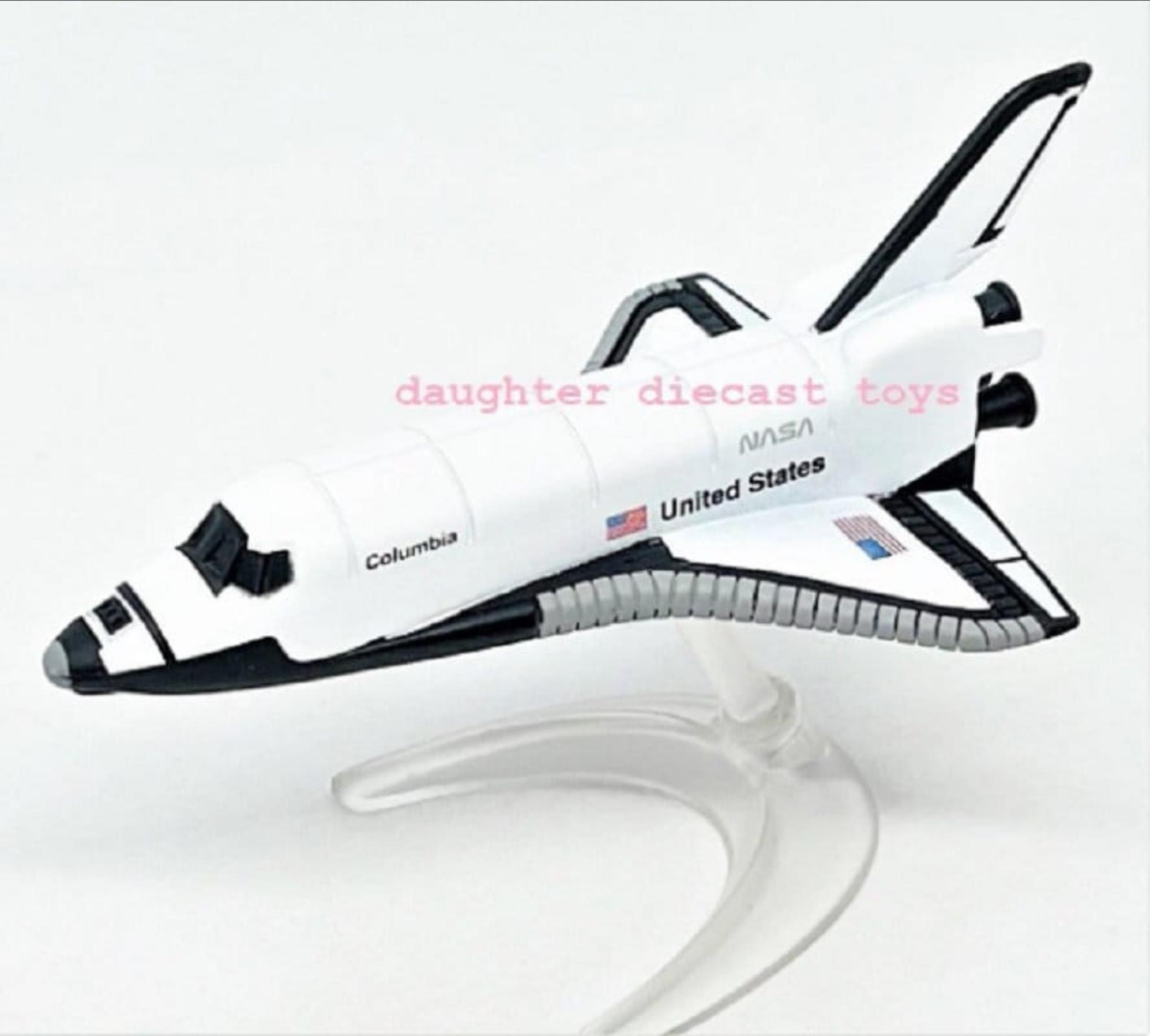
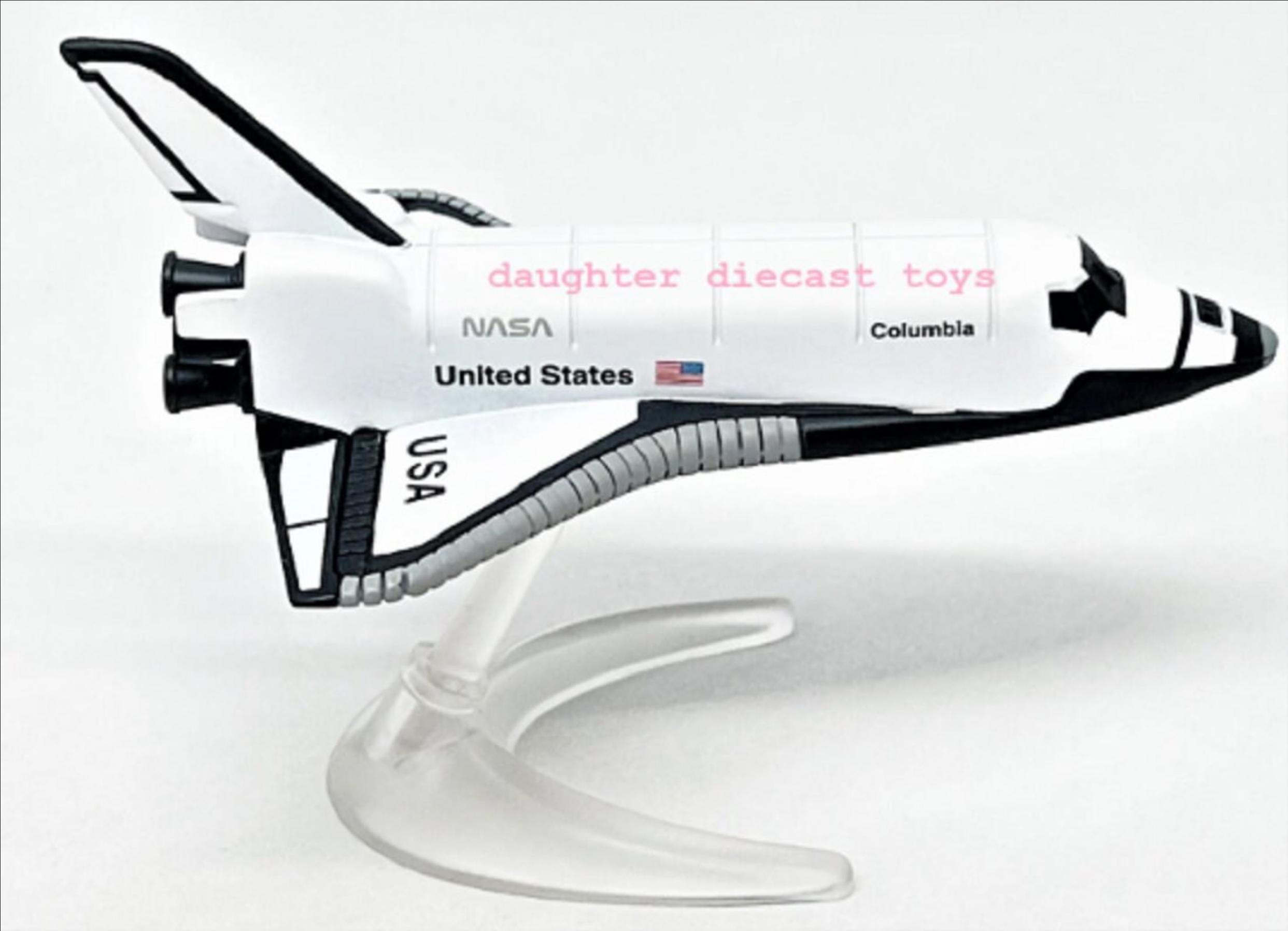
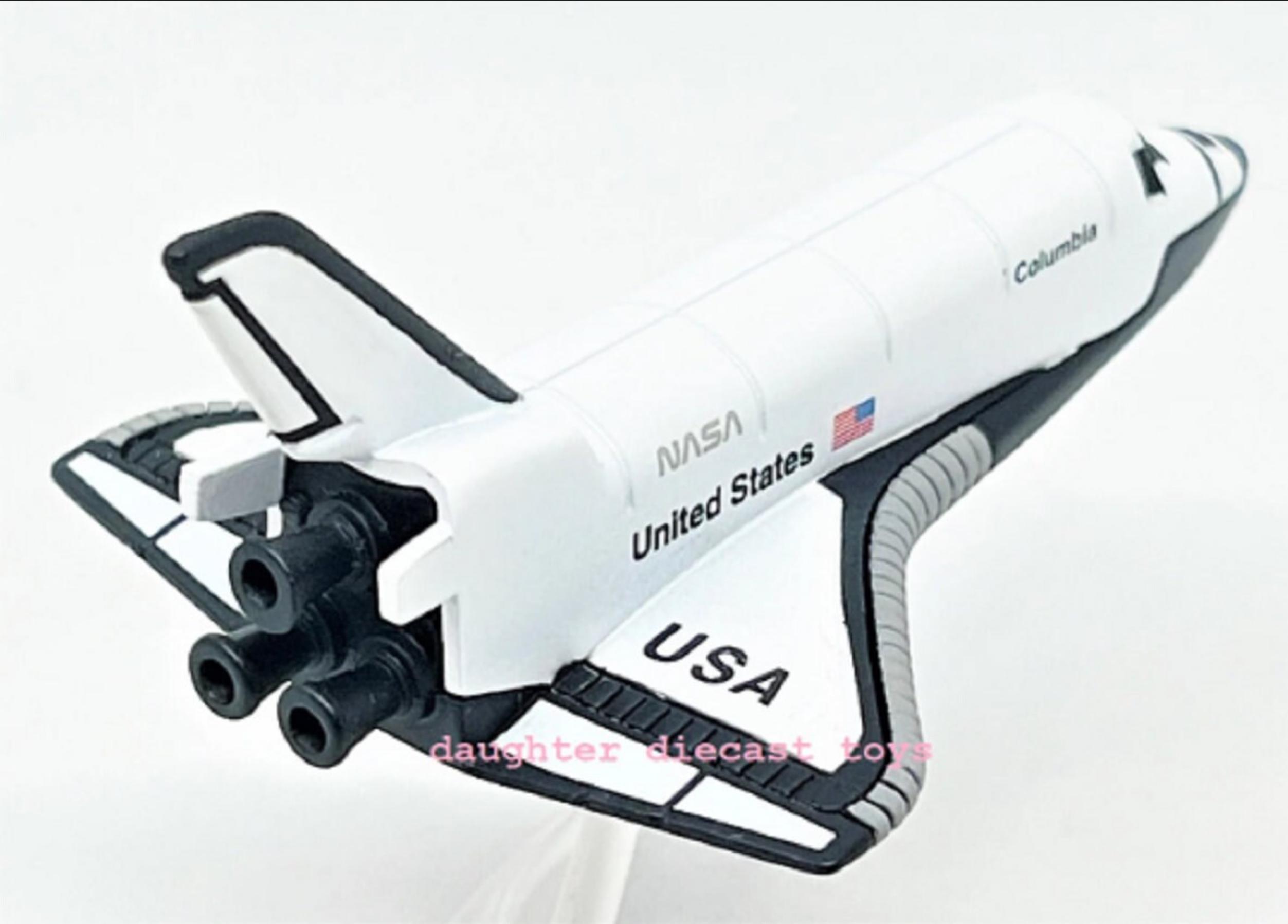
Condition! Vintage Corgi Toy-Perfect Gift for Collectors/Astronauts!Awesome! Vintage SPACE SHUTTLE COLUMBIA. Beautiful highly detailed adult collector model, constructed of HEAVY die cast metal. Measures 3 1/2"L x 2 1/4"W x 3"H (mounted). Pristine condition-this model has never been handled or displayed (until today for the photos in this listing). Ships with stand in collectors' bag. In my (humble) opinion...This IS the be diecast shuttle replica ever made (love it!). Perfect gift for Corgi, vintage toy collectors, space enthusiasts and existing or future Astronauts! We ship fast and safe worldwide every day. Read Columbia bio below....Note: My dad owned a Diecast toy store for 30 years. I inherited the store inventory when he passed away several years ago. I am (just now) able to bring myself to begin selling his cars-so they can be shared with the world. All pristine and mint condition vintage models will (eventually) be listed here on ETSY. All the inventory is NEW (vintage) merchandise-which was intended for retail sale. Please know-our diecast toys have NEVER been "played-with” we do not sell used, or damaged toys.
•
•
•FOR A LIMITED TIME
•
•
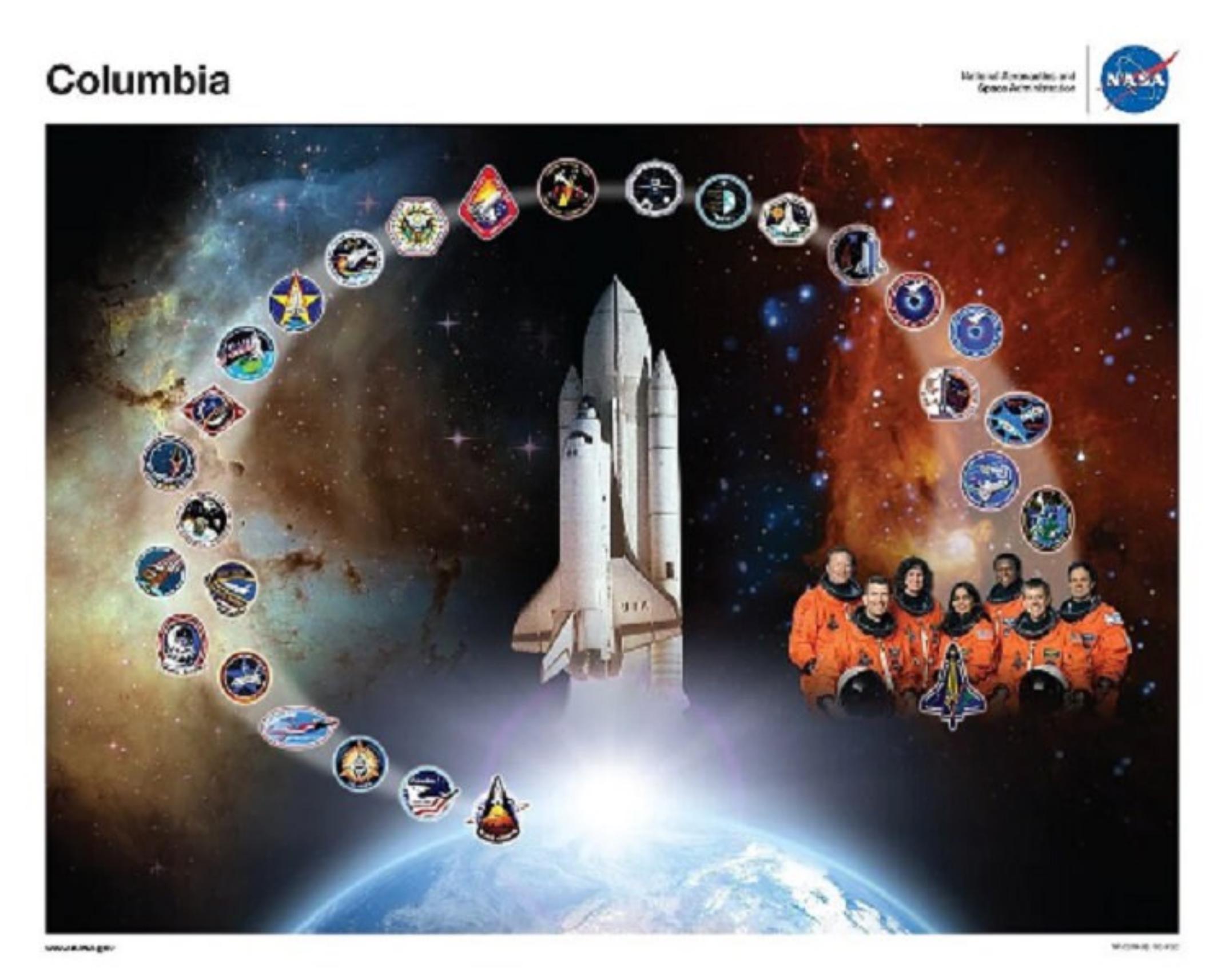
•Purchases totaling $35 and above qualify for FREE shipping to USA! Add more items to your Etsy shopping cart to save $$$.Columbia BIO:Space Shuttle Columbia (OV-102) was a Space Shuttle orbiter manufactured by Rockwell International and operated by NASA. Named after the first American ship to circumnavigate the upper North American Pacific coast and the female personification of the United States, Columbia was the first of five Space Shuttle orbiters to fly in space, debuting the Space Shuttle launch vehicle on its maiden flight in April 1981. As only the second full-scale orbiter to be manufactured after the Approach and Landing Test vehicle Enterprise, Columbia retained unique features indicative of its experimental design compared to later orbiters, such as test instrumentation and distinctive black chines. In addition to a heavier fuselage and the retention of an internal airlock throughout its lifetime, these made Columbia the heaviest of the five spacefaring orbiters; around 1,000 kilograms (2,200 pounds) heavier than Challenger and 3,600 kilograms (7,900 pounds) heavier than Endeavour. Columbia also carried ejection seats based on those from the SR-71 during its first six flights until 1983, and from 1986 onwards carried an external imaging pod on its vertical stabilizer's Research Double Module. The Extended Duration Orbiter pallet was used by the orbiter in thirteen of the pallet's fourteen flights, which aided lengthy stays in orbit for scientific and technological research missions. Columbia was also used to retrieve the Long Duration Exposure Facility and deploy the Chandra observatory, and also carried into space the first female commander of an American spaceflight mission, the first ESA astronaut, the first female astronaut of Indian origin, and the first Israeli astronaut.At the end of its final flight in February 2003 Columbia disintegrated upon reentry, killing the seven-member crew of STS-107 and destroying most of the scientific payloads aboard. The Columbia Accident Investigation Board convened shortly afterwards concluded that damage sustained to the orbiter's left wing during the launch of STS-107 fatally compromised the vehicle's thermal protection system. The loss of Columbia and its crew led to a refocusing of NASA's human exploration programs and led to the establishment of the Constellation program in 2005 and the eventual retirement of the Space Shuttle program in 2011. Numerous memorials and dedications were made to honor the crew following the disaster; the Columbia Memorial Space Center was opened as a national memorial for the accident, and the Columbia Hills in Mars' Gusev crater, which the Spirit rover explored, were named after the crew. The majority of Columbia's recovered remains are stored at the Kennedy Space Center's Vehicle Assembly Building, though some pieces are on public display at the nearby Visitor Complex.
Condition! Vintage Corgi Toy-Perfect Gift for Collectors/Astronauts!Awesome! Vintage SPACE SHUTTLE COLUMBIA. Beautiful highly detailed adult collector model, constructed of HEAVY die cast metal. Measures 3 1/2"L x 2 1/4"W x 3"H (mounted). Pristine condition-this model has never been handled or displayed (until today for the photos in this listing). Ships with stand in collectors' bag. In my (humble) opinion...This IS the be diecast shuttle replica ever made (love it!). Perfect gift for Corgi, vintage toy collectors, space enthusiasts and existing or future Astronauts! We ship fast and safe worldwide every day. Read Columbia bio below....Note: My dad owned a Diecast toy store for 30 years. I inherited the store inventory when he passed away several years ago. I am (just now) able to bring myself to begin selling his cars-so they can be shared with the world. All pristine and mint condition vintage models will (eventually) be listed here on ETSY. All the inventory is NEW (vintage) merchandise-which was intended for retail sale. Please know-our diecast toys have NEVER been "played-with” we do not sell used, or damaged toys.
•
•
•FOR A LIMITED TIME
•
•
•Purchases totaling $35 and above qualify for FREE shipping to USA! Add more items to your Etsy shopping cart to save $$$.Columbia BIO:Space Shuttle Columbia (OV-102) was a Space Shuttle orbiter manufactured by Rockwell International and operated by NASA. Named after the first American ship to circumnavigate the upper North American Pacific coast and the female personification of the United States, Columbia was the first of five Space Shuttle orbiters to fly in space, debuting the Space Shuttle launch vehicle on its maiden flight in April 1981. As only the second full-scale orbiter to be manufactured after the Approach and Landing Test vehicle Enterprise, Columbia retained unique features indicative of its experimental design compared to later orbiters, such as test instrumentation and distinctive black chines. In addition to a heavier fuselage and the retention of an internal airlock throughout its lifetime, these made Columbia the heaviest of the five spacefaring orbiters; around 1,000 kilograms (2,200 pounds) heavier than Challenger and 3,600 kilograms (7,900 pounds) heavier than Endeavour. Columbia also carried ejection seats based on those from the SR-71 during its first six flights until 1983, and from 1986 onwards carried an external imaging pod on its vertical stabilizer's Research Double Module. The Extended Duration Orbiter pallet was used by the orbiter in thirteen of the pallet's fourteen flights, which aided lengthy stays in orbit for scientific and technological research missions. Columbia was also used to retrieve the Long Duration Exposure Facility and deploy the Chandra observatory, and also carried into space the first female commander of an American spaceflight mission, the first ESA astronaut, the first female astronaut of Indian origin, and the first Israeli astronaut.At the end of its final flight in February 2003 Columbia disintegrated upon reentry, killing the seven-member crew of STS-107 and destroying most of the scientific payloads aboard. The Columbia Accident Investigation Board convened shortly afterwards concluded that damage sustained to the orbiter's left wing during the launch of STS-107 fatally compromised the vehicle's thermal protection system. The loss of Columbia and its crew led to a refocusing of NASA's human exploration programs and led to the establishment of the Constellation program in 2005 and the eventual retirement of the Space Shuttle program in 2011. Numerous memorials and dedications were made to honor the crew following the disaster; the Columbia Memorial Space Center was opened as a national memorial for the accident, and the Columbia Hills in Mars' Gusev crater, which the Spirit rover explored, were named after the crew. The majority of Columbia's recovered remains are stored at the Kennedy Space Center's Vehicle Assembly Building, though some pieces are on public display at the nearby Visitor Complex.
Other Products