
RUSSIAN KA-62 HELICOPTER -Adult Collector Diecast Metal-Pristine Condition-Perfect Gift Military Aircraft Enthusiasts!
$ 49.99

RUSSIAN KA-62 HELICOPTER -Adult Collector Diecast Metal-Pristine
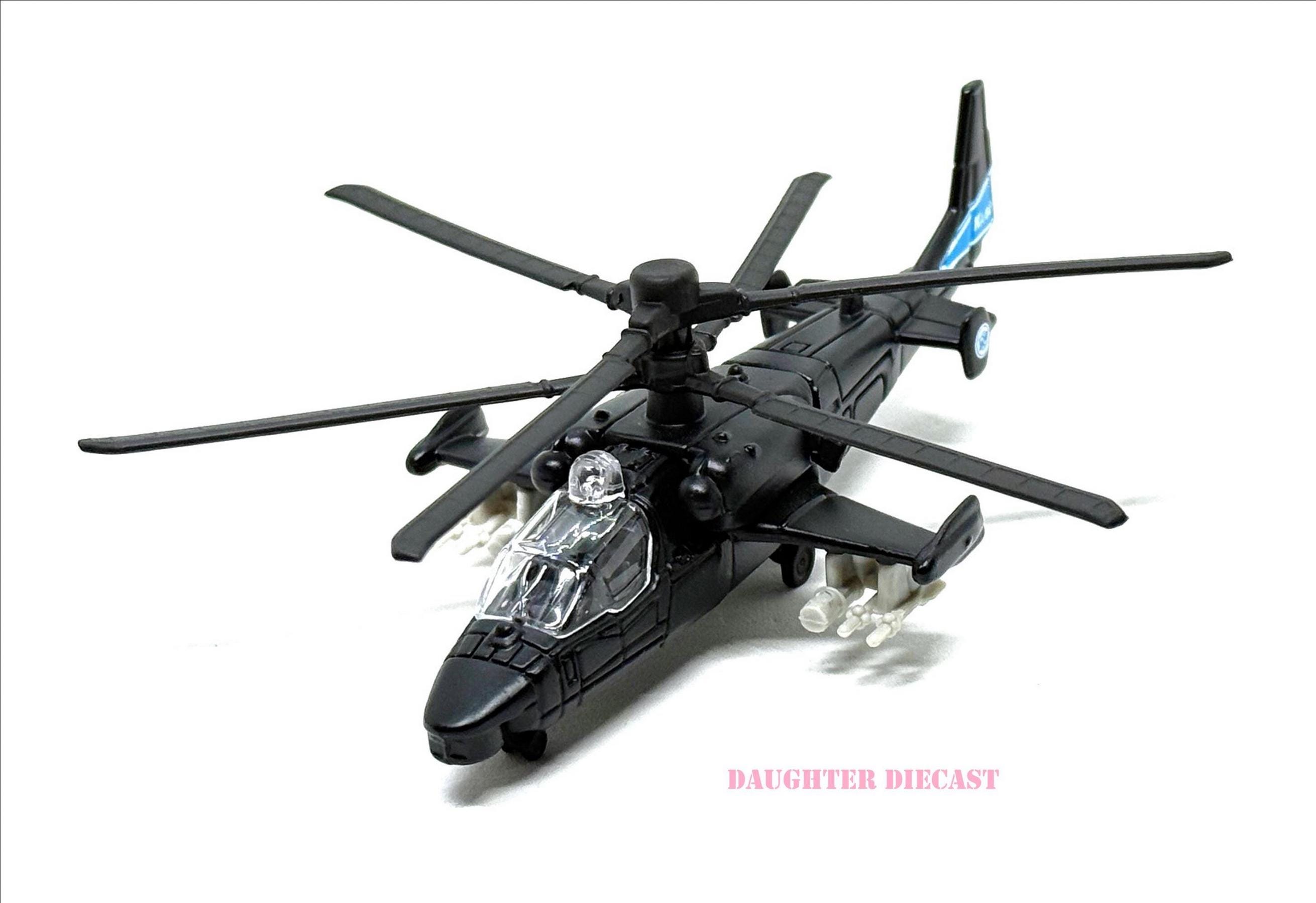
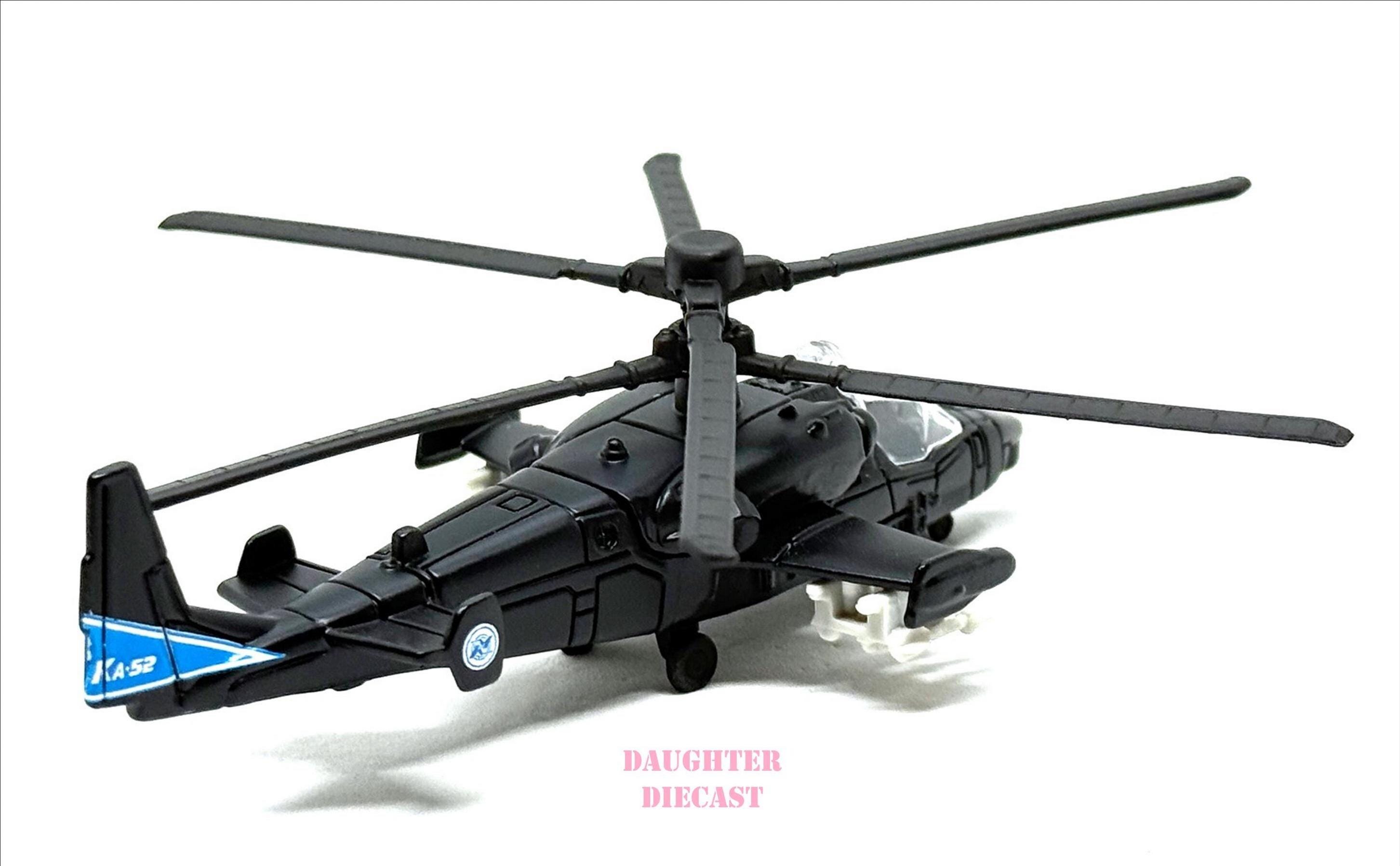
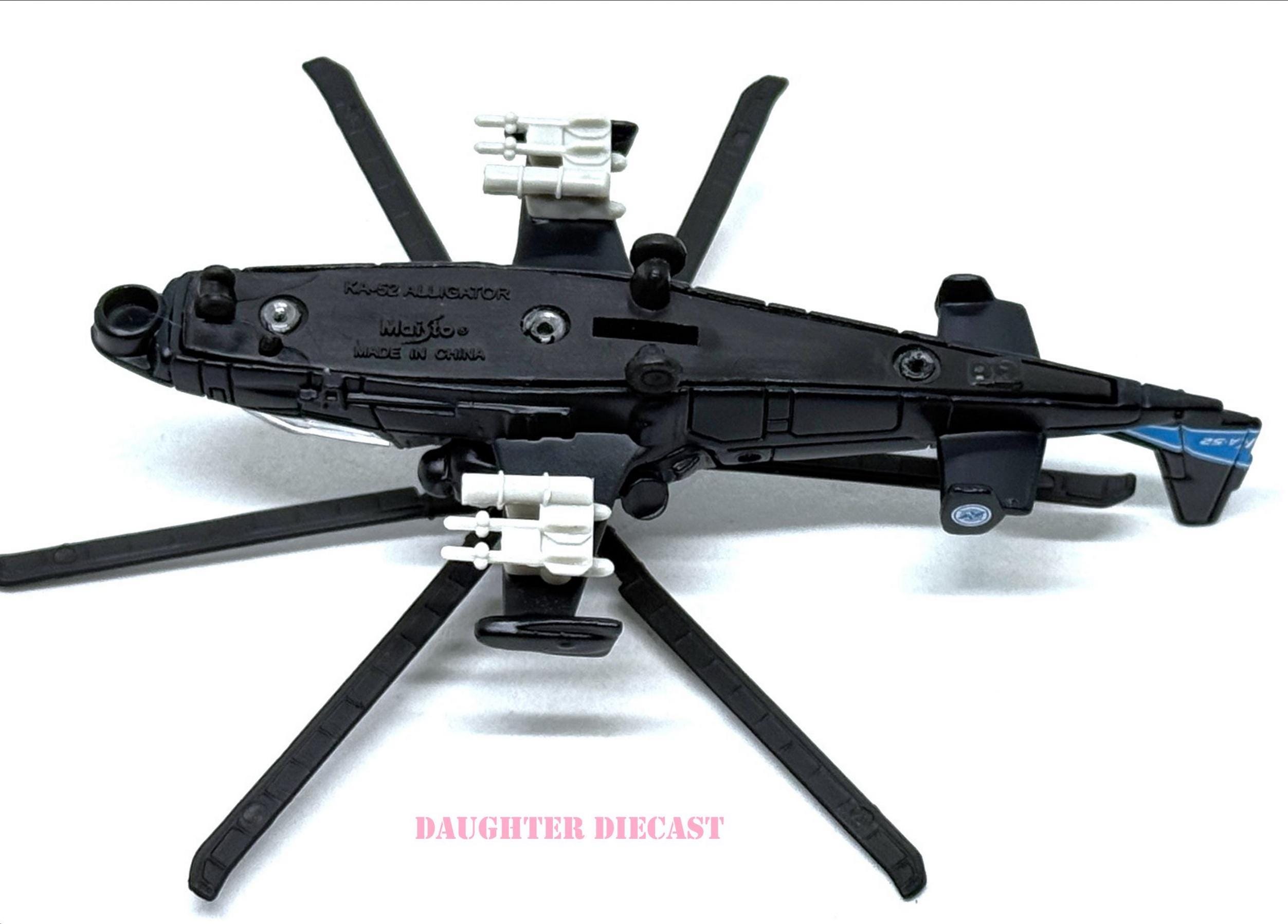
Condition-Perfect Gift Military Aircraft Enthusiasts!Scary...RUSSIAN KA-62 HELICOPTER "ALLIGATOR". Adult collector model-weighty, constructed of diecast metal with plastic components. Intricately-detailed, made by Maisto. Hard to find vintage model! Desktop display model-comes with-easy to set up stand (also, looks great off-stand). Scale=1/72 prox, measures: 4 7/8"L x 2 1/2"W x 2"H. Pristine/mint condition model-never previously handled or displayed (until today for our photos). Comes in its original protective clam-shell (factory packaging). The perfect gift for vintage toy collectors, military and aviation history buffs! We ship fast & safe worldwide every day. Read Aircraft Bio below....
•
•
•FOR A LIMITED TIME
•
•
•Purchases totaling $35 and above qualify for FREE shipping to USA! Add more items to your Etsy shopping cart to save $$$.NOTE: My dad owned a Diecast toy store for 30 years. I inherited the store inventory when he passed away many years ago. I am just now, beginning to sell the mint condition vintage models. All are store-inventory is new-old-stock, models have never been "played with". Please visit often-as I am adding more cool stuff every day!AIRCRAFT BIO: Ka-52 "Alligator"In the early 1980s, while comparative tests of the V-80 (Ka-50 prototype) and the Mi-28 were being conducted, the Kamov design team came up with a proposal to develop a dedicated helicopter to conduct battlefield reconnaissance, provide target designation, support and coordinate group attack helicopter operations based on the Ka-60. However, the economic hardships that hit the nation in the late 1980s hampered this new development program. This prompted Kamov's Designer General to choose a modified version of Ka-50 on which to install the reconnaissance and target designation system. The modified "Black Shark" required a second crew member to operate the optronics/radar reconnaissance suite. Kamov decided to use side-by-side seating arrangement, due to the verified improvements in co-operation between the crew members. This twin-seat version was designated Ka-52.[17] Serial Ka-52 at Torzhok Air BaseIn comparison to the original Ka-50, the Ka-52 has a new radome with a nose-mounted radar system for targeting giving the Ka-52 a rounder nose profile. A day-and-night TV/thermal sighting system is fitted in a spherical turret under the nose (some examples have an additional mast radar for aerial targets and a second sighting system above the cockpit). The Ka-52 has the side-mounted cannon of the original Ka-50.[27] It features six wing-mounted hardpoints compared to four on the Ka-50. To keep the weight and performance on par with that of the Ka-50, the armor and the capacity of the cannon magazine/feed were reduced. Also some flight parameters deteriorated: rate of climb dropped from 10 to 8 m/s and maximum positive load factor became 3.0 g. Most of the problems were solved by installing the new VK-2500 engine.[15] The Ka-52 is approved for day, night and adverse weather conditions.[28]Manufacturing of the first Ka-52 airframe began in mid-1996.[17] Series production was started in autumn 2008.[29] As of September 2010, the 696th Instructor and Research Helicopter Regiment, based at Torzhok Air Base, is operating eight helicopters, in varying degrees of capability and/or modification, for research and development.[21] In December 2010, four new, series-production Ka-52s were delivered to the Air Base[30] of the 344th Centre for Combat Training and Aircrew Conversion.[31] Russian Aerospace Forces Kamov Ka-52 cockpitThe first phase of the official tests (ГСИ) was completed in December 2008 and after that permission was given for the production of an experimental batch for phase 2 (ГСИ, including fire tests and the search for targets)[32]Serial production of the Ka-52 began at the Progress Arsenyev Aviation Company plant in Arsenyev, Primorsky Krai by end of the 2008.[33][34] After the completion of the state trials, the Ka-52 entered service in May 2011 with first operational units joining the Russian Air Force the same month. Under previous State Defense Procurement Plans, the Russian Armed Forces was to receive 2 experimental and 24 serial Ka-52s by 2012.[35] The second long-term contract signed in 2011 worth 120 billion rubles is to provide the Russian Aerospace Forces with 146 Ka-52 helicopters in total until 2020. In February 2018, the Russian Ministry of Defence expressed an interest to purchase 114 Ka-52s of a new version within the new State Armament Program for 2018–2027.General characteristicsCrew: 1 Length: 16 m (52 ft 6 in) Height: 4.93 m (16 ft 2 in) Empty weight: 7,700 kg (16,976 lb) Gross weight: 9,800 kg (21,605 lb) Max takeoff weight: 10,800 kg (23,810 lb) Powerplant: 2 × Klimov VK-2500 turboshaft engines, 1,800 kW (2,400 shp) each Main rotor diameter: 2 × 14.5 m (47 ft 7 in) Main rotor area: 330.3 m2 (3,555 sq ft) contra-rotating 3-bladed main rotorsPerformanceMaximum speed: 315 km/h (196 mph, 170 kn) Cruise speed: 270 km/h (170 mph, 150 kn) Never exceed speed: 350 km/h (220 mph, 190 kn) Range: 545 km (339 mi, 294 nmi) Combat range: 470 km (290 mi, 250 nmi) Ferry range: 1,160 km (720 mi, 630 nmi) Service ceiling: 5,500 m (18,000 ft) Rate of climb: 12 m/s (2,400 ft/min) Disk loading: 30 kg/m2 (6.1 lb/sq ft) Power/mass: 0.33 kW/kg (0.20 hp/lb)ArmamentGuns: 1× mobile semi-rigid 30 mm Shipunov 2A42 cannon (460 rounds total, dual feeding AP or HE-Frag) Hardpoints: 4 (6 on Ka-52) under-wing hardpoints, plus 2 on wingtips for countermeasures or air-to-air missiles with a capacity of 2,000 kg, with provisions to carry combinations of: Rockets: 80 × 80 mm S-8 rockets and 20 × 122 mm S-13 rocket, Missiles: 2 × APU-6 Missile racks, able to accommodate a total of 12 × 9K121 Vikhr anti-tank missiles Bombs: 4 × 250 kg (550 lb) bombs or 2 × 500 kg (1,100 lb) bombs, Other: 23 mm UPK-23-250 gun pods (240 rounds each), 500 L (130 US gal) external fuel tanks. Reportedly, twin Igla light air-to-air missile launchers under each wingtip countermeasure pod (total 4 missiles).[13] "Iz 305" LMUR AGM/ATGM.[120] Two pods on the wingtips with flare and chaff countermeasure dispensers, 4 UV-26 dispensers each (total 32 chaff/flare cartridges in each pod)
Condition-Perfect Gift Military Aircraft Enthusiasts!Scary...RUSSIAN KA-62 HELICOPTER "ALLIGATOR". Adult collector model-weighty, constructed of diecast metal with plastic components. Intricately-detailed, made by Maisto. Hard to find vintage model! Desktop display model-comes with-easy to set up stand (also, looks great off-stand). Scale=1/72 prox, measures: 4 7/8"L x 2 1/2"W x 2"H. Pristine/mint condition model-never previously handled or displayed (until today for our photos). Comes in its original protective clam-shell (factory packaging). The perfect gift for vintage toy collectors, military and aviation history buffs! We ship fast & safe worldwide every day. Read Aircraft Bio below....
•
•
•FOR A LIMITED TIME
•
•
•Purchases totaling $35 and above qualify for FREE shipping to USA! Add more items to your Etsy shopping cart to save $$$.NOTE: My dad owned a Diecast toy store for 30 years. I inherited the store inventory when he passed away many years ago. I am just now, beginning to sell the mint condition vintage models. All are store-inventory is new-old-stock, models have never been "played with". Please visit often-as I am adding more cool stuff every day!AIRCRAFT BIO: Ka-52 "Alligator"In the early 1980s, while comparative tests of the V-80 (Ka-50 prototype) and the Mi-28 were being conducted, the Kamov design team came up with a proposal to develop a dedicated helicopter to conduct battlefield reconnaissance, provide target designation, support and coordinate group attack helicopter operations based on the Ka-60. However, the economic hardships that hit the nation in the late 1980s hampered this new development program. This prompted Kamov's Designer General to choose a modified version of Ka-50 on which to install the reconnaissance and target designation system. The modified "Black Shark" required a second crew member to operate the optronics/radar reconnaissance suite. Kamov decided to use side-by-side seating arrangement, due to the verified improvements in co-operation between the crew members. This twin-seat version was designated Ka-52.[17] Serial Ka-52 at Torzhok Air BaseIn comparison to the original Ka-50, the Ka-52 has a new radome with a nose-mounted radar system for targeting giving the Ka-52 a rounder nose profile. A day-and-night TV/thermal sighting system is fitted in a spherical turret under the nose (some examples have an additional mast radar for aerial targets and a second sighting system above the cockpit). The Ka-52 has the side-mounted cannon of the original Ka-50.[27] It features six wing-mounted hardpoints compared to four on the Ka-50. To keep the weight and performance on par with that of the Ka-50, the armor and the capacity of the cannon magazine/feed were reduced. Also some flight parameters deteriorated: rate of climb dropped from 10 to 8 m/s and maximum positive load factor became 3.0 g. Most of the problems were solved by installing the new VK-2500 engine.[15] The Ka-52 is approved for day, night and adverse weather conditions.[28]Manufacturing of the first Ka-52 airframe began in mid-1996.[17] Series production was started in autumn 2008.[29] As of September 2010, the 696th Instructor and Research Helicopter Regiment, based at Torzhok Air Base, is operating eight helicopters, in varying degrees of capability and/or modification, for research and development.[21] In December 2010, four new, series-production Ka-52s were delivered to the Air Base[30] of the 344th Centre for Combat Training and Aircrew Conversion.[31] Russian Aerospace Forces Kamov Ka-52 cockpitThe first phase of the official tests (ГСИ) was completed in December 2008 and after that permission was given for the production of an experimental batch for phase 2 (ГСИ, including fire tests and the search for targets)[32]Serial production of the Ka-52 began at the Progress Arsenyev Aviation Company plant in Arsenyev, Primorsky Krai by end of the 2008.[33][34] After the completion of the state trials, the Ka-52 entered service in May 2011 with first operational units joining the Russian Air Force the same month. Under previous State Defense Procurement Plans, the Russian Armed Forces was to receive 2 experimental and 24 serial Ka-52s by 2012.[35] The second long-term contract signed in 2011 worth 120 billion rubles is to provide the Russian Aerospace Forces with 146 Ka-52 helicopters in total until 2020. In February 2018, the Russian Ministry of Defence expressed an interest to purchase 114 Ka-52s of a new version within the new State Armament Program for 2018–2027.General characteristicsCrew: 1 Length: 16 m (52 ft 6 in) Height: 4.93 m (16 ft 2 in) Empty weight: 7,700 kg (16,976 lb) Gross weight: 9,800 kg (21,605 lb) Max takeoff weight: 10,800 kg (23,810 lb) Powerplant: 2 × Klimov VK-2500 turboshaft engines, 1,800 kW (2,400 shp) each Main rotor diameter: 2 × 14.5 m (47 ft 7 in) Main rotor area: 330.3 m2 (3,555 sq ft) contra-rotating 3-bladed main rotorsPerformanceMaximum speed: 315 km/h (196 mph, 170 kn) Cruise speed: 270 km/h (170 mph, 150 kn) Never exceed speed: 350 km/h (220 mph, 190 kn) Range: 545 km (339 mi, 294 nmi) Combat range: 470 km (290 mi, 250 nmi) Ferry range: 1,160 km (720 mi, 630 nmi) Service ceiling: 5,500 m (18,000 ft) Rate of climb: 12 m/s (2,400 ft/min) Disk loading: 30 kg/m2 (6.1 lb/sq ft) Power/mass: 0.33 kW/kg (0.20 hp/lb)ArmamentGuns: 1× mobile semi-rigid 30 mm Shipunov 2A42 cannon (460 rounds total, dual feeding AP or HE-Frag) Hardpoints: 4 (6 on Ka-52) under-wing hardpoints, plus 2 on wingtips for countermeasures or air-to-air missiles with a capacity of 2,000 kg, with provisions to carry combinations of: Rockets: 80 × 80 mm S-8 rockets and 20 × 122 mm S-13 rocket, Missiles: 2 × APU-6 Missile racks, able to accommodate a total of 12 × 9K121 Vikhr anti-tank missiles Bombs: 4 × 250 kg (550 lb) bombs or 2 × 500 kg (1,100 lb) bombs, Other: 23 mm UPK-23-250 gun pods (240 rounds each), 500 L (130 US gal) external fuel tanks. Reportedly, twin Igla light air-to-air missile launchers under each wingtip countermeasure pod (total 4 missiles).[13] "Iz 305" LMUR AGM/ATGM.[120] Two pods on the wingtips with flare and chaff countermeasure dispensers, 4 UV-26 dispensers each (total 32 chaff/flare cartridges in each pod)
Other Products