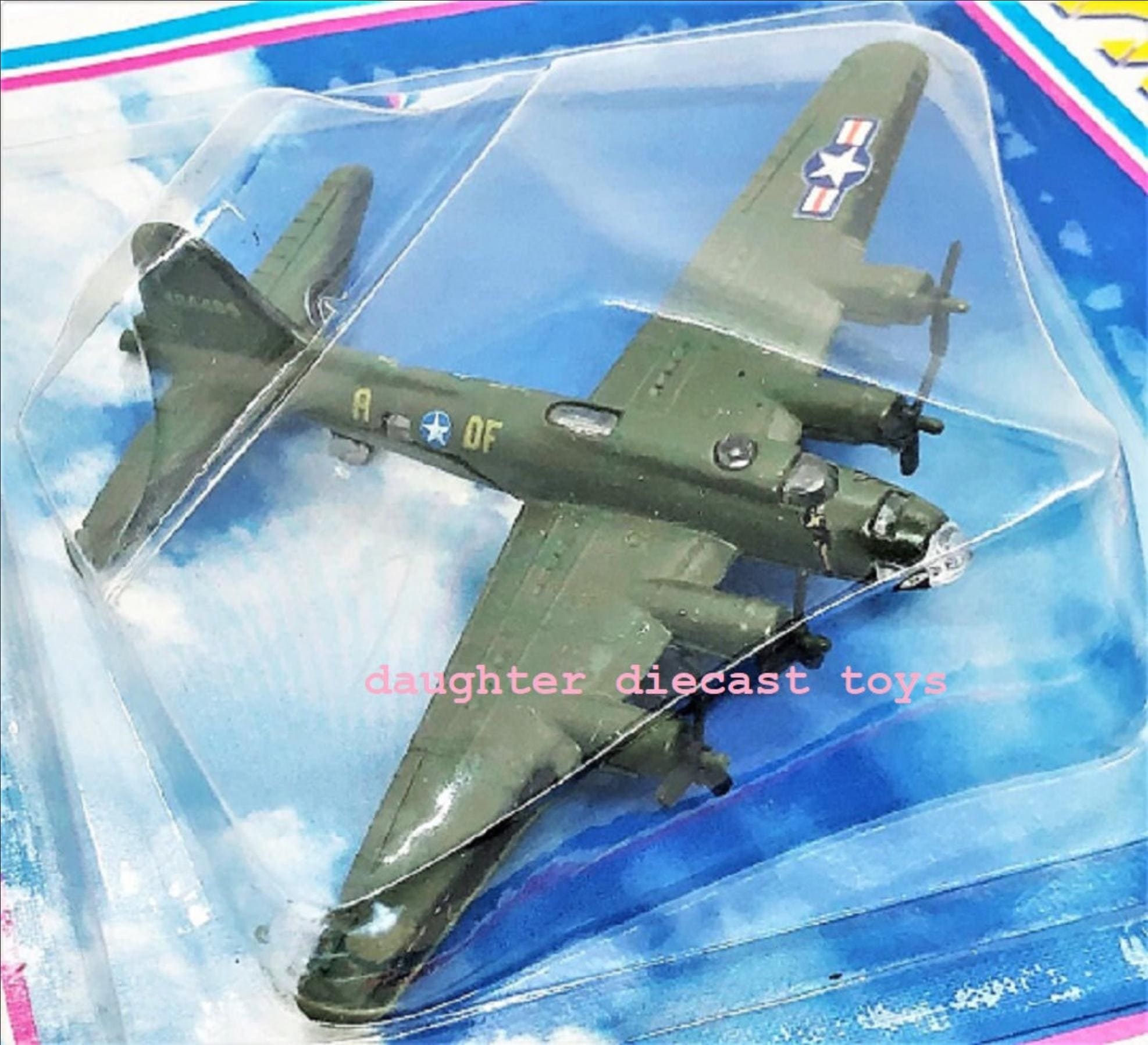
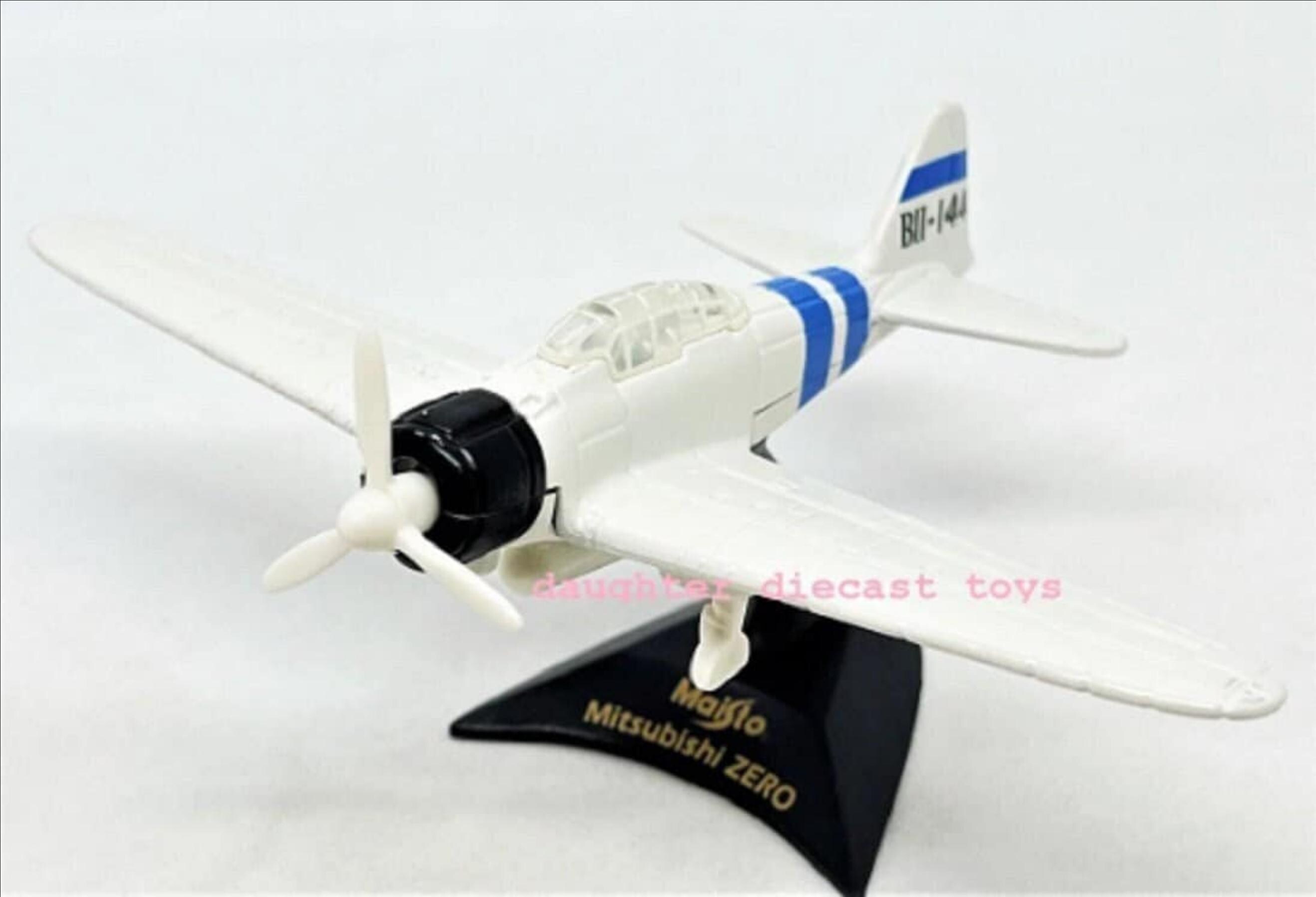
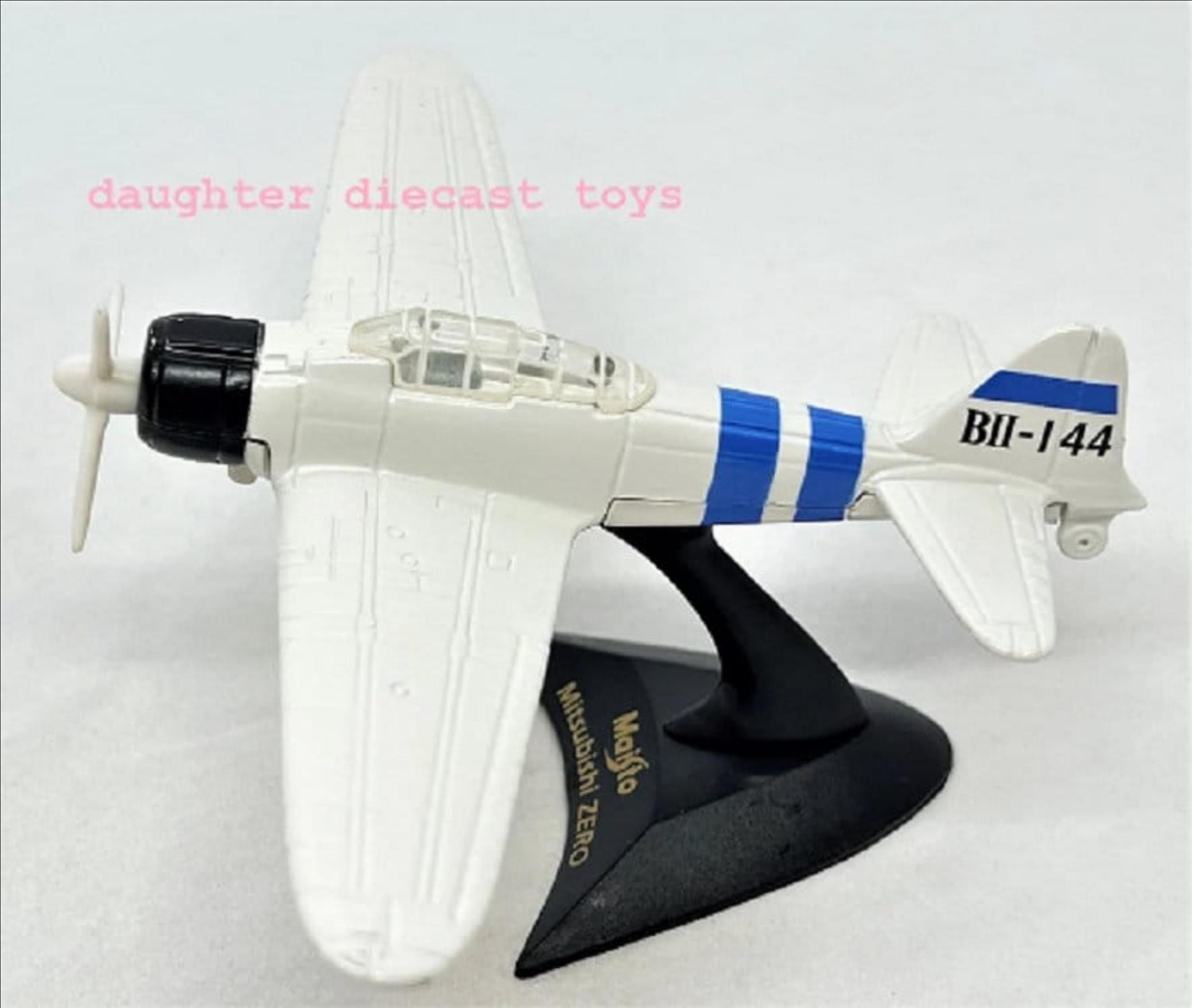
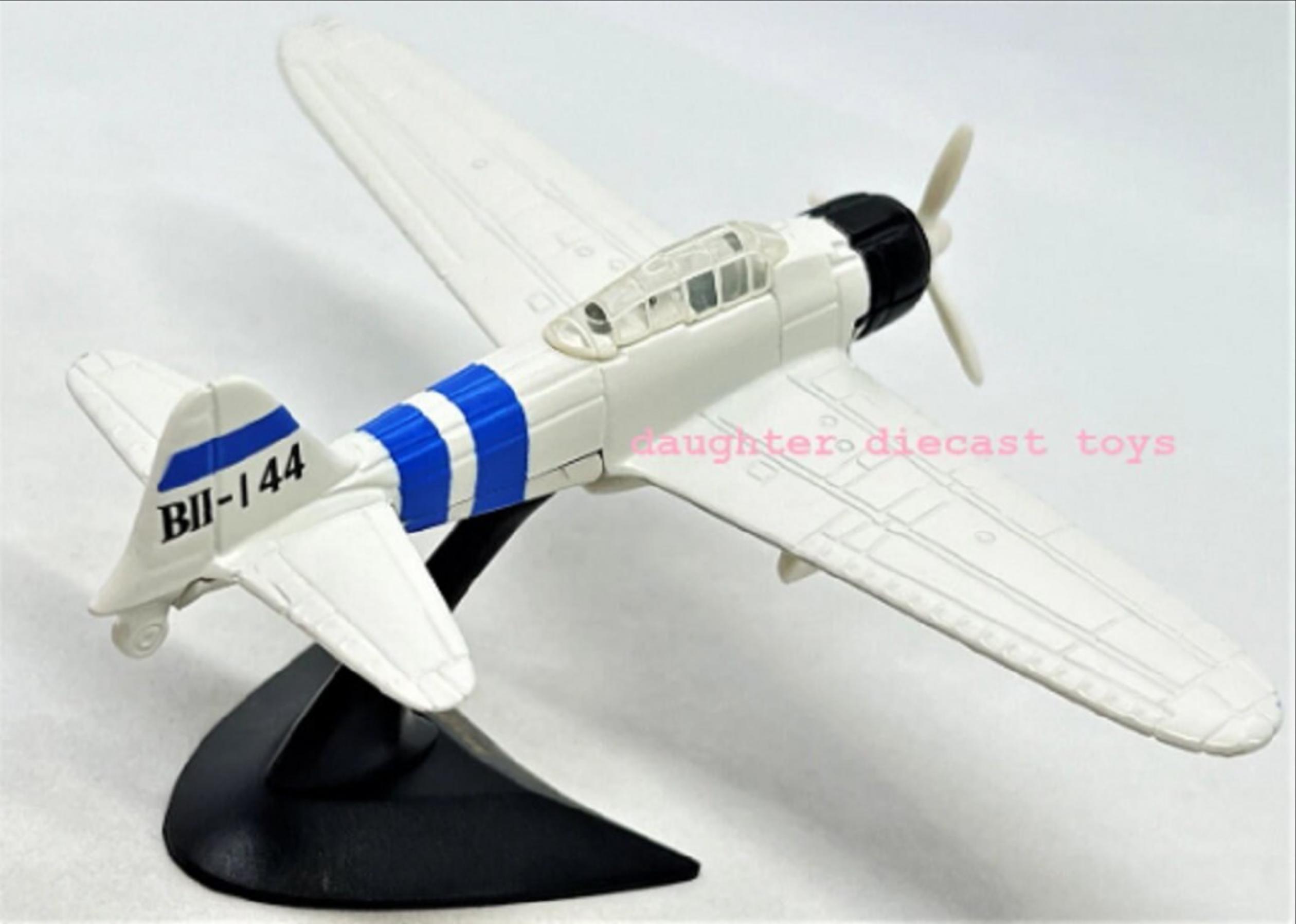
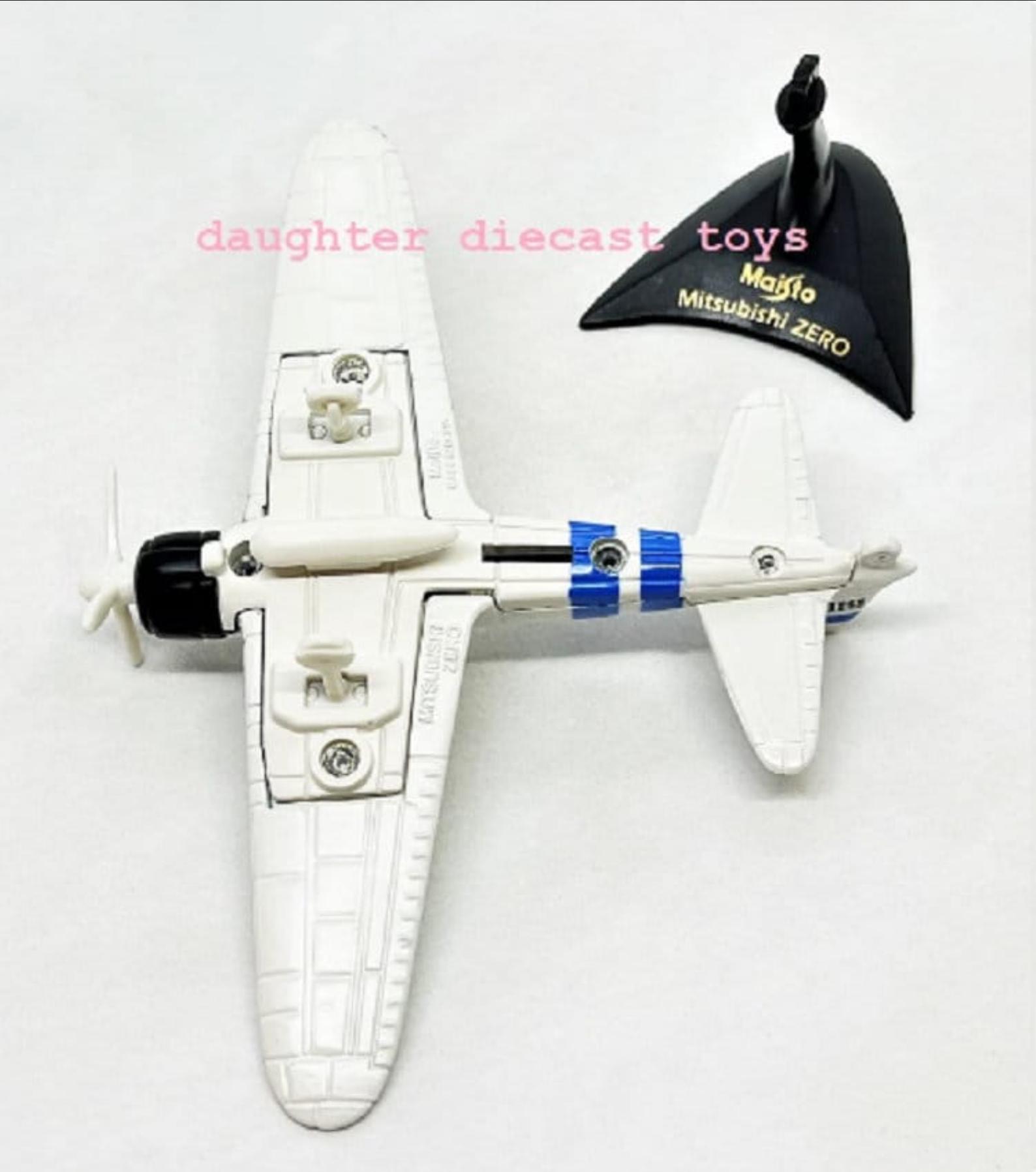

Vintage MITSUBISHI ZERO - Adult Collector Diecast Metal Airplane-Pristine Condition-Perfect Gift for Collectors, Pilots and Airshow Fans!
$ 45.00

VINTAGE MITSUBISHI ZERO. Highly detailed, adult collector-constructed of heavy
die cast metal. Made by Maisto. Rare find, hard to find vintage model! Measures-measures 4"L x 5 1/4"W x 2 1/4" (mounted). This model is in pristine condition and has never been handled or displayed (until today for your photos). Perfect gift for Military aircraft, vintage toy collectors, pilots, veterans and military history buffs! We ship fast & safe worldwide every day! READ Aircraft bio below:
•
•
•FOR A LIMITED TIME
•
•
•Purchases totaling $35 and above qualify for FREE shipping to USA! Add more items to your Etsy shopping cart to save $$$.NOTE: My dad owned a Diecast toy store for 30 years. I inherited the store inventory when he passed away many years ago. I am just now, beginning to sell the mint condition vintage models. All are store-inventory is new-old-stock, models have never been "played with". Please visit often-as I adding more cool stuff every day!AIRCRAFT BIO:Zero, also called Mitsubishi A6M or Navy Type 0, fighter aircraft, a single-seat, low-wing monoplane used with great effect by the Japanese during World War II. Designed by Horikoshi Jiro, it was the first carrier-based fighter capable of besting its land-based opponents. It was designed to specifications written in 1937, was first tested in 1939, and was placed in production and in operation in China in 1940. Although Allied forces code-named the aircraft “Zeke,” it was generally known as the Zero, a term derived from one of its Japanese names—Reisen Kanjikisen (Type Zero Carrier-based Fighter Airplane), abbreviated Reisen. The year its production began, 1940, was the 2,600th anniversary of the ascension to the throne of Japan’s legendary first emperor, Jimmu, hence the “zero” designation.The Zero was made by Mitsubishi Heavy Industries and was first powered by a Nakajima Sakae radial air-cooled engine of 14 cylinders (two staggered rows of seven) that developed 1,020 horsepower. Later it used a 1,130-horsepower engine to turn its three-blade constant-speed propeller. Its top speed was 350 miles per hour (565 km/h) at nearly 20,000 feet (6,100 m), and it was armed with two 7.7-millimetre machine guns and two 20-millimetre cannons in its wings; it could carry two 132-pound (59.9-kilogram) bombs under the wings.When it first appeared, the Zero could outmaneuver every airplane it encountered. Moreover, its 156-gallon (591-litre) internal fuel tank was augmented with a 94-gallon external tank that could be dropped when empty, thus enabling the Zero to fly far beyond its expected range. The Allies did not field fighters that could defeat it in aerial combat until 1943. Many Zeros were converted to kamikaze craft in the closing months of the war. In all, nearly 10,430 of them were built.
die cast metal. Made by Maisto. Rare find, hard to find vintage model! Measures-measures 4"L x 5 1/4"W x 2 1/4" (mounted). This model is in pristine condition and has never been handled or displayed (until today for your photos). Perfect gift for Military aircraft, vintage toy collectors, pilots, veterans and military history buffs! We ship fast & safe worldwide every day! READ Aircraft bio below:
•
•
•FOR A LIMITED TIME
•
•
•Purchases totaling $35 and above qualify for FREE shipping to USA! Add more items to your Etsy shopping cart to save $$$.NOTE: My dad owned a Diecast toy store for 30 years. I inherited the store inventory when he passed away many years ago. I am just now, beginning to sell the mint condition vintage models. All are store-inventory is new-old-stock, models have never been "played with". Please visit often-as I adding more cool stuff every day!AIRCRAFT BIO:Zero, also called Mitsubishi A6M or Navy Type 0, fighter aircraft, a single-seat, low-wing monoplane used with great effect by the Japanese during World War II. Designed by Horikoshi Jiro, it was the first carrier-based fighter capable of besting its land-based opponents. It was designed to specifications written in 1937, was first tested in 1939, and was placed in production and in operation in China in 1940. Although Allied forces code-named the aircraft “Zeke,” it was generally known as the Zero, a term derived from one of its Japanese names—Reisen Kanjikisen (Type Zero Carrier-based Fighter Airplane), abbreviated Reisen. The year its production began, 1940, was the 2,600th anniversary of the ascension to the throne of Japan’s legendary first emperor, Jimmu, hence the “zero” designation.The Zero was made by Mitsubishi Heavy Industries and was first powered by a Nakajima Sakae radial air-cooled engine of 14 cylinders (two staggered rows of seven) that developed 1,020 horsepower. Later it used a 1,130-horsepower engine to turn its three-blade constant-speed propeller. Its top speed was 350 miles per hour (565 km/h) at nearly 20,000 feet (6,100 m), and it was armed with two 7.7-millimetre machine guns and two 20-millimetre cannons in its wings; it could carry two 132-pound (59.9-kilogram) bombs under the wings.When it first appeared, the Zero could outmaneuver every airplane it encountered. Moreover, its 156-gallon (591-litre) internal fuel tank was augmented with a 94-gallon external tank that could be dropped when empty, thus enabling the Zero to fly far beyond its expected range. The Allies did not field fighters that could defeat it in aerial combat until 1943. Many Zeros were converted to kamikaze craft in the closing months of the war. In all, nearly 10,430 of them were built.
Other Products