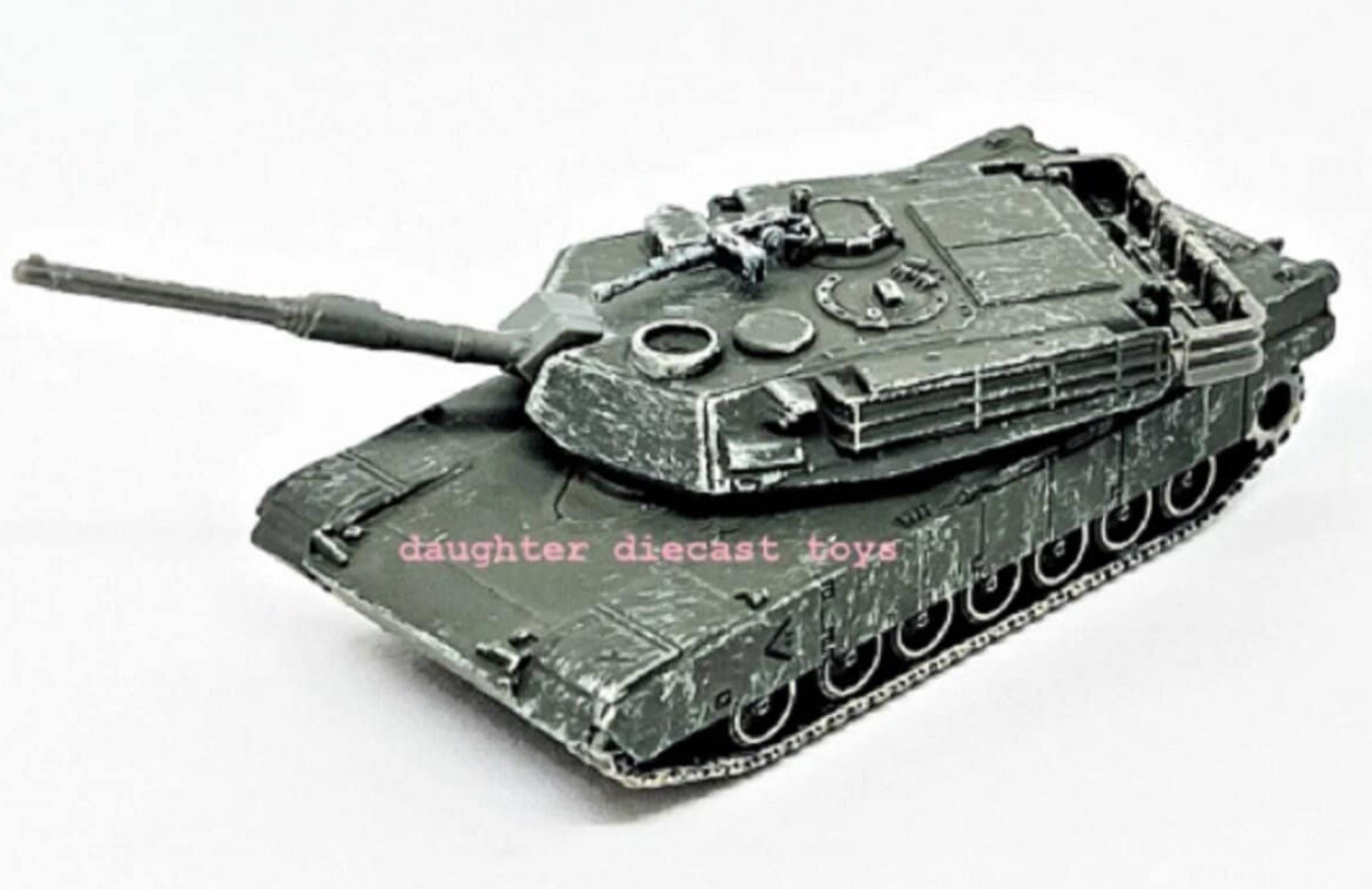

Vintage US MARINES M-48 A3 TANK w/Showcase & History Card! Intricate Diecast Metal Tank-Pristine Condition-Corgi-Perfect Gift for Veterans
$ 49.99

VINTAGE VIETNAM ERA M-48 A8 PATTON TANK with Showcase & History Card! Intricate
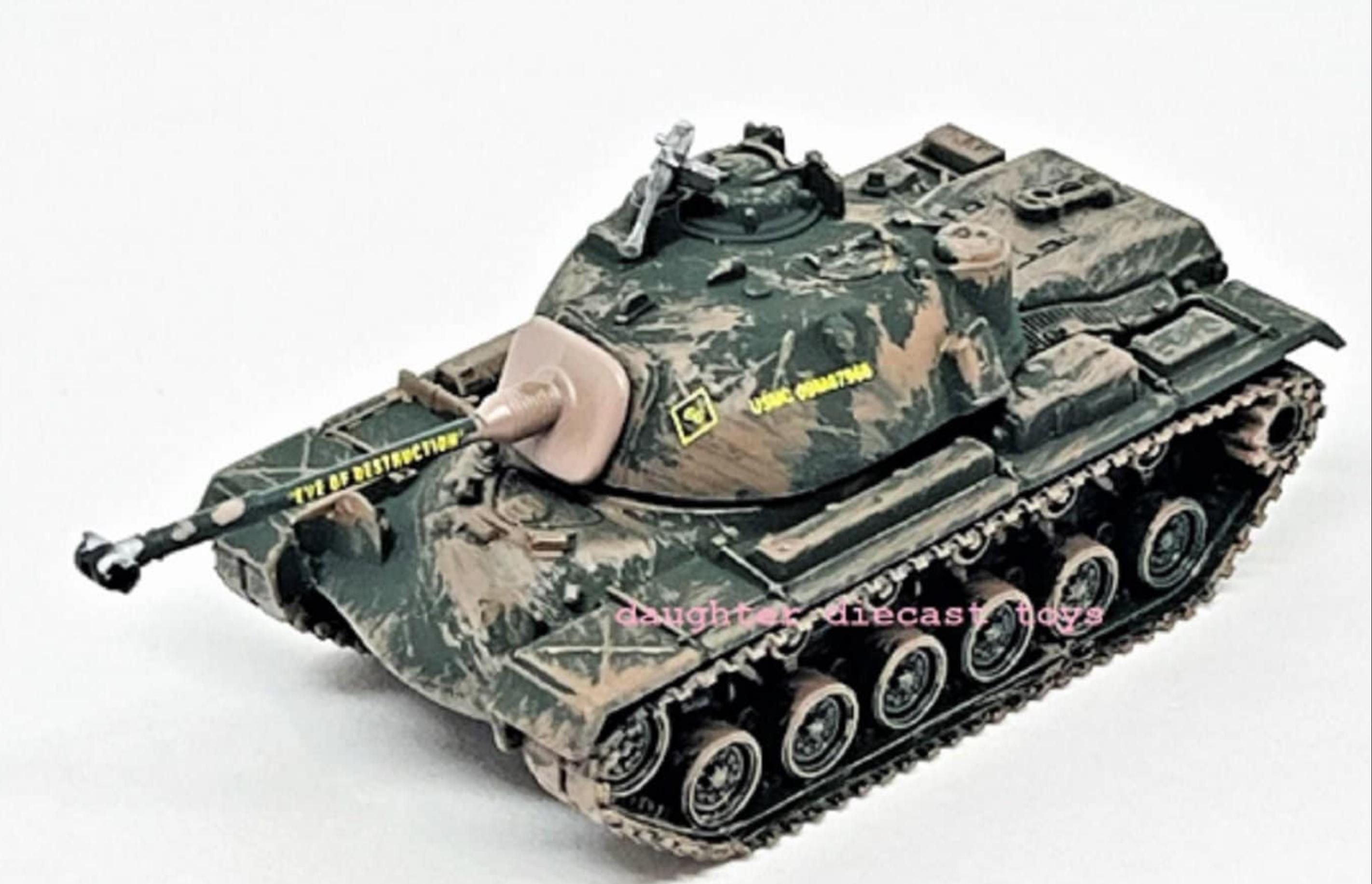
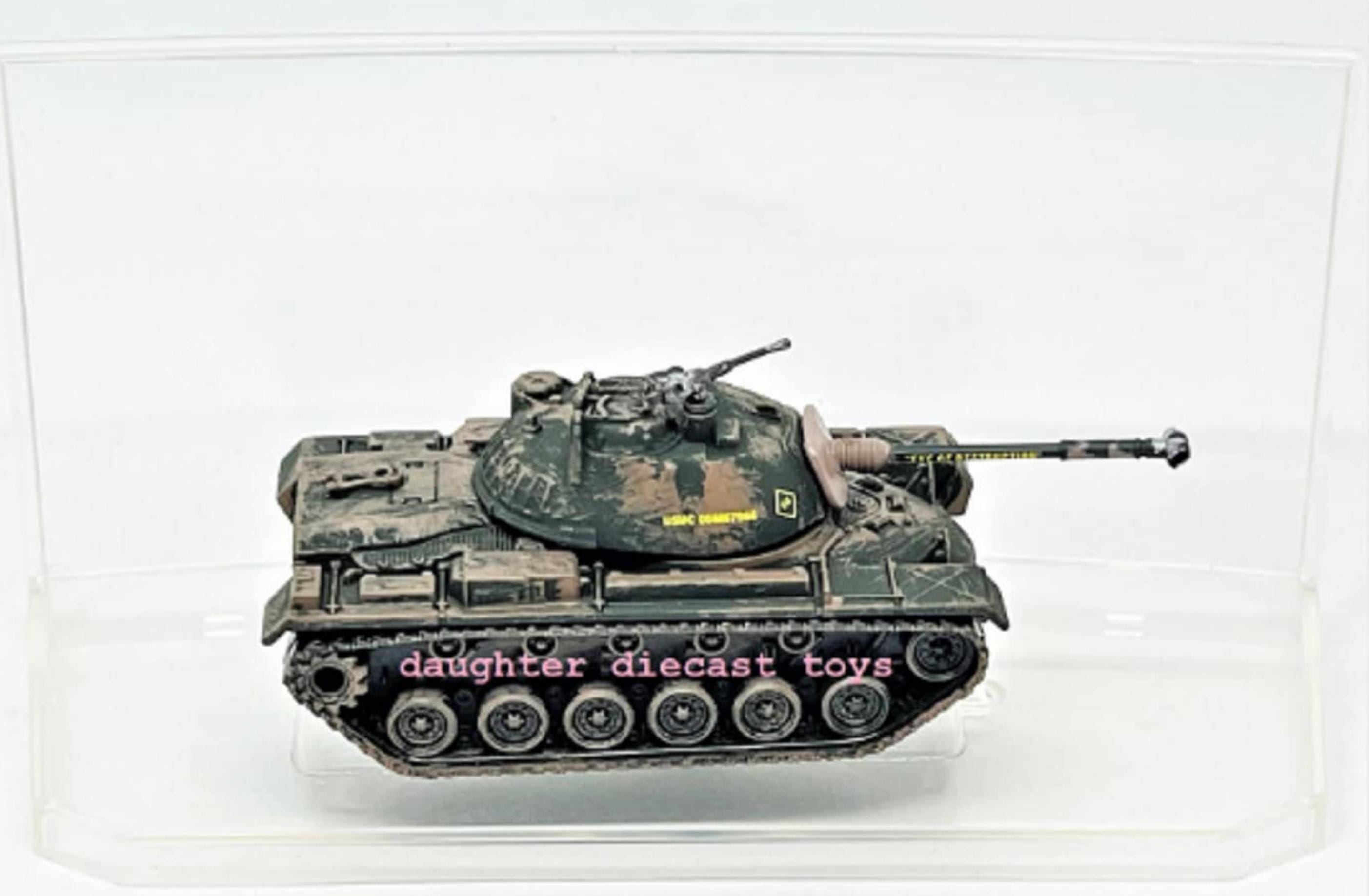
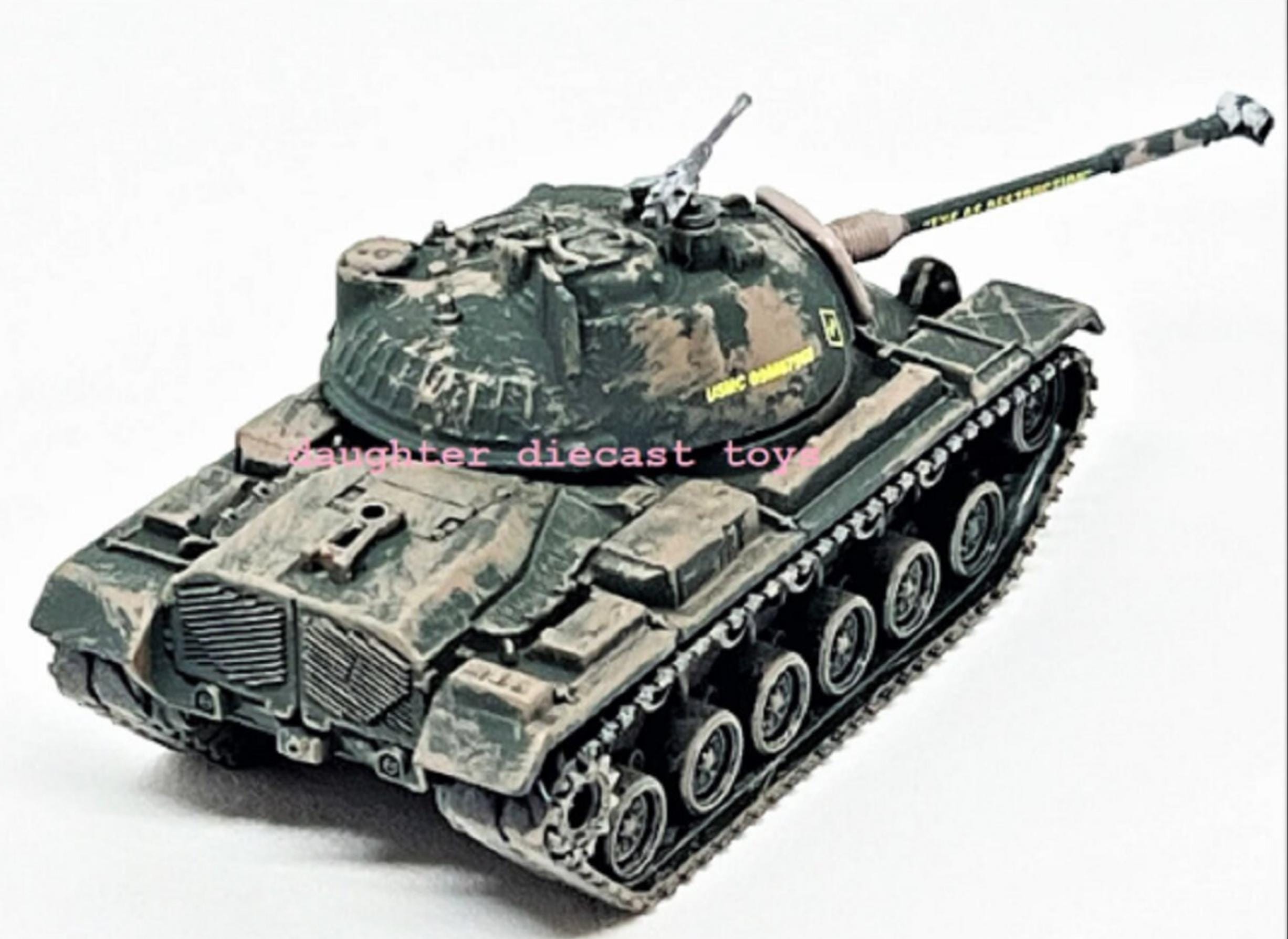
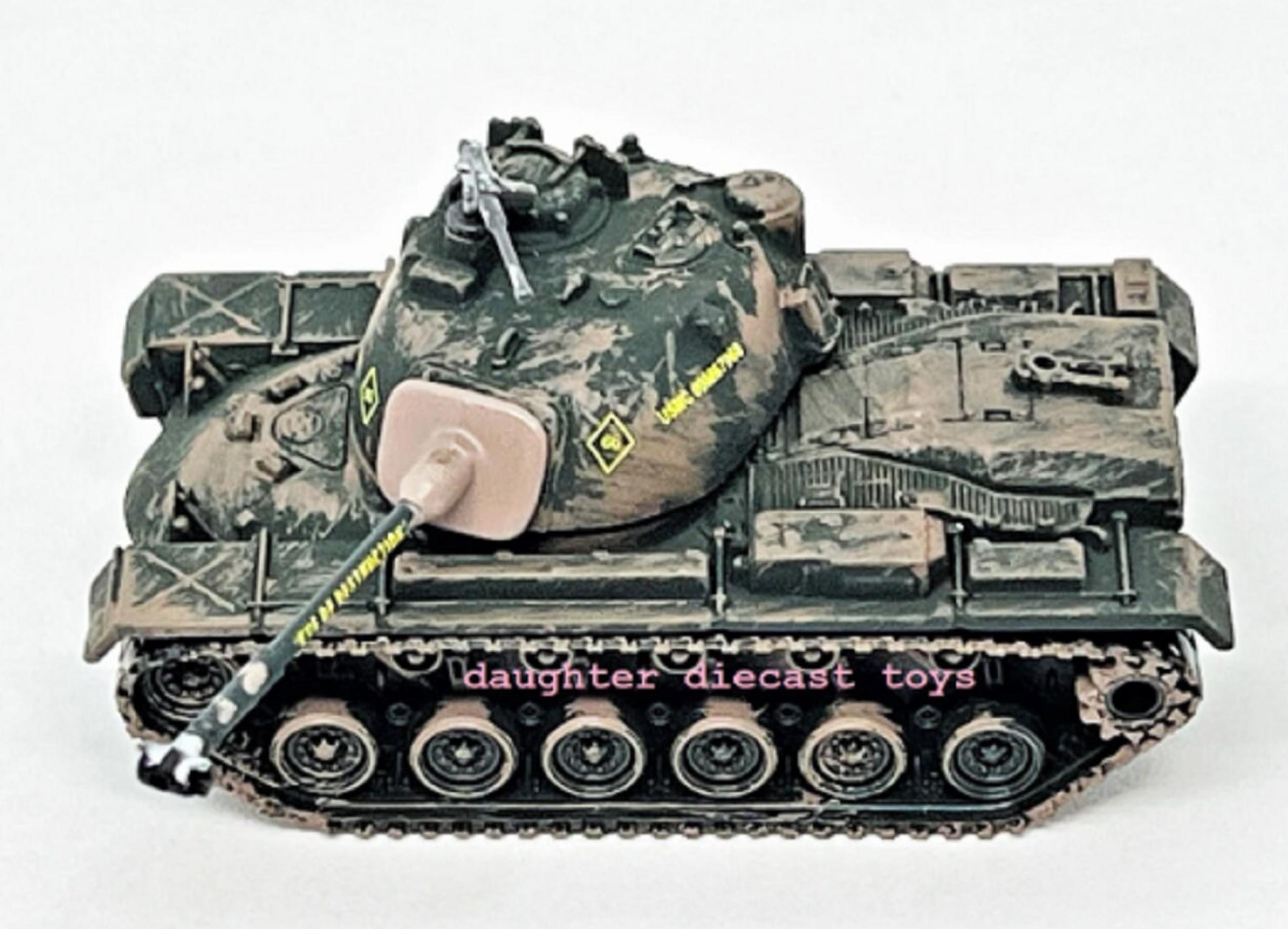
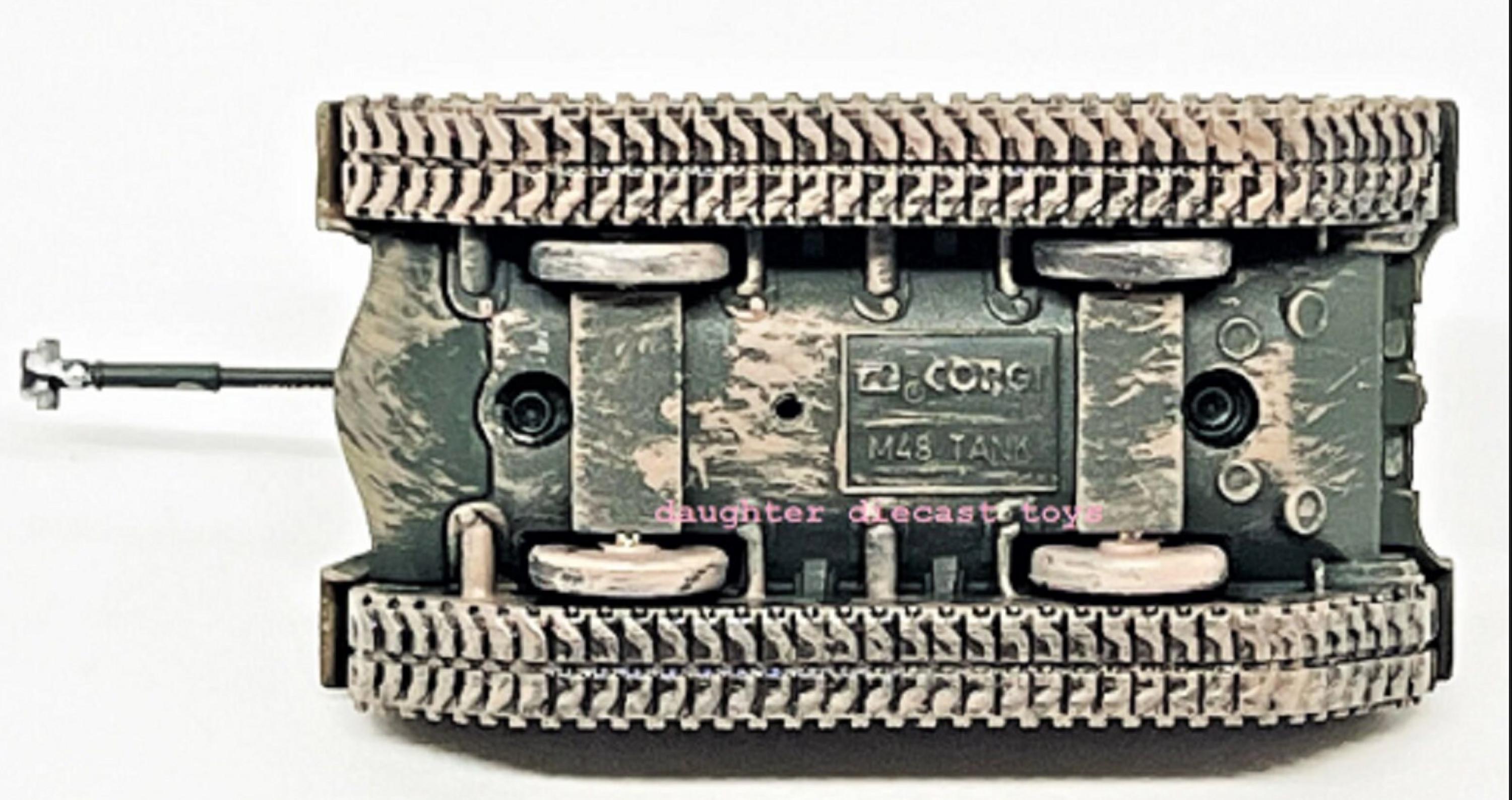
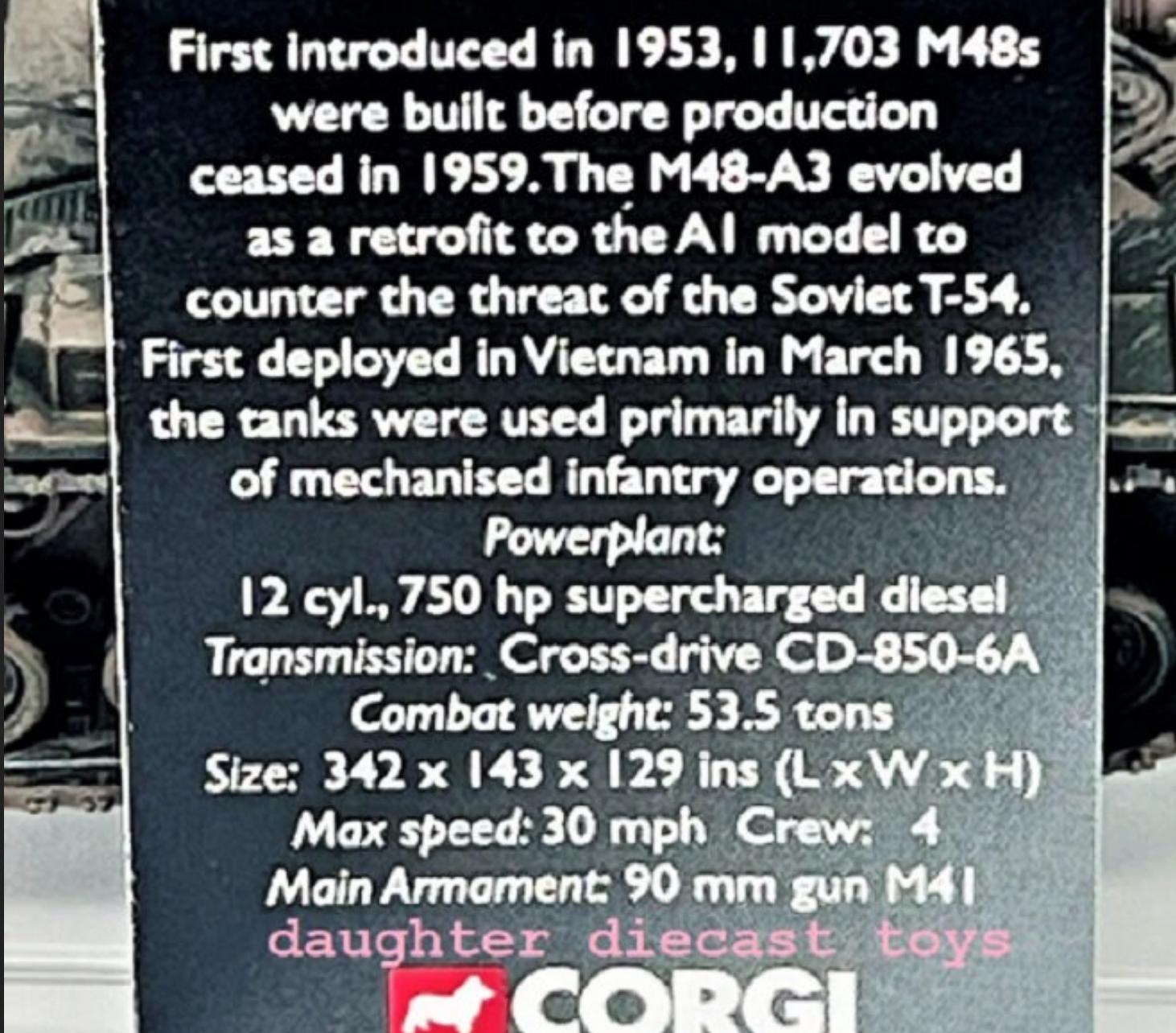
Diecast Metal Truck-Pristine Condition-Corgi-Perfect Gift for VeteransAwesome! VINTAGE VIETNAM ERA M-48 A8 PATTON TANK. Highly sought after, intricately detailed Diecast Metal Tank/Adult Collectors Model-which comes with Showcase & Data Card (see photo's 2 & 7). The model can be removed from the showcase via a screw located in the bottom (see photo 6). Tank has moveable turret and rolling wheels. Made by Corgi. Tank Measures 3 7/8"L x 1 1/2"W x 2"H. Pristine condition model-has never been displayed until today for the photos in this listing (see all 7 pics-using arrows on sides of the main listing photo). Sold loose-with Showcase & data card. Perfect gift for military toy collectors, history buffs, and Veterans. 100% happiness guaranteed. We ship fast & safe worldwide every day! Read Tank Bio below....Note: My dad owned a Diecast toy store for 30 years. I inherited the store inventory when he passed away several years ago. I am (just now) able to bring myself to begin selling his cars-so they can be shared with the world. All pristine and mint condition vintage models will (eventually) be listed here on ETSY. All the inventory is NEW (vintage) merchandise-which was intended for retail sale. Please know-our diecast toys have NEVER been "played-with” we do not sell used, or damaged toys.
•
•
•FOR A LIMITED TIME
•
•
•Purchases totaling $35 and above qualify for FREE shipping to USA! Add more items to your Etsy shopping cart to save $$$.TANK BIO:Vietnam WarThe US MARINES M48 saw extensive action with the US military during the Vietnam War. Over 600 Pattons would be deployed with US forces during that war.[18][page needed][55] The initial M48s first landed with the US Marine 1st and 3rd Tank Battalions in 1965,[56] with the 5th Marine Tank Battalion later becoming a back-up/reinforcement unit. The remaining Pattons deployed to South Vietnam were in three US Army battalions, namely the 1-77th Armor near the DMZ (67 M48A2C (23 tanks supplied from US Army Training Center at Fort Knox, and 44 tanks from Letterkenny Army Depot) tanks were used by the 77th Armor from August 1968 to January 1969.These were later replaced with M48A3s), the 1-69th Armor in the Central Highlands of central South Vietnam and the 2-34th Armor positioned near the Mekong Delta. Each battalion consisted of approximately 57 tanks. M48s were also used by Armored Cavalry Squadrons in Vietnam until replaced by M551 Sheridan Armored Reconnaissance Airborne Assault Vehicles (ARAAV) in the Divisional Cavalry Squadrons. M48A3 tanks remained in service with the 11th Armored Cavalry Regiment until the unit was withdrawn from the conflict. Some M48 variants, nicknamed "Zippos", or M67A1 Flame tanks were used by some U.S Marine Corps units, but the U.S. Army no longer used them.[57] From 1965 to 1968, 120 US M48A3 tanks were written off.[58]M48 of B Troop, 1st Squadron, 10th Cavalry, 4th Infantry Division, in the Central Highlands, June 1969 The M48 Patton has the distinction of playing a unique role in an event that was destined to radically alter the conduct of armored warfare.[56] When US forces commenced redeployment operations, many of the M48A3 Pattons were turned over to the Army of the Republic of Vietnam (ARVN) forces, in particular creating the battalion-sized ARVN 20th Tank Regiment; which supplemented their M41 Walker Bulldog units. During the North Vietnamese People's Army of Vietnam (PAVN) Easter Offensive in 1972, tank clashes between PAVN T-54/PT-76 and ARVN M48/M41 units became commonplace.[56]On 23 April 1972, tankers of the 20th Tank Regiment were attacked by a PAVN infantry-tank team, which was equipped with the new 9M14M Malyutka (NATO designation: Sagger) wire-guided anti-tank missile. During this battle, one M48A3 Patton tank and one M113 Armored Cavalry Assault Vehicle (ACAV) were destroyed, becoming the first losses to the Sagger missile; losses that would echo on an even larger scale a year later during the Yom Kippur War in the Middle East in 1973.[56] By 2 May, the 20th Tank Regiment had lost all of their tanks to enemy fire.[55]: 212 During the first month of the First Battle of Quảng Trị, all ARVN M48 Pattons (100 tanks) were lost.[b][59]: 52 A 1st Battalion, 69th Armor M48 during Operation Lincoln The M48s performed admirably[60] in South Vietnam in the infantry-support role. However, there were few actual tank versus tank battles. One was between the US 1-69th Armor and PT-76 light amphibious tanks of the PAVN 202nd Armored Regiment at Ben Het Camp in March 1969.[56] The M48s provided adequate protection for its crew from small arms, mines, and rocket-propelled grenades. South Vietnamese M48s and M41s fought in the 1975 Spring Offensive. In several incidents, the ARVN successfully defeated PAVN T-34 and T-55 tanks and even slowed the North's offensive.[61]: 10 However, due to shortages of fuel and munitions faced by the South Vietnamese military because of the US Congress-placed ban on the further funding and supply of military equipment and logistics to the country, the American-made tanks soon ran out of ammunition and fuel and were quickly abandoned to the PAVN, which then put them in their service after the war ended in May 1975. In total, 250 of the ARVN's M48A3s were destroyed and captured[61]: 10 and those captured (at least 30) were only used briefly before being phased out and turned into war-memorial displays all over Vietnam.A destroyed M48A3 during Vietnam war M48s, along with Australian 20 pounder (84mm)-gunned[55]: 113 Centurions of the 1st Armoured Regiment,[56] were the only vehicles in use by the anti-communist side in the Vietnam War that could reasonably protect their crews from land mines. They were often used for minesweeping operations along Highway 19 in the Central Highlands, a two-lane paved road between An Khe and Pleiku. Daily convoys moved both ways along Highway 19. These convoys were held up each morning while the road was swept for mines. At that time, minesweeping was done by soldiers walking slowly over the dirt shoulders of the highway with hand-held mine detectors.[55]: 80 During this slow process, convoys would build up into a dangerously-inviting target for the enemy, especially their guerillas and partisans. As a result, a faster method was improvised, the "Thunder Run", in which one M48 lined up on each side of the road, with one track on the dirt shoulder and the other track on the asphalt, and then with all guns firing,[55]: 80 they raced to a designated position miles away. If the M48s made it without striking a mine, the road was clear and the convoys could proceed. In most cases, an M48 that struck a land mine in these operations only lost a road wheel or two in the explosion; seldom was there any hull damage that would be considered a catastrophic kill.[55]
Diecast Metal Truck-Pristine Condition-Corgi-Perfect Gift for VeteransAwesome! VINTAGE VIETNAM ERA M-48 A8 PATTON TANK. Highly sought after, intricately detailed Diecast Metal Tank/Adult Collectors Model-which comes with Showcase & Data Card (see photo's 2 & 7). The model can be removed from the showcase via a screw located in the bottom (see photo 6). Tank has moveable turret and rolling wheels. Made by Corgi. Tank Measures 3 7/8"L x 1 1/2"W x 2"H. Pristine condition model-has never been displayed until today for the photos in this listing (see all 7 pics-using arrows on sides of the main listing photo). Sold loose-with Showcase & data card. Perfect gift for military toy collectors, history buffs, and Veterans. 100% happiness guaranteed. We ship fast & safe worldwide every day! Read Tank Bio below....Note: My dad owned a Diecast toy store for 30 years. I inherited the store inventory when he passed away several years ago. I am (just now) able to bring myself to begin selling his cars-so they can be shared with the world. All pristine and mint condition vintage models will (eventually) be listed here on ETSY. All the inventory is NEW (vintage) merchandise-which was intended for retail sale. Please know-our diecast toys have NEVER been "played-with” we do not sell used, or damaged toys.
•
•
•FOR A LIMITED TIME
•
•
•Purchases totaling $35 and above qualify for FREE shipping to USA! Add more items to your Etsy shopping cart to save $$$.TANK BIO:Vietnam WarThe US MARINES M48 saw extensive action with the US military during the Vietnam War. Over 600 Pattons would be deployed with US forces during that war.[18][page needed][55] The initial M48s first landed with the US Marine 1st and 3rd Tank Battalions in 1965,[56] with the 5th Marine Tank Battalion later becoming a back-up/reinforcement unit. The remaining Pattons deployed to South Vietnam were in three US Army battalions, namely the 1-77th Armor near the DMZ (67 M48A2C (23 tanks supplied from US Army Training Center at Fort Knox, and 44 tanks from Letterkenny Army Depot) tanks were used by the 77th Armor from August 1968 to January 1969.These were later replaced with M48A3s), the 1-69th Armor in the Central Highlands of central South Vietnam and the 2-34th Armor positioned near the Mekong Delta. Each battalion consisted of approximately 57 tanks. M48s were also used by Armored Cavalry Squadrons in Vietnam until replaced by M551 Sheridan Armored Reconnaissance Airborne Assault Vehicles (ARAAV) in the Divisional Cavalry Squadrons. M48A3 tanks remained in service with the 11th Armored Cavalry Regiment until the unit was withdrawn from the conflict. Some M48 variants, nicknamed "Zippos", or M67A1 Flame tanks were used by some U.S Marine Corps units, but the U.S. Army no longer used them.[57] From 1965 to 1968, 120 US M48A3 tanks were written off.[58]M48 of B Troop, 1st Squadron, 10th Cavalry, 4th Infantry Division, in the Central Highlands, June 1969 The M48 Patton has the distinction of playing a unique role in an event that was destined to radically alter the conduct of armored warfare.[56] When US forces commenced redeployment operations, many of the M48A3 Pattons were turned over to the Army of the Republic of Vietnam (ARVN) forces, in particular creating the battalion-sized ARVN 20th Tank Regiment; which supplemented their M41 Walker Bulldog units. During the North Vietnamese People's Army of Vietnam (PAVN) Easter Offensive in 1972, tank clashes between PAVN T-54/PT-76 and ARVN M48/M41 units became commonplace.[56]On 23 April 1972, tankers of the 20th Tank Regiment were attacked by a PAVN infantry-tank team, which was equipped with the new 9M14M Malyutka (NATO designation: Sagger) wire-guided anti-tank missile. During this battle, one M48A3 Patton tank and one M113 Armored Cavalry Assault Vehicle (ACAV) were destroyed, becoming the first losses to the Sagger missile; losses that would echo on an even larger scale a year later during the Yom Kippur War in the Middle East in 1973.[56] By 2 May, the 20th Tank Regiment had lost all of their tanks to enemy fire.[55]: 212 During the first month of the First Battle of Quảng Trị, all ARVN M48 Pattons (100 tanks) were lost.[b][59]: 52 A 1st Battalion, 69th Armor M48 during Operation Lincoln The M48s performed admirably[60] in South Vietnam in the infantry-support role. However, there were few actual tank versus tank battles. One was between the US 1-69th Armor and PT-76 light amphibious tanks of the PAVN 202nd Armored Regiment at Ben Het Camp in March 1969.[56] The M48s provided adequate protection for its crew from small arms, mines, and rocket-propelled grenades. South Vietnamese M48s and M41s fought in the 1975 Spring Offensive. In several incidents, the ARVN successfully defeated PAVN T-34 and T-55 tanks and even slowed the North's offensive.[61]: 10 However, due to shortages of fuel and munitions faced by the South Vietnamese military because of the US Congress-placed ban on the further funding and supply of military equipment and logistics to the country, the American-made tanks soon ran out of ammunition and fuel and were quickly abandoned to the PAVN, which then put them in their service after the war ended in May 1975. In total, 250 of the ARVN's M48A3s were destroyed and captured[61]: 10 and those captured (at least 30) were only used briefly before being phased out and turned into war-memorial displays all over Vietnam.A destroyed M48A3 during Vietnam war M48s, along with Australian 20 pounder (84mm)-gunned[55]: 113 Centurions of the 1st Armoured Regiment,[56] were the only vehicles in use by the anti-communist side in the Vietnam War that could reasonably protect their crews from land mines. They were often used for minesweeping operations along Highway 19 in the Central Highlands, a two-lane paved road between An Khe and Pleiku. Daily convoys moved both ways along Highway 19. These convoys were held up each morning while the road was swept for mines. At that time, minesweeping was done by soldiers walking slowly over the dirt shoulders of the highway with hand-held mine detectors.[55]: 80 During this slow process, convoys would build up into a dangerously-inviting target for the enemy, especially their guerillas and partisans. As a result, a faster method was improvised, the "Thunder Run", in which one M48 lined up on each side of the road, with one track on the dirt shoulder and the other track on the asphalt, and then with all guns firing,[55]: 80 they raced to a designated position miles away. If the M48s made it without striking a mine, the road was clear and the convoys could proceed. In most cases, an M48 that struck a land mine in these operations only lost a road wheel or two in the explosion; seldom was there any hull damage that would be considered a catastrophic kill.[55]
Other Products