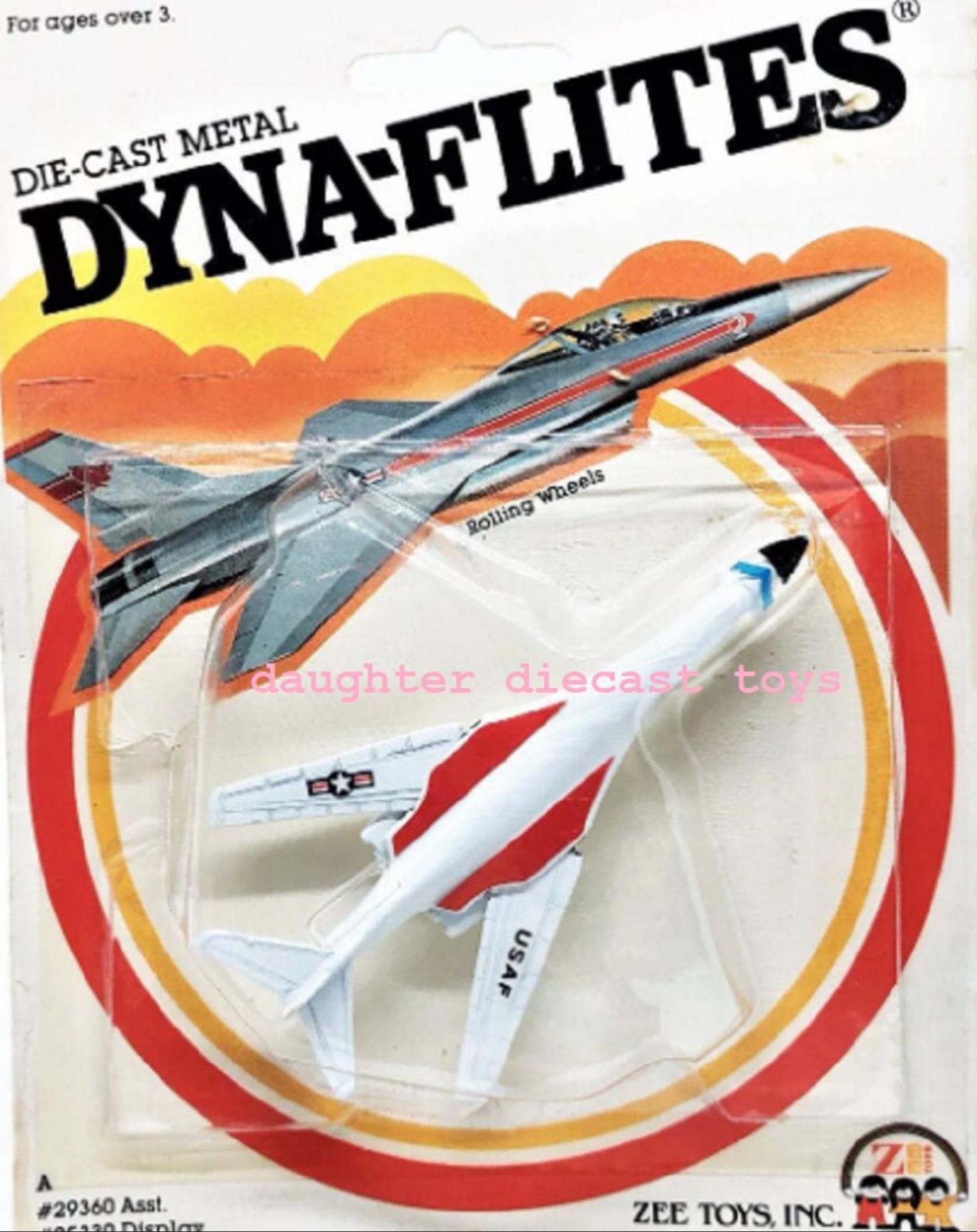
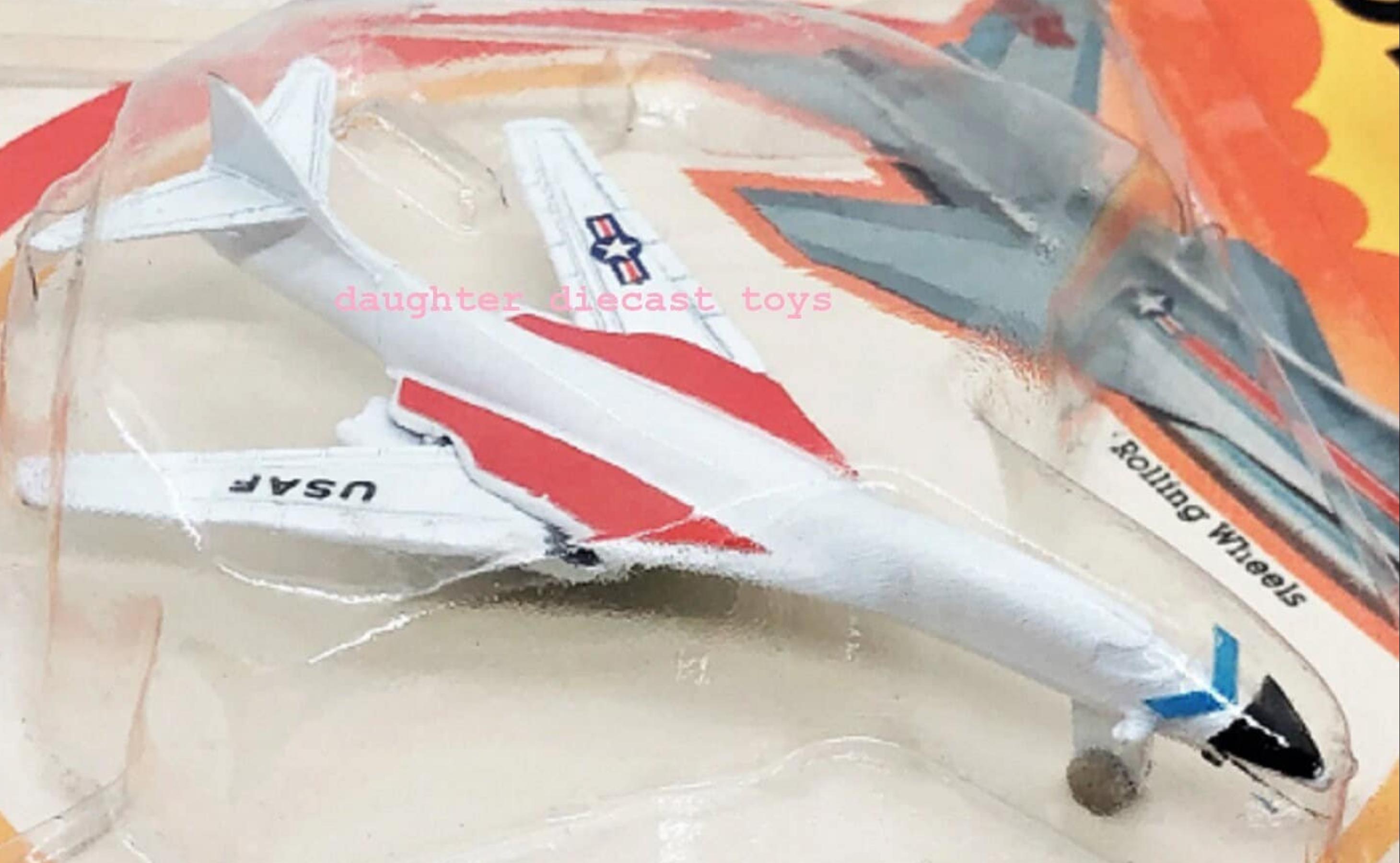
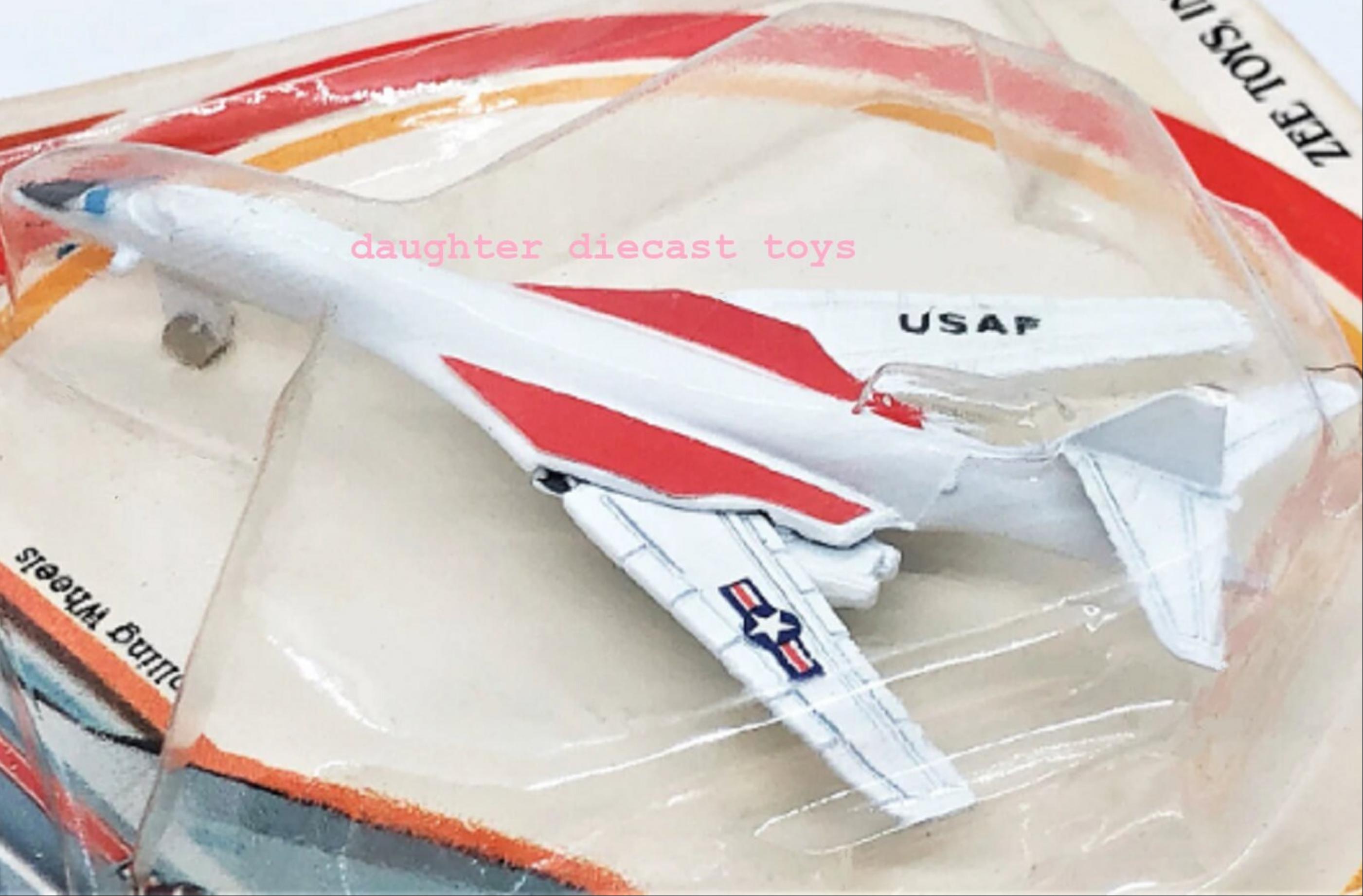

Vintage USAF B1-B LANCER Jet Diecast Metal Airplane Mint Condition/Factory Sealed! Zlymex Zee Toy Perfect gift!
$ 29.99

Vintage USAF B1-B LANCER Jet Diecast Metal Airplane Mint Condition/Factory
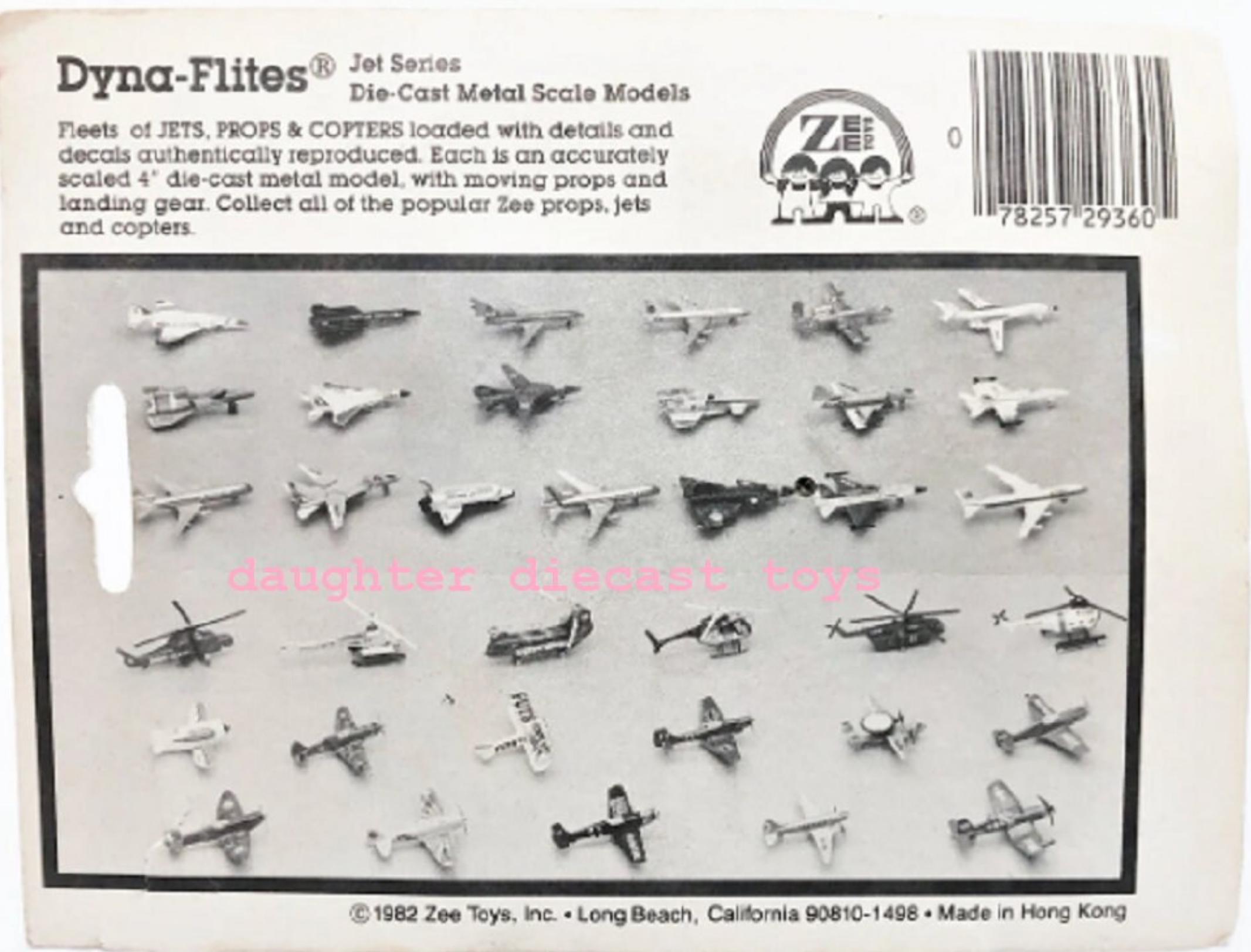
Sealed! Zlymex Zee Toy Perfect gift!Awesome! USAF B1-B LANCER (see bio below). Made by Zee Toys/constructed of die cast metal. Highly sought-after, hard to find vintage model! Measures 4"L x 2 1/2 "W x 1 "H. Beautiful/pristine condition model. Never removed from its factory-sealed card. Perfect gift for ZEE, aircraft, and vintage toy collectors! We ship fast & safe worldwide every day!Note: My dad owned a Diecast toy store for 30 years. I inherited the store inventory when he passed away several years ago. I am (just now) able to bring myself to begin selling his cars-so they can be shared with the world. All pristine and mint condition vintage models will (eventually) be listed here on ETSY. All the inventory is NEW (vintage) merchandise-which was intended for retail sale. Please know-our diecast toys have NEVER been "played-with” we do not sell used, or damaged toys.
•
•
•FOR A LIMITED TIME
•
•
•Purchases totaling $35 and above qualify for FREE shipping to USA! Add more items to your Etsy shopping cart to save $$$.AIRCRAFT BIO:General characteristicsCrew: 4 (Aircraft Commander, Pilot, Offensive Systems Officer, and Defensive Systems Officer) Length: 146 ft (45 m) Wingspan: 137 ft (42 m) Lower wingspan: 79 ft (24 m) swept Height: 34 ft (10 m) Wing area: 1,950 sq ft (181 m2) Airfoil: NACA69-190-2 Empty weight: 192,000 lb (87,090 kg) Gross weight: 326,000 lb (147,871 kg) Max takeoff weight: 477,000 lb (216,364 kg) Powerplant: 4 × General Electric F101-GE-102 afterburning turbofan engines, 17,390 lbf (77.4 kN) thrust each dry, 30,780 lbf (136.9 kN) with afterburnerPerformanceMaximum speed: 721 kn (830 mph, 1,335 km/h) at 40,000 ft (12,000 m), 608 kn (1,126 km/h) at 200–500 ft (61–152 m) Maximum speed: Mach 1.25 Range: 5,100 nmi (5,900 mi, 9,400 km) or 7,600 km with a weapon load of 16,800 kg[162] Combat range: 2,993 nmi (3,444 mi, 5,543 km) Service ceiling: 60,000 ft (18,000 m) Rate of climb: 5,678 ft/min (28.84 m/s) Wing loading: 167 lb/sq ft (820 kg/m2) Thrust/weight: 0.28The Rockwell B-1 Lancer[N 1] is a supersonic variable-sweep wing, heavy bomber used by the United States Air Force. It is commonly called the "Bone" (from "B-One").[1] It is one of three strategic bombers in the U.S. Air Force fleet as of 2020, the other two being the B-2 Spirit and the B-52 Stratofortress.The B-1 was first envisioned in the 1960s as a platform that would combine the Mach 2 speed of the B-58 Hustler with the range and payload of the B-52, and was meant to ultimately replace both bombers. After a long series of studies, Rockwell International (now part of Boeing) won the design contest for what emerged as the B-1A. This version had a top speed of Mach 2.2 at high altitude and the capability of flying for long distances at Mach 0.85 at very low altitudes. The combination of the high cost of the aircraft, the introduction of the AGM-86 cruise missile that flew the same basic profile, and early work on the stealth bomber all significantly affected the need for the B-1. This led to the program being canceled in 1977, after the B-1A prototypes had been built.The program was restarted in 1981, largely as an interim measure due to delays in the B-2 stealth bomber program. This led to a redesign as the B-1B, which differed from the B-1A by having a lower top speed at high altitude of Mach 1.25, but improved low-altitude performance of Mach 0.96. The electronics were also extensively improved, and the airframe was improved to allow takeoff with the maximum possible fuel and weapons load. Deliveries of the B-1B began in 1986 and formally entered service with Strategic Air Command (SAC) as a nuclear bomber that same year. By 1988, all 100 aircraft had been delivered.In the early 1990s, following the Gulf War and concurrent with the disestablishment of SAC and its reassignment to the newly formed Air Combat Command, the B-1B was converted for a conventional bombing role. It first served in combat during Operation Desert Fox in 1998 and again during the NATO action in Kosovo the following year. The B-1B has supported U.S. and NATO military forces in Afghanistan and Iraq. The Air Force had 62 B-1Bs in service as of 2016. The Northrop Grumman B-21 Raider will begin replacing the B-1B after 2025; all B-1s are planned to be retired by 2036.[2]
Sealed! Zlymex Zee Toy Perfect gift!Awesome! USAF B1-B LANCER (see bio below). Made by Zee Toys/constructed of die cast metal. Highly sought-after, hard to find vintage model! Measures 4"L x 2 1/2 "W x 1 "H. Beautiful/pristine condition model. Never removed from its factory-sealed card. Perfect gift for ZEE, aircraft, and vintage toy collectors! We ship fast & safe worldwide every day!Note: My dad owned a Diecast toy store for 30 years. I inherited the store inventory when he passed away several years ago. I am (just now) able to bring myself to begin selling his cars-so they can be shared with the world. All pristine and mint condition vintage models will (eventually) be listed here on ETSY. All the inventory is NEW (vintage) merchandise-which was intended for retail sale. Please know-our diecast toys have NEVER been "played-with” we do not sell used, or damaged toys.
•
•
•FOR A LIMITED TIME
•
•
•Purchases totaling $35 and above qualify for FREE shipping to USA! Add more items to your Etsy shopping cart to save $$$.AIRCRAFT BIO:General characteristicsCrew: 4 (Aircraft Commander, Pilot, Offensive Systems Officer, and Defensive Systems Officer) Length: 146 ft (45 m) Wingspan: 137 ft (42 m) Lower wingspan: 79 ft (24 m) swept Height: 34 ft (10 m) Wing area: 1,950 sq ft (181 m2) Airfoil: NACA69-190-2 Empty weight: 192,000 lb (87,090 kg) Gross weight: 326,000 lb (147,871 kg) Max takeoff weight: 477,000 lb (216,364 kg) Powerplant: 4 × General Electric F101-GE-102 afterburning turbofan engines, 17,390 lbf (77.4 kN) thrust each dry, 30,780 lbf (136.9 kN) with afterburnerPerformanceMaximum speed: 721 kn (830 mph, 1,335 km/h) at 40,000 ft (12,000 m), 608 kn (1,126 km/h) at 200–500 ft (61–152 m) Maximum speed: Mach 1.25 Range: 5,100 nmi (5,900 mi, 9,400 km) or 7,600 km with a weapon load of 16,800 kg[162] Combat range: 2,993 nmi (3,444 mi, 5,543 km) Service ceiling: 60,000 ft (18,000 m) Rate of climb: 5,678 ft/min (28.84 m/s) Wing loading: 167 lb/sq ft (820 kg/m2) Thrust/weight: 0.28The Rockwell B-1 Lancer[N 1] is a supersonic variable-sweep wing, heavy bomber used by the United States Air Force. It is commonly called the "Bone" (from "B-One").[1] It is one of three strategic bombers in the U.S. Air Force fleet as of 2020, the other two being the B-2 Spirit and the B-52 Stratofortress.The B-1 was first envisioned in the 1960s as a platform that would combine the Mach 2 speed of the B-58 Hustler with the range and payload of the B-52, and was meant to ultimately replace both bombers. After a long series of studies, Rockwell International (now part of Boeing) won the design contest for what emerged as the B-1A. This version had a top speed of Mach 2.2 at high altitude and the capability of flying for long distances at Mach 0.85 at very low altitudes. The combination of the high cost of the aircraft, the introduction of the AGM-86 cruise missile that flew the same basic profile, and early work on the stealth bomber all significantly affected the need for the B-1. This led to the program being canceled in 1977, after the B-1A prototypes had been built.The program was restarted in 1981, largely as an interim measure due to delays in the B-2 stealth bomber program. This led to a redesign as the B-1B, which differed from the B-1A by having a lower top speed at high altitude of Mach 1.25, but improved low-altitude performance of Mach 0.96. The electronics were also extensively improved, and the airframe was improved to allow takeoff with the maximum possible fuel and weapons load. Deliveries of the B-1B began in 1986 and formally entered service with Strategic Air Command (SAC) as a nuclear bomber that same year. By 1988, all 100 aircraft had been delivered.In the early 1990s, following the Gulf War and concurrent with the disestablishment of SAC and its reassignment to the newly formed Air Combat Command, the B-1B was converted for a conventional bombing role. It first served in combat during Operation Desert Fox in 1998 and again during the NATO action in Kosovo the following year. The B-1B has supported U.S. and NATO military forces in Afghanistan and Iraq. The Air Force had 62 B-1Bs in service as of 2016. The Northrop Grumman B-21 Raider will begin replacing the B-1B after 2025; all B-1s are planned to be retired by 2036.[2]
Other Products